News

Lowering levels of a protein called FTL1 in the brain may reverse memory loss and help prevent Alzheimer’s disease, a study suggests. The research points to therapies that could ease what scientists describe as the “worst consequences of old age” by targeting a molecular mechanism behind cognitive decline. Ageing takes a heavy toll on the [...]
A three-minute brainwave test can spot Alzheimer's-linked memory problems long before diagnosis, and has now been shown to work in patients' homes. The Fastball EEG test records electrical activity in the brain while participants view images. It identifies memory impairment in people with mild cognitive impairment (MCI), a condition that can lead to Alzheimer’s. Unlike [...]
Artificial sweeteners in yoghurts and fizzy drinks may speed up cognitive decline by 62 per cent, equivalent to ageing the brain by 1.6 years, researchers say. People who consumed the most artificial sweeteners such as aspartame and saccharin showed quicker declines in memory and thinking skills, based on an eight-year study of 12,772 Brazilian civil [...]
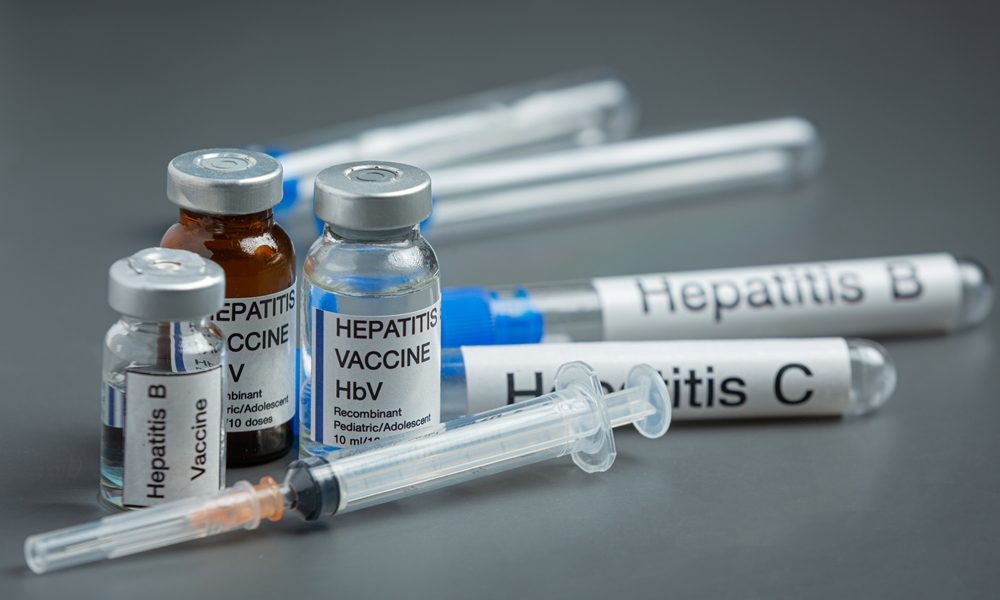
The hepatitis B vaccine appears to reduce the risk of diabetes by 15 per cent, even in people who have never been infected with the virus. The finding suggests the jab’s protective effect goes beyond preventing hepatitis B infection, which can impair the liver’s ability to regulate blood sugar. Researchers analysed health records from more [...]
Some regions of the brain in people with Alzheimer's reorganise more often while at rest than in people without the disease, and in healthy people this frequent reshuffling sometimes predicts who will develop the condition later, according to a new study. The brain's ability to reorganise various regions is called neural flexibility, says Eleanna Varangis, [...]
The shingles vaccine could lower the risk of heart attack or stroke by up to 20 per cent, according to the first global study of its kind. The jab was linked to an 18 per cent lower risk of stroke or heart attack in adults aged 18 and above, with a 16 per cent reduction [...]
Age Tech World explores the latest business developments in the world of ageing and longevity. Grant to advance groundbreaking mitochondrial biomarker research Countdown For A Cure, a foundation dedicated to accelerating mitochondrial research and medicine, has announced a US$350,000 grant to Minovia Therapeutics, a clinical-stage company pioneering mitochondrial transplantation technologies. The funding will support Minovia’s [...]
A £29.6m government-backed facility in Darlington will accelerate RNA therapies that could help tackle cancer, heart disease, infectious diseases and other conditions. The UK RNA Biofoundry will help scientists and businesses move research from lab to market more quickly, providing a specialised site to manufacture clinical-grade RNA materials. RNA therapies work by reprogramming immune or [...]
Tailored exercise programmes, vitamin D supplements and better nutrition are proven to help prevent falls in aged care homes, new research has found. A major international review led by Flinders University and published by the Cochrane Collaboration analysed data from 104 clinical trials involving nearly 69,000 older people living in care facilities across 25 countries [...]
A new study has found that blood pressure synchronises to predictable phrase structures in music. Blood pressure was more affected by loudness than tempo and was more strongly influenced by phrase structures that were more predictable. The researchers say the research finding could help to inform personalised music based cardiovascular therapies for those with high [...]