Better nutrition and tailored exercise programmes key to preventing care home falls
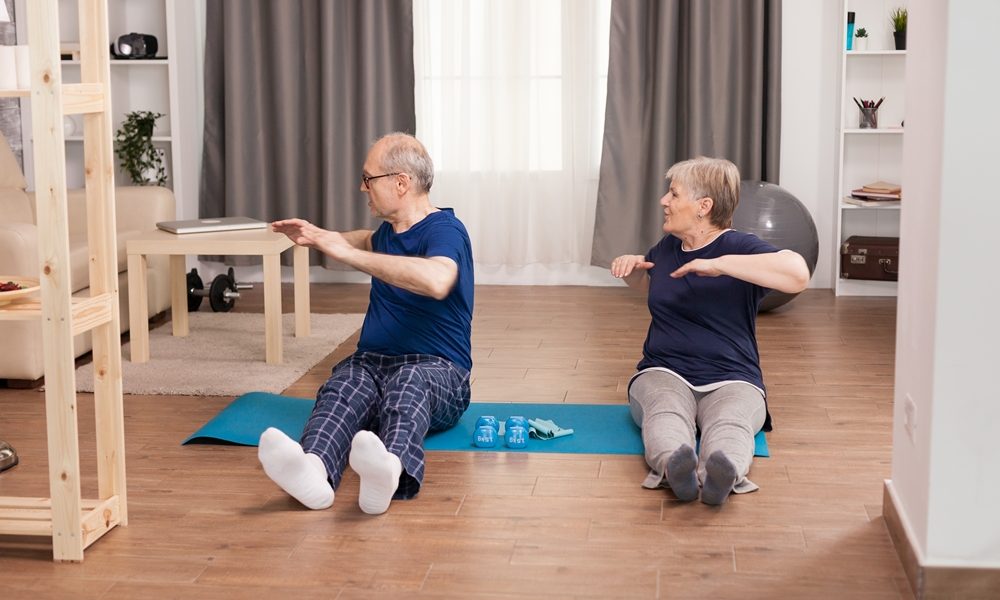
Tailored exercise programmes, vitamin D supplements and better nutrition are proven to help prevent falls in aged care homes, new research has found.
A major international review led by Flinders University and published by the Cochrane Collaboration analysed data from 104 clinical trials involving nearly 69,000 older people living in care facilities across 25 countries to explore how to reduce falls.
Lead author Dr Suzanne Dyer said that it is the most comprehensive study of its kind and offers clear guidance for aged care providers, families, and policymakers.
Dr Dyer said: “Falls are one of the most common and serious health risks facing older Australians, they can lead to broken bones, hospital stays, and a loss of independence.
Dr Jenni Suen, another author of the review said: “Our findings show that preventing falls isn’t about a one-size-fits-all solution but there are some simple, easily deployed and targeted ways to make a real difference in reducing falls.”
The study found the most effective approaches to prevent falls in aged care homes were those tailored to each resident’s needs and delivered with strong support from aged care staff, but that exercise and nutrition were common themes.
“One of the most effective strategies was regular, supervised exercise, which reduced falls even in residents with cognitive impairments, like dementia,” said Dr Suen.
“We found that this type of exercise, especially when done consistently, and in groups or for more than an hour a week, were shown to reduce the number of falls.”
Many older people in care have low vitamin D levels, which can affect muscle strength, and the addition of vitamin D supplements proved helpful in reducing the overall number of falls.
Nutrition also played a role with an increase in dairy servings that were high in calcium to strengthen bones resulting in fewer falls and fractures.
Dr Dyer said: By adding more calcium and protein-rich foods like milk, cheese, and yoghurt, aged care homes were able to improve residents’ bone health and stability”.
The study found that giving each resident an environmental assessment, medication review, and an exercise plan based on their individual needs, delivered with strong staff engagement significantly reduced falls.
“As part of our research, we wanted to see what types of programs weren’t working as effectively in preventing falls,” says Dr Dyer.
“Programmes such as improving medication use (deprescribing or reviewing prescriptions) and staff training, and changes to care models on their own didn’t consistently reduce falls.
“We now have strong evidence that some approaches work better than others,” she added.
The researcher concluded: “Tailored exercise programmes, vitamin D supplements, and better nutrition can make a real difference.
“With the right mix of strategies, it’s possible to reduce risks and help older people in care stay safer and more independent.”