News

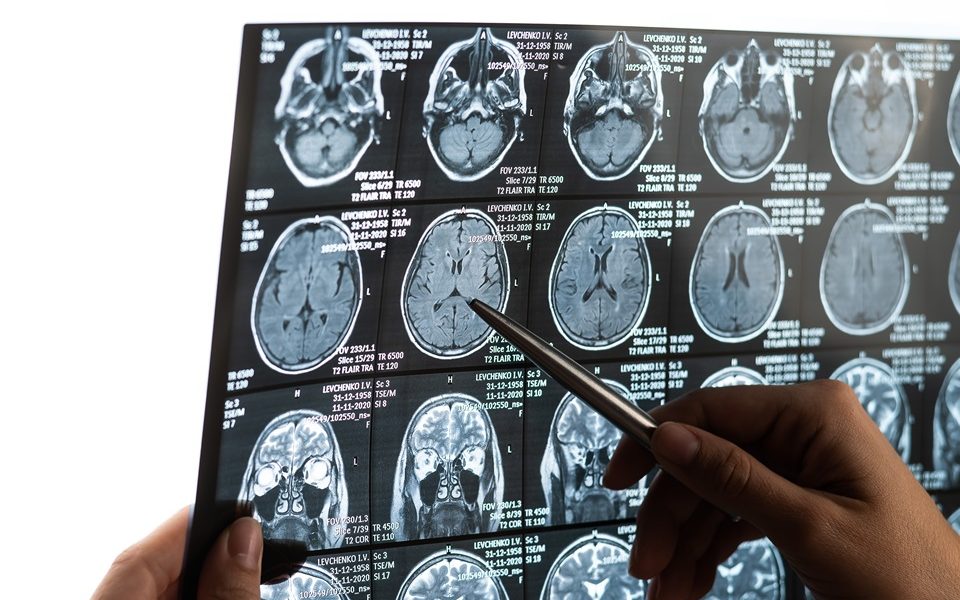
High levels of iron in the brain could act as an early warning sign for Alzheimer’s disease, with scans showing links to later cognitive decline, new research has revaled. Excess iron can boost brain toxins and drive nerve cell damage, particularly when combined with amyloid and tau - proteins that disrupt communication between brain cells [...]
Oxford scientists have developed a connected 'multi-organoid' model that replicates how immune cells respond to heart injury, offering a new way to test treatments. The lab-grown system shows how immune cells react to cardiac damage in a dish. This fills a major gap in heart research, as the human heart cannot regenerate and patient biopsies [...]
The odds of developing dementia double with one psychiatric disorder and rise to 11 times higher with four or more, new research has revealed. The study tracked 3,688 patients aged 45 and over diagnosed with one or more common psychiatric disorders – depression, anxiety, psychosis, substance misuse, personality disorder and bipolar disorder – and assessed [...]
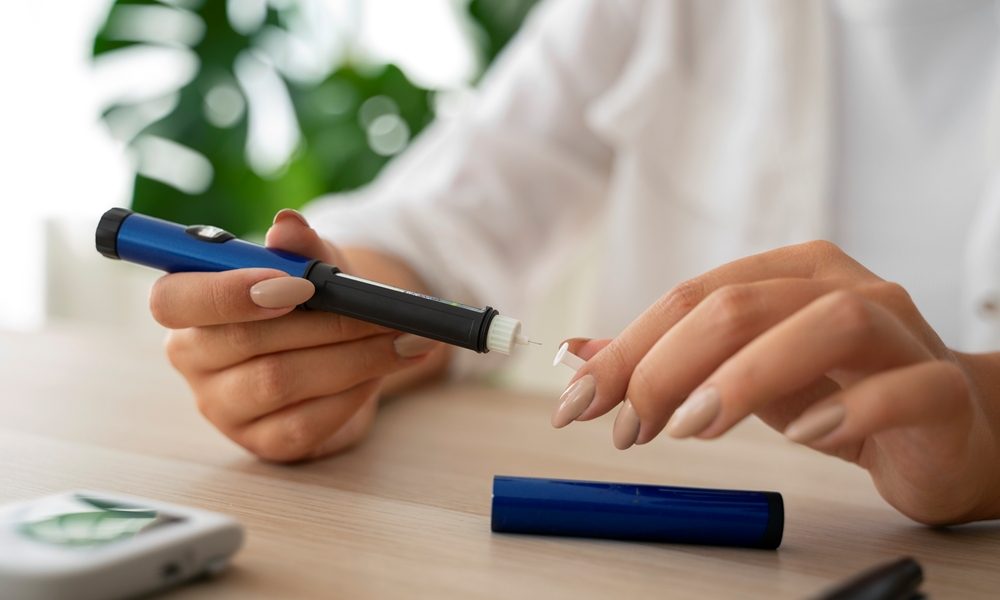
Forty-four per cent of adults aged 15 and over with diabetes do not know they have it, according to a new global data analysis. The study reviewed data from 204 countries and territories between 2000 and 2023. It found younger adults were least likely to be diagnosed, with only 20 per cent of young adults [...]
Doctors have launched a clinical trial of a £100 blood test for Alzheimer's, aiming to speed up diagnosis of the condition within the NHS. More than 1,000 patients with suspected dementia are being recruited from memory clinics across the UK to test whether the approach provides quicker and more reliable results, and improves care for [...]
More children worldwide are now obese than underweight, with junk food reportedly to blame. Ultra-processed foods are driving the change, with 188 million school-age children and teenagers living with obesity – one in 10 globally – according to new UN figures warning of future disease risks. The data show that 9.4 per cent of five [...]
People who see smiles in neutral or negative faces may be showing early dementia signs, with brain scans linking this bias to cognitive decline. Around 944,000 people in the UK live with dementia, and experts predict the number will pass one million by the end of the decade. Alzheimer’s is the most common form of [...]
NHS drones could soon deliver defibrillators to cardiac arrest patients more quickly than ambulances, with trials showing they may cut response times in rural areas. Researchers at the University of Warwick tested a drone delivery system in countryside locations. Backed by the National Institute of Health and Care Research, the trial found drones could deliver [...]
Fine-particle air pollution can trigger toxic brain protein clumps that drive Lewy body dementia, researchers say. The particles, known as PM2.5, cause proteins in the brain to misfold into clumps that damage nerve cells. These clumps are a hallmark of Lewy body dementia – the third most common type of dementia after Alzheimer’s and vascular [...]
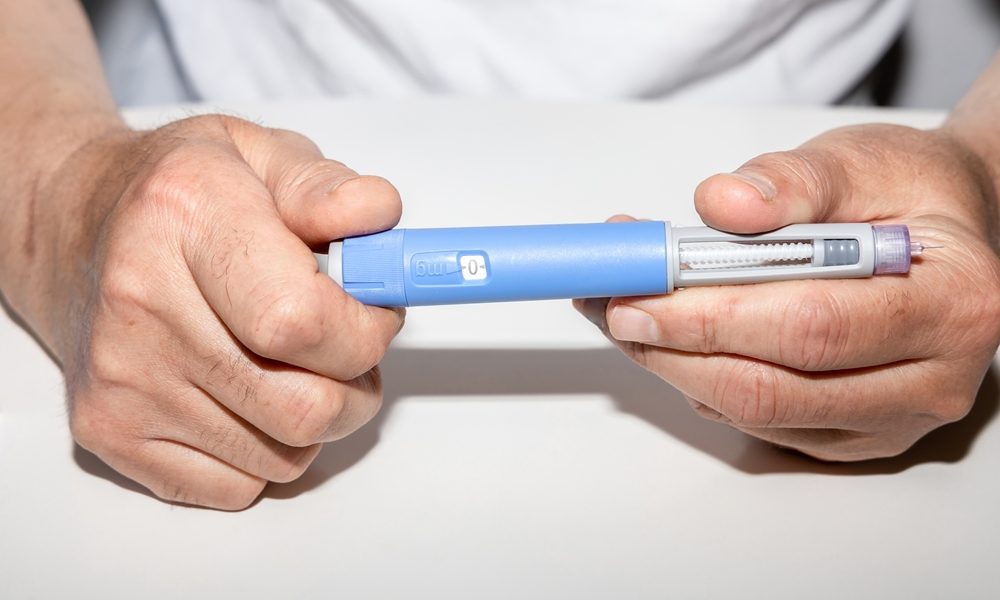
Thousands of patients in England are unable to access NHS weight loss jabs, with fewer than half of local commissioning bodies prescribing Mounjaro. Only 18 of the 42 integrated care boards (ICBs) have started prescribing the drug, two months after GPs were cleared to offer it on the NHS to 220,000 patients with “greatest need” [...]