Hep B vaccine may lower diabetes risk, study suggests
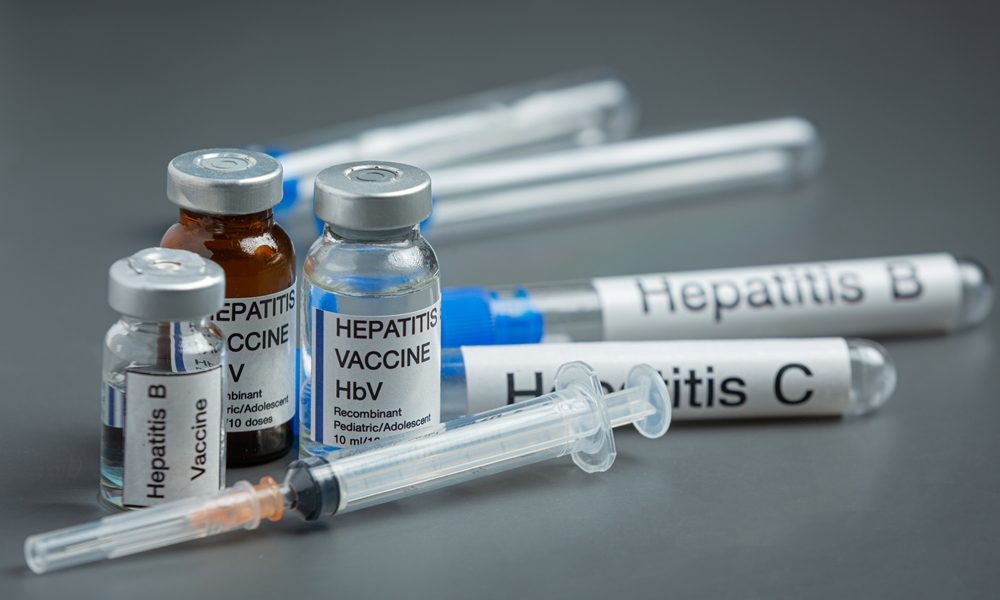
The hepatitis B vaccine appears to reduce the risk of diabetes by 15 per cent, even in people who have never been infected with the virus.
The finding suggests the jab’s protective effect goes beyond preventing hepatitis B infection, which can impair the liver’s ability to regulate blood sugar.
Researchers analysed health records from more than 580,000 people in the US, Europe, Africa, Latin America, the Middle East and Asia-Pacific.
Vaccinated participants were less likely to develop diabetes, defined as receiving a diagnosis, persistently high blood sugar or being prescribed diabetes drugs.
A team from Taipei Medical University in Taiwan reviewed records spanning almost four years between 2005 and 2023.
None of the participants, aged 18 to 90, had diabetes or hepatitis B infection at the start.
About half had received the hepatitis B vaccine, confirmed through virus-specific antibodies in their blood. Most diabetes cases identified were type 2 – the common form in which the body does not produce enough insulin or cells fail to respond properly to it.
The team also found a dose-response effect. Those with higher hepatitis B antibody levels were less likely to develop diabetes than those with lower levels.
Antibody levels may reflect how many vaccine doses had been given, how recently people were immunised, or general variation in immune responses.
Nhu-Quynh Phan, who led the research, said the mechanism could involve reducing chronic inflammation that harms the liver and pancreas, which release hormones including insulin to control blood sugar.
However, she added the protective effect may still partly come from preventing infection.
“People who get vaccinated are generally people who are more conscious about living a healthy life,” added Albert Osterhaus of the University of Veterinary Medicine Hannover in Germany, noting that lifestyle factors could still play a role.
The researchers adjusted for age, sex, smoking, obesity and high blood pressure, though Osterhaus said such influences cannot be ruled out entirely.
The hepatitis B vaccine is routinely offered to infants in most countries, usually as three doses.
In the US, it became part of the national programme in 1991, but by 2018 only about 30 per cent of adults had full coverage.
Earlier studies suggested the vaccine may reduce diabetes risk, possibly because hepatitis B infection can damage the liver’s ability to store sugar, raising the risk of persistently high blood sugar.
This study is the first to assess whether the jab might cut diabetes risk in people without hepatitis B infection, suggesting an effect beyond infection prevention.