Latest News

More children worldwide are now obese than underweight, with junk food reportedly to blame. Ultra-processed foods are driving the change, with 188 million school-age children and teenagers living with obesity – one in 10 globally – according to new UN figures warning of future disease risks. The data show that 9.4 per cent of five [...]
People who see smiles in neutral or negative faces may be showing early dementia signs, with brain scans linking this bias to cognitive decline. Around 944,000 people in the UK live with dementia, and experts predict the number will pass one million by the end of the decade. Alzheimer’s is the most common form of [...]
NHS drones could soon deliver defibrillators to cardiac arrest patients more quickly than ambulances, with trials showing they may cut response times in rural areas. Researchers at the University of Warwick tested a drone delivery system in countryside locations. Backed by the National Institute of Health and Care Research, the trial found drones could deliver [...]
Fine-particle air pollution can trigger toxic brain protein clumps that drive Lewy body dementia, researchers say. The particles, known as PM2.5, cause proteins in the brain to misfold into clumps that damage nerve cells. These clumps are a hallmark of Lewy body dementia – the third most common type of dementia after Alzheimer’s and vascular [...]
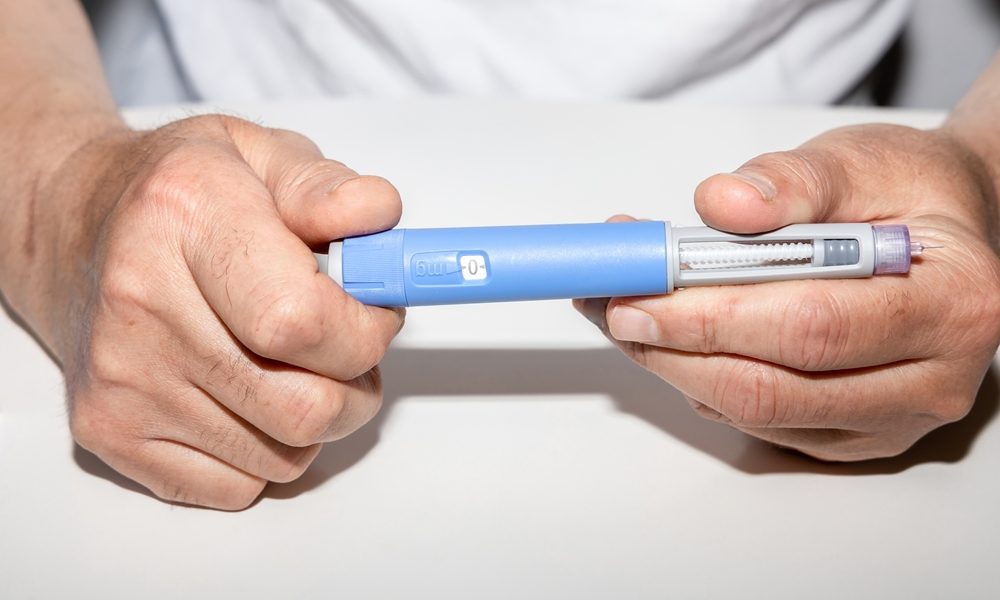
Thousands of patients in England are unable to access NHS weight loss jabs, with fewer than half of local commissioning bodies prescribing Mounjaro. Only 18 of the 42 integrated care boards (ICBs) have started prescribing the drug, two months after GPs were cleared to offer it on the NHS to 220,000 patients with “greatest need” [...]
Lowering levels of a protein called FTL1 in the brain may reverse memory loss and help prevent Alzheimer’s disease, a study suggests. The research points to therapies that could ease what scientists describe as the “worst consequences of old age” by targeting a molecular mechanism behind cognitive decline. Ageing takes a heavy toll on the [...]
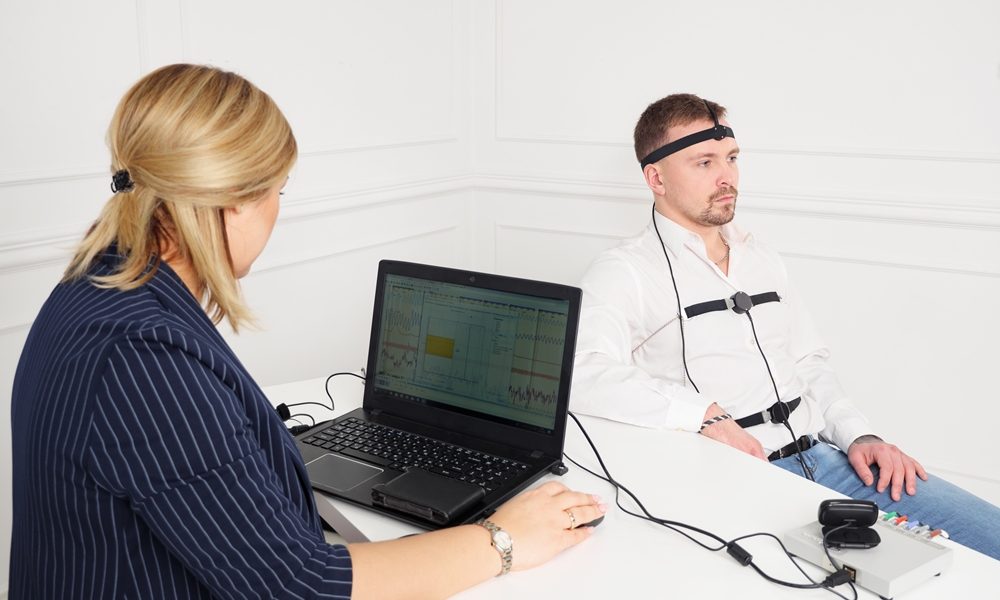
A three-minute brainwave test can spot Alzheimer's-linked memory problems long before diagnosis, and has now been shown to work in patients' homes. The Fastball EEG test records electrical activity in the brain while participants view images. It identifies memory impairment in people with mild cognitive impairment (MCI), a condition that can lead to Alzheimer’s. Unlike [...]
Artificial sweeteners in yoghurts and fizzy drinks may speed up cognitive decline by 62 per cent, equivalent to ageing the brain by 1.6 years, researchers say. People who consumed the most artificial sweeteners such as aspartame and saccharin showed quicker declines in memory and thinking skills, based on an eight-year study of 12,772 Brazilian civil [...]
The hepatitis B vaccine appears to reduce the risk of diabetes by 15 per cent, even in people who have never been infected with the virus. The finding suggests the jab’s protective effect goes beyond preventing hepatitis B infection, which can impair the liver’s ability to regulate blood sugar. Researchers analysed health records from more [...]
Some regions of the brain in people with Alzheimer's reorganise more often while at rest than in people without the disease, and in healthy people this frequent reshuffling sometimes predicts who will develop the condition later, according to a new study. The brain's ability to reorganise various regions is called neural flexibility, says Eleanna Varangis, [...]