Latest News

Nearly a quarter of NHS dementia service staff say they cannot provide patients with the best care, while fewer than a third believe diagnostic processes work. Workers are “being let down by a system that isn’t keeping pace with the scale of the challenge”, says a new survey raising concerns about dementia services across the [...]
Jumping may help protect ageing bones and cut fracture risks, with research showing short daily routines can strengthen bone density in adults. High-impact exercise strengthens bones, which weaken as the body’s rate of bone formation slows with age. Regular jumping can raise bone density – the level of calcium and other minerals that indicates bone [...]
An international team has secured around £500k to advance a therapy that could halt multiple sclerosis progression, repair nerve damage and potentially restore lost functions. The treatment targets excitotoxicity – a destructive process that kills nerve cells in MS. By blocking this without disrupting normal brain activity, the compound promotes repair of myelin, the protective [...]
Age Tech World explores the latest developments in the world of ageing and longevity. First AI-Powered personalised mobile app for brain health and longevity Digital health company Tolion Health has announced the beta release of its flagship product, the Tolion Brain Coach mobile application. This beta release offers early access to Tolion AI Engine, designed [...]
Half of adults without diabetes who begin taking the weight-loss drug semaglutide stop within a year, according to a Danish population-wide study. The research tracked 77,310 first-time users in Denmark between December 2022 and October 2023. More than half (40,262; median age 50 years, 72 per cent women) had discontinued after 12 months. At three, [...]
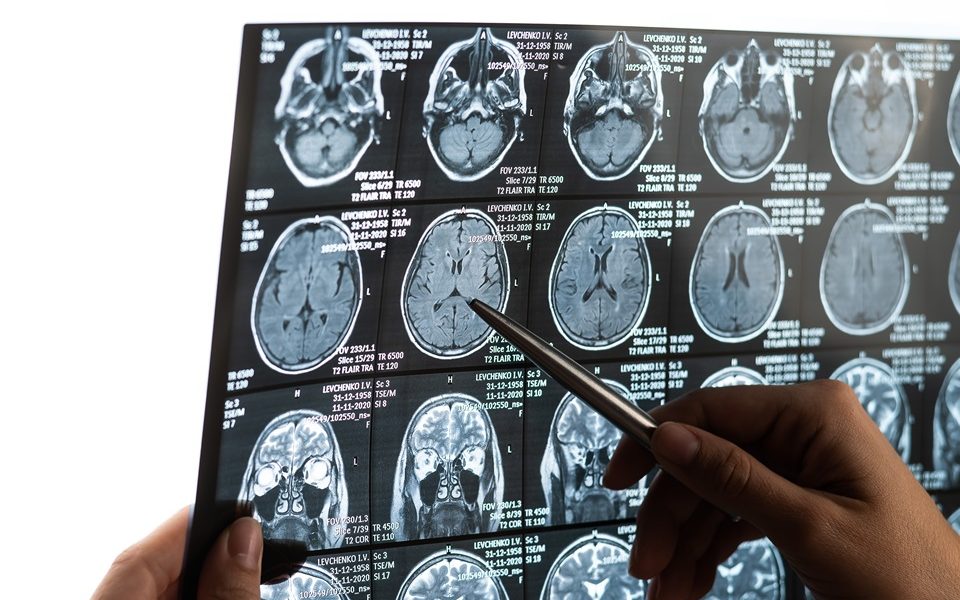
High levels of iron in the brain could act as an early warning sign for Alzheimer’s disease, with scans showing links to later cognitive decline, new research has revaled. Excess iron can boost brain toxins and drive nerve cell damage, particularly when combined with amyloid and tau - proteins that disrupt communication between brain cells [...]
Oxford scientists have developed a connected 'multi-organoid' model that replicates how immune cells respond to heart injury, offering a new way to test treatments. The lab-grown system shows how immune cells react to cardiac damage in a dish. This fills a major gap in heart research, as the human heart cannot regenerate and patient biopsies [...]
The odds of developing dementia double with one psychiatric disorder and rise to 11 times higher with four or more, new research has revealed. The study tracked 3,688 patients aged 45 and over diagnosed with one or more common psychiatric disorders – depression, anxiety, psychosis, substance misuse, personality disorder and bipolar disorder – and assessed [...]
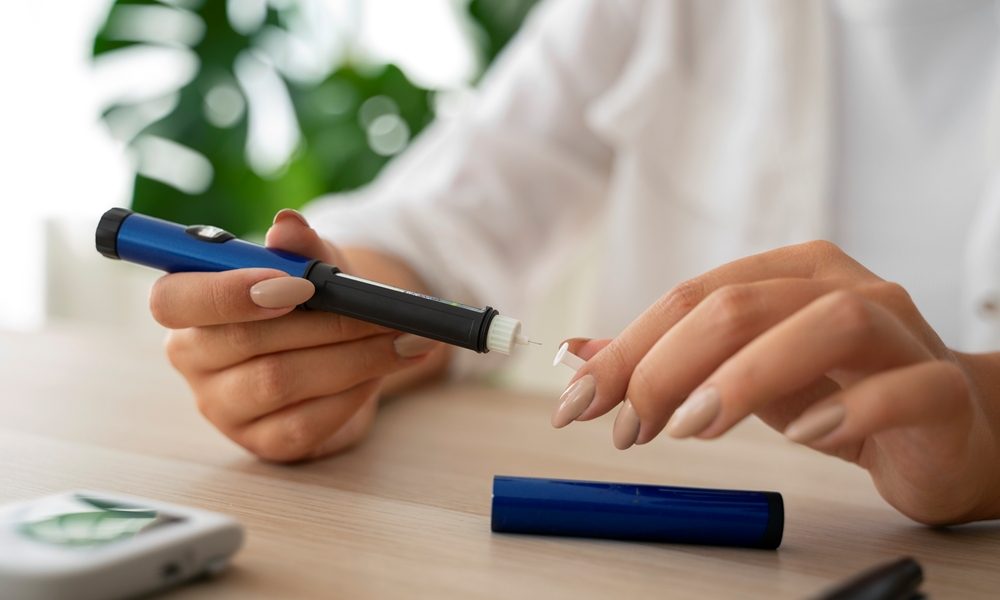
Forty-four per cent of adults aged 15 and over with diabetes do not know they have it, according to a new global data analysis. The study reviewed data from 204 countries and territories between 2000 and 2023. It found younger adults were least likely to be diagnosed, with only 20 per cent of young adults [...]
Doctors have launched a clinical trial of a £100 blood test for Alzheimer's, aiming to speed up diagnosis of the condition within the NHS. More than 1,000 patients with suspected dementia are being recruited from memory clinics across the UK to test whether the approach provides quicker and more reliable results, and improves care for [...]