Researchers uncover potential new early warning sign for Alzheimer’s
High levels of iron in the brain could act as an early warning sign for Alzheimer’s disease, with scans showing links to later cognitive decline, new research has revaled.
Excess iron can boost brain toxins and drive nerve cell damage, particularly when combined with amyloid and tau – proteins that disrupt communication between brain cells and are hallmarks of Alzheimer’s.
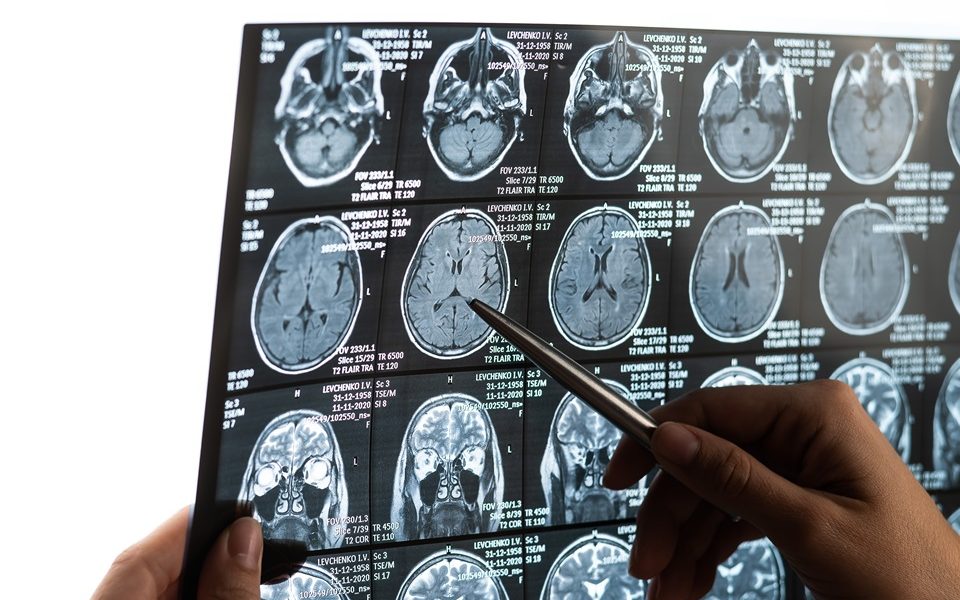
A type of MRI scan called quantitative susceptibility mapping (QSM) measures iron with precision and may provide a non-invasive, cheaper alternative to PET scans for assessing dementia risk.
Researchers at Johns Hopkins University tested the method on 158 cognitively healthy people over a seven-and-a-half-year follow-up.
They found that higher iron levels in two key areas – the entorhinal cortex and putamen, both important for memory and learning – were linked to a two- to fourfold greater risk of mild cognitive impairment (MCI), often a precursor to Alzheimer’s.
Xu Li, associate professor of radiology at Johns Hopkins University in Baltimore, said: “QSM is an advanced MRI technique developed over the last decade to measure tissue magnetic susceptibility with good precision.
“QSM can detect small differences in iron levels across different brain regions, providing a reliable and non-invasive way to map and quantify iron in patients, which is not possible with conventional MR approaches.”
The researchers found that iron changes could be detected years before memory loss began, while participants were still cognitively normal.
Li said: “The key takeaway of our study is that higher brain iron levels, especially in some critical brain regions related to memory and learning (entorhinal cortex and putamen, as shown in our study), are linked to a two to four times higher risk of developing MCI and faster cognitive decline.
“Using QSM, we found higher brain iron in some memory-related regions that are linked to a higher risk of developing cognitive impairment and faster cognitive decline. This risk is even higher when the participants have higher levels of amyloid pathologies.”
The study had limitations: the group was relatively small and made up mainly of white, well-educated people with a strong family history of Alzheimer’s.
If confirmed in larger, more diverse cohorts, the findings could support the wider use of QSM scans for people at risk of dementia.
Li said: “I think we should be hopeful.
“We can use this kind of tool to help identify patients at higher risk of developing Alzheimer’s disease and potentially guide early interventions as new treatments become available.
“Also, besides serving as a biomarker, brain iron may become a future therapeutic target.”
The team aims to make QSM more standardised, quicker and widely accessible in clinical settings.