Connect with us

News

‘MIND’ diet may lower risk of memory problems later in life

Published

on

People whose diet more closely resembles the MIND diet may have a lower risk of cognitive impairment, according to a study published in the journal Neurology.

Results were similar for Black and white participants. These results do not prove that the MIND diet prevents cognitive impairment, they only show an association.

The MIND diet is a combination of the Mediterranean and DASH diets.

It includes green leafy vegetables like spinach, kale and collard greens along with other vegetables. It recommends whole grains, olive oil, poultry, fish, beans and nuts.

It prioritises berries over other fruits and recommends one or more servings of fish per week.

Russell P. Sawyer, MD, of the University of Cincinnati in Ohio and member of the American Academy of Neurology, is the study’s author.

He said: “With the number of people with dementia increasing with the aging population, it’s critical to find changes that we can make to delay or slow down the development of cognitive problems.

“We were especially interested to see whether diet affects the risk of cognitive impairment in both Black and white study participants.”

The study involved 14,145 people with an average age of 64. Of participants, 70 per cent were white and 30 per cent were Black. They were followed for an average of 10 years.

Participants filled out a questionnaire on their diet over the past year. Researchers looked at how closely the foods people were eating matched the MIND diet.

One point was given for each of the following: three or more daily servings of whole grains; six or more weekly servings of green leafy vegetables; one or more daily servings of other vegetables; two or more weekly servings of berries; one or more weekly servings of fish; two or more weekly servings of poultry; three weekly servings of beans; five daily servings of nuts; four or fewer weekly servings of red meat; one or fewer weekly servings of fast or fried foods; one or more weekly servings of olive oil; and one or fewer tablespoons of butter or margarine daily; five or fewer weekly servings of pastries and sweets; and one glass per day of wine. The total points possible was 12.

Researchers then divided participants into three groups.

he low group had an average diet score of five, the middle group had an average score of seven and the high group had an average score of nine.

Thinking and memory skills were measured at the beginning and end of the study.

During the study, cognitive impairment developed in 532 people, or 12 per cent of 4,456 people in the low diet group; in 617 people, or 11 per cent of 5,602 people in the middle group; and in 402 people, or 10% of the 4,086 people in the high group.

After adjusting for factors such as age, high blood pressure and diabetes, researchers found people in the high group had a 4 per cent decreased risk of cognitive impairment compared to those in the low group.

When looking at male and female participants, researchers found a 6 per cent decreased risk of cognitive impairment for female participants who most closely followed the diet but no decreased risk for male participants.

Researchers also looked at how quickly people’s thinking skills declined as they developed problems.

They found that people who more closely followed the MIND diet declined more slowly than those who did not, and that association was stronger in Black participants than in white participants.

Sawyer said:’ “These findings warrant further study, especially to examine these varying impacts among men and women and Black and white people, but it’s exciting to consider that people could make some simple changes to their diet and potentially reduce or delay their risk of cognitive issues.”

A limitation of the study was it included only older Black and white people so results may not be the same for other populations.

News

Shingles vaccine may slow biological ageing in older adults

Published

on

Shingles vaccination may slow biological ageing in older adults, research suggests.

The study examined more than 3,800 people aged 70 and older and found that those who received the vaccine showed slower biological ageing on average than unvaccinated individuals.

The study used data from a nationally representative US survey to assess how shingles vaccination related to several measures of biological ageing.

Even when controlling for other sociodemographic and health variables, vaccinated individuals had lower inflammation measurements, slower epigenetic ageing (changes in how genes are switched on or off) and slower transcriptomic ageing (changes in how genes are transcribed into RNA used to create proteins).

The research was carried out at the USC Leonard Davis School of Gerontology, using data from the US Health and Retirement Study.

Shingles, also called herpes zoster, is a painful, blistering skin rash caused by reactivation of the chickenpox virus. Anyone who has had chickenpox is at risk of shingles. While shingles can occur at younger ages, risk is higher for those 50 and older and for immunocompromised people. Vaccination offers protection from shingles and lowers the chance of postherpetic neuralgia, or long-term pain after infection.

While vaccines are designed to protect against acute infection, recent research has highlighted a possible link between adult vaccines, including those for shingles and influenza, and lower risks of dementia and other neurodegenerative disorders, said research associate professor of gerontology Jung Ki Kim, the study’s first author.

“This study adds to emerging evidence that vaccines could play a role in promoting healthy ageing by modulating biological systems beyond infection prevention.”

Biological ageing refers to how the body changes over time, including how well organs and systems are working, unlike chronological ageing, which is simply time passing. Two people who are both 65 years old may look very different inside: one may have the biological profile of someone younger, while another may show signs of ageing earlier.

Kim and coauthor Eileen Crimmins, USC university professor and AARP professor of gerontology, measured seven aspects of biological ageing: inflammation, innate immunity (the body’s general defences against infection), adaptive immunity (responses to specific pathogens after exposure or vaccination), cardiovascular haemodynamics (blood flow), neurodegeneration, epigenetic ageing and transcriptomic ageing. The team also used the measures collectively to record a composite biological ageing score.

Chronic, low-level inflammation is a contributor to many age-related conditions, including heart disease, frailty and cognitive decline. This phenomenon is known as inflammaging, Kim said.

“By helping to reduce this background inflammation, possibly by preventing reactivation of the virus that causes shingles, the vaccine may play a role in supporting healthier ageing. While the exact biological mechanisms remain to be understood, the potential for vaccination to reduce inflammation makes it a promising addition to broader strategies aimed at promoting resilience and slowing age-related decline.”

The effect may persist. When analysing how time since vaccination related to results, Kim and Crimmins found that participants who received their vaccine four or more years before providing their blood sample still showed slower epigenetic, transcriptomic and overall biological ageing on average than unvaccinated participants.

“These findings indicate that shingles vaccination influences key domains linked to the ageing process. While further research is needed to replicate and extend these findings, especially using longitudinal and experimental designs, our study adds to a growing body of work suggesting that vaccines may play a role in healthy ageing strategies beyond solely preventing acute illness.

The work was supported by the National Institute on Aging at the National Institutes of Health. The Health and Retirement Study is supported by the National Institute on Aging.

Continue Reading

Wellness

Thousands of men in England to be offered life-extending prostate cancer drug

Published

on

Thousands of men in England will get the prostate cancer drug abiraterone on the NHS within weeks.

For the first time, patients in England whose cancer has not spread will be able to receive abiraterone as the health service widens access to the treatment.

Around 2,000 men diagnosed in the last three months whose cancer has not spread will get access to the treatment if it is of clinical benefit.

An additional 7,000 men are expected to be diagnosed each year and will be eligible for the drug.

The national clinical director for cancer at NHS England, professor Peter Johnson, said: “For thousands of men with prostate cancer, this treatment option could be life-changing by helping keep their cancer at bay for several years.

“The life-extending treatment available on the NHS within weeks will mean thousands of men can kick-start their year with the news that they will have a better chance of living longer and healthier lives.

“The NHS will continue to work hard to offer people the most effective and evidence-based treatments, with several new prostate cancer drugs rolled over the last five years.”

Abiraterone is a hormone-blocking tablet that helps stop prostate cancer spreading by cutting off the testosterone it needs to grow.

Research has shown that for these earlier-stage patients, survival after six years is improved, with trials showing 86 per cent of men alive after six years on abiraterone compared with 77 per cent on standard treatment (hormone therapy with or without radiotherapy).

NHS England has been able to expand access to the drug for thousands more eligible patients by securing better-value supply, following clinical advice to roll this out last year.

The NHS has set a target to save over £1bn on clinically effective biosimilar drugs during this parliament. Biosimilars are approved, lower-cost versions of biological medicines.

More than eight in 10 drugs the NHS now prescribes are lower-cost biosimilar or generic medicines, creating funding for other treatments.

The NHS in England already commissions abiraterone, now available as a lower-cost generic medicine, for advanced prostate cancer, having introduced a policy to commission the treatment in December 2024, nearly one year ahead of positive NICE guidance recommending it in November 2025.

NHS England has worked with campaigners including Prostate Cancer UK to secure this rollout.

In the past five years alone, the NHS in England has also commissioned targeted prostate cancer therapies, including the branded drugs enzalutamide, darolutamide, relugolix and apalutamide.

The health and social care secretary, Wes Streeting, said: “When you’re living with prostate cancer, every day with your loved ones matters.

“I’m delighted the NHS have taken the steps needed to make the drug available, giving thousands of men access to abiraterone, a treatment that significantly improves survival rates and can give patients precious extra years of life.

“We’re backing the best clinical evidence, making smart funding decisions, and ensuring patients get the care they need when they need it most.

“We’re serious about improving prostate cancer outcomes, treating it faster and giving loved ones more time together.”

In parallel with confirming abiraterone’s commissioning, NHS England will also offer blood plasma treatment for people with the rare condition Clarkson’s Syndrome, and genetic testing for parents with pre-existing conditions going through IVF, following clinical advice and enabled by long-term funding.

Continue Reading

News

Blood sugar spike after meals may increase Alzheimer’s risk

Published

on

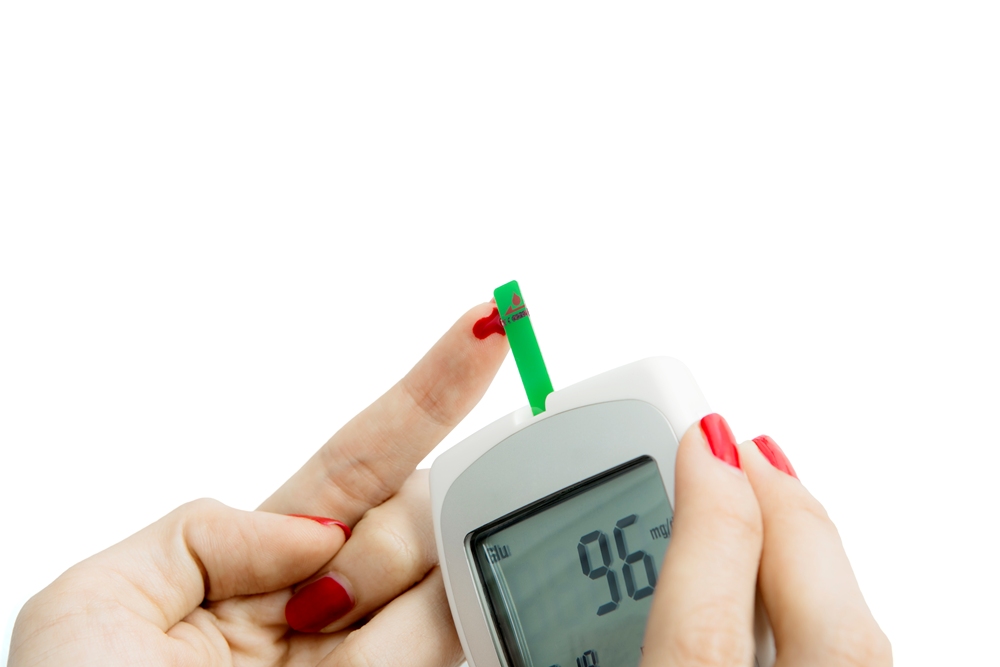
Sharp rises in blood sugar after meals may raise Alzheimer’s risk, according to genetic analysis of more than 350,000 adults.

The findings point to after-meal glucose, rather than overall blood sugar, as a possible factor in long-term brain health.

Researchers examined genetic and health data from over 350,000 UK Biobank participants aged 40 to 69, focusing on fasting glucose, insulin, and blood sugar measured two hours after eating.

The team used Mendelian randomisation, a genetic method that helps test whether biological traits may play a direct role in disease risk.

People with higher after-meal glucose had a 69 per cent higher risk of Alzheimer’s disease.

This pattern, known as postprandial hyperglycaemia (elevated blood sugar after eating), stood out as a key factor.

The increased risk was not explained by overall brain shrinkage (atrophy) or white matter damage, suggesting after-meal glucose may affect the brain through other pathways not yet fully understood.

Dr Andrew Mason, lead author, said: “This finding could help shape future prevention strategies, highlighting the importance of managing blood sugar not just overall, but specifically after meals.”

Dr Vicky Garfield, senior author, added: “We first need to replicate these results in other populations and ancestries to confirm the link and better understand the underlying biology.

“If validated, the study could pave the way for new approaches to reduce dementia risk in people with diabetes.”

Continue Reading

Trending

Agetech World