Latest News

Older adults often don’t realise how vulnerable they are to extreme heat and most aren’t prepared for long periods of hot weather, according to a review of more than 40 studies. In the review, researchers found that most studies focused on how older adults react when heat waves strike, such as staying hydrated or moving [...]
Eating animal-sourced protein foods is not linked to a higher risk of death and may even offer protective benefits against cancer-related mortality, new research has found The study analysed data from nearly 16,000 adults aged 19 and older using the National Health and Nutrition Examination Survey (NHAMES III). Researchers examined how much animal and plant [...]
Scientists have uncovered how amylin hormone receptors work, a finding that may open the door to next-generation obesity drugs beyond today’s GLP-1 treatments like WeGovy and Ozempic. The research shows how amylin – a hormone that regulates appetite and blood sugar – activates three different receptors in the brain, each with distinct properties. For the [...]
Personal alarms used by 1.8m older adults and disabled people could stop working as UK networks move from analogue to digital systems, experts have warned. The devices are lifelines for older adults, people with disabilities and those recovering from illness or injury across the UK. Network providers are switching landlines from analogue to digital by [...]
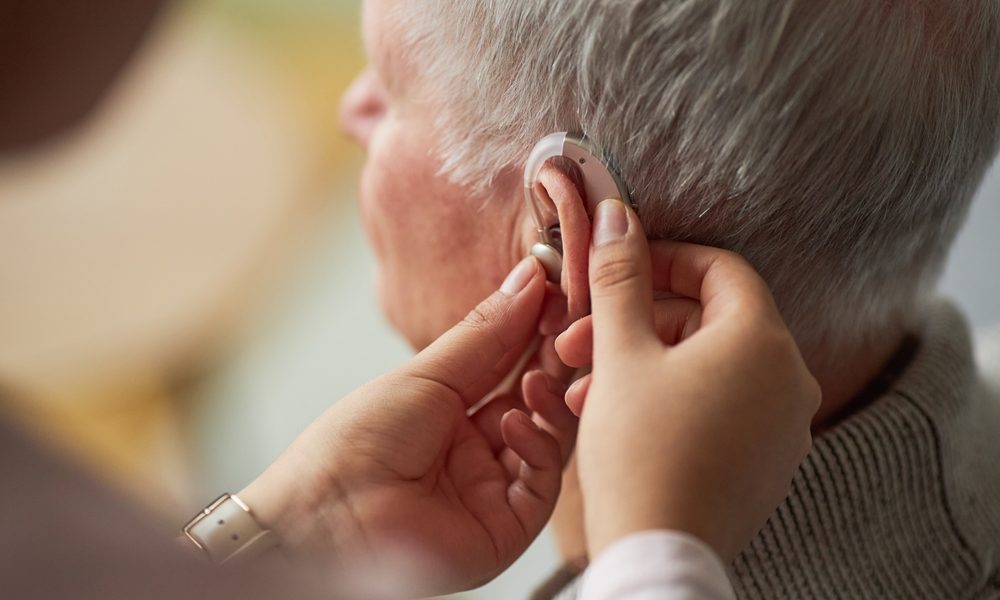
People who use hearing aids before the age of 70 can cut their risk of developing dementia, new research shows. The study found that people with hearing loss who used hearing aids had a 61 per cent lower risk of dementia if they were diagnosed under 70. Age-related hearing loss is already recognised as a [...]
Millions of people with type 2 diabetes should receive personalised treatment and greater access to newer medicines, including weight-loss drugs, the healthcare assessment body for England, Wales and Northern Ireland has recommended. The move is being described as the biggest shake-up in type 2 diabetes care in a decade. Offering more people these drugs could [...]
Researchers have identified a genetic biomarker that predicts whether people with relapsing forms of multiple sclerosis (MS) will respond better to glatiramer acetate or interferon-beta therapies. Analysis of more than 3,000 MS patients showed those carrying the HLA-A*03:01 gene variant benefit significantly more from glatiramer acetate treatment than from interferon-beta. The discovery could enable personalised [...]
Heart patients will be able to complete rehabilitation at home using online services instead of waiting for face-to-face appointments under new NHS plans. Six online platforms have been conditionally recommended to the NHS to support adults with cardiovascular disease (CVD) in draft guidance from the National Institute for Health and Care Excellence (Nice). The programmes [...]
Constant movement of the hands could be a warning sign of advanced dementia, experts have said. Roughly 900,000 people in the UK are affected by dementia, and early signs are often confused with normal ageing. While memory difficulties and confusion are widely recognised, hand behaviours may be missed or misunderstood. The Alzheimer's Society said people [...]
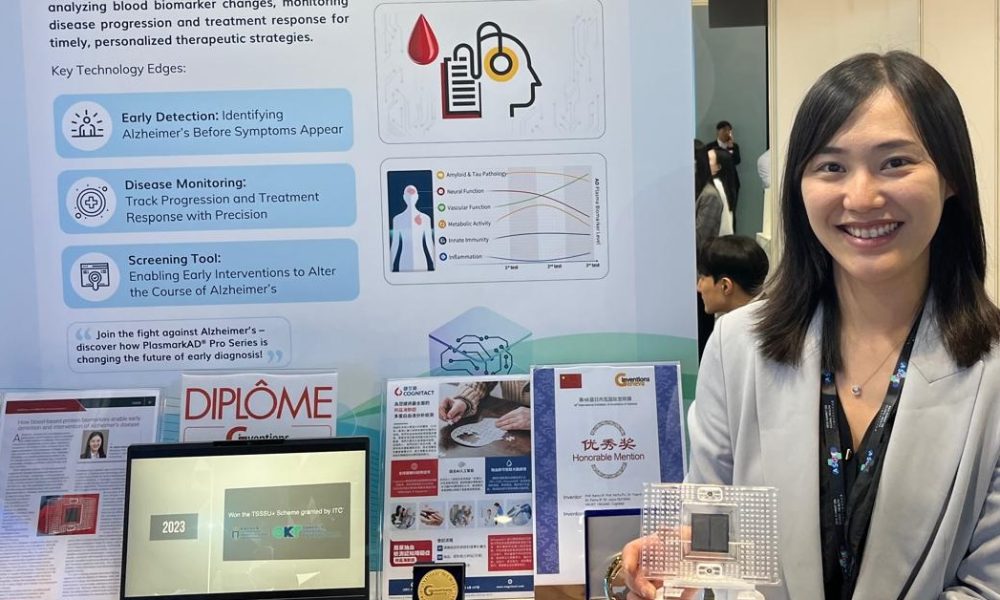
A new plasma technology powered by AI could transform the early detection of Alzheimer's Disease. Agetech World speaks to Cognitac CEO Stella Ling to find out more. Existing blood-based biomarkers for Alzheimer's disease (AD) mainly focus on its pathological features such as amyloid-beta (Aβ) and tau protein pathology, however, tests for other biomarkers are limited - making [...]