


Older adults underestimate dangers of extreme heat, study finds
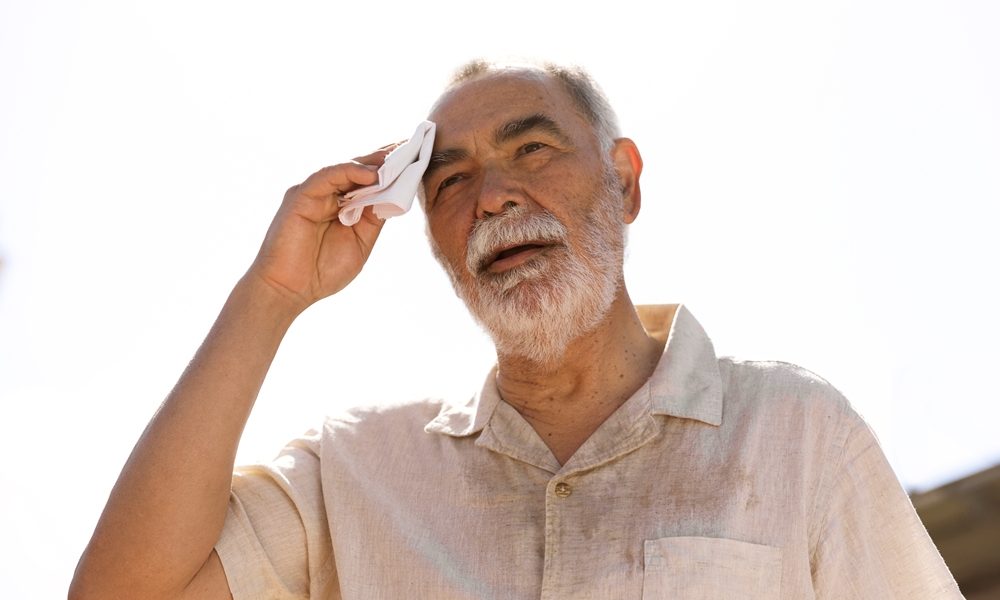
Older adults often don’t realise how vulnerable they are to extreme heat and most aren’t prepared for long periods of hot weather, according to a review of more than 40 studies.
In the review, researchers found that most studies focused on how older adults react when heat waves strike, such as staying hydrated or moving to cooler locations.
But there is less research on how they plan for prolonged heat events, which may be evidence of low-risk perception, according to the researchers.
“Extreme heat is not often viewed as a weather disaster like hurricanes or floods, but it should be,” said Smitha Rao, co-author of the study and assistant professor of social work at The Ohio State University.
“It is not something that is visible, which is why it is often called the ‘silent killer.’”
The study involved a rapid systematic review of 41 studies about extreme heat and older adults published globally from 2010 to 2024.
Most of the studies – 29 in total – focused on individual coping strategies, such as hydration, environmental adjustments or relocation to cooler spots.
One study examined heat preparedness.
“I thought it was interesting that very few studies focused on preparedness,” said co-author Fiona Doherty, a PhD graduate of Ohio State who is now an assistant professor of social work at the University of Tennessee.
“Risk awareness seems to be quite low among older adults and their caregivers.”
The issue has gained increasing importance in recent years for several reasons.
For one, older adults are one of the fastest-growing age groups, and people aged 65 and over will outnumber children under the age of five by 2050.
Also, countries worldwide experienced record-breaking heat in 2023 and 2024, with temperatures expected to surge over the next few years. Older adults and their caregivers may not be adequately ready to face these changes, according to the researchers.
“We tend to react based on past experiences in our lives and the reality has changed,” said co-author Holly Dabelko-Schoeny, professor of social work at Ohio State.
“The things that worked in the past to deal with heat waves are not going to work in this new reality.
“That goes for those who deliver services to older adults and well as to the individuals themselves.”
While the times have changed, Rao said another important point is that individuals themselves go through transformations as they age.
“We may not realize that our bodies’ reactions to heat changes as we age, and older adults and their caregivers may not realise that some of the medicines they are taking or medical conditions they have may make them prone to overheating,” Rao said.
Many heat-related deaths for older adults happen in their own homes and at night, again indicating that they may not have known they were in danger, she said.
In addition to the 29 studies that focused mostly on individual coping strategies, seven focused on service delivery to older adults facing extreme heat, and sometimes other weather disasters.
Doherty said that often more attention was paid to protecting individuals from extreme cold, rather than extreme heat, showing again the lack of adequate risk awareness.
The fewest number of studies they found had to do with policy actions to protect older adults.
That’s an area that needs more attention to make sure individuals are prepared before an extreme heat event occurs, according to the researchers.
That may involve engaging older adults, learning their specific needs, and tailoring interventions.
This could include the weatherization of their homes and providing cooling options for those who can’t afford them.
Another example: In Columbus, the Central Ohio Transit Authority recently changed its policies to make its buses free for everyone during extreme heat events, to reduce heat exposure and ensuring that young and old alike can travel without cost to cooling centers if needed.
“It is good to see policy changes like this that are responding to what our new normal looks like,” said Marisa Sheldon, director of the Age-Friendly Innovation Center at Ohio State’s College of Social Work.


