£29.6m UK facility to accelerate therapies for cancer and heart disease
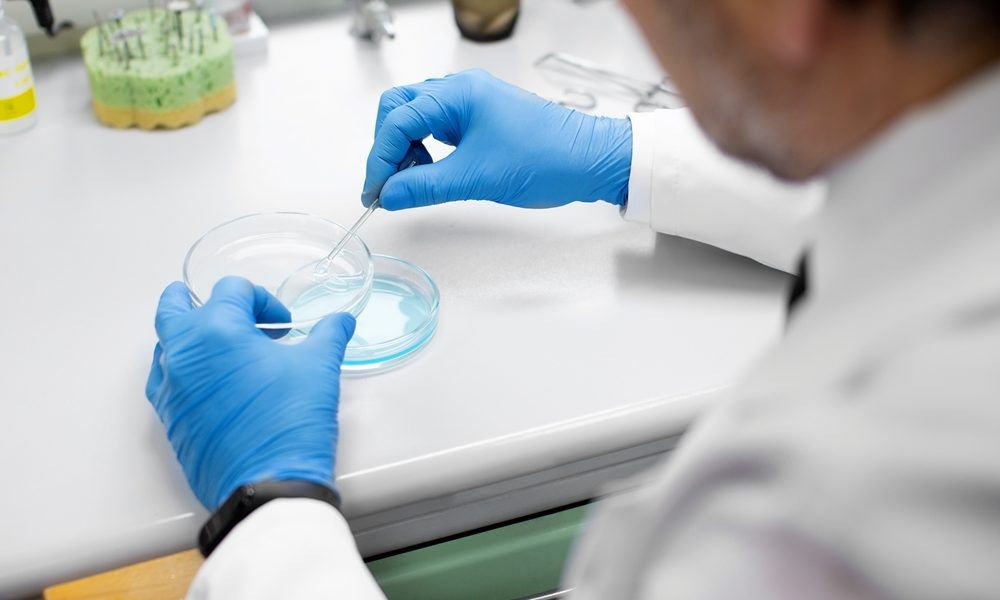
A £29.6m government-backed facility in Darlington will accelerate RNA therapies that could help tackle cancer, heart disease, infectious diseases and other conditions.
The UK RNA Biofoundry will help scientists and businesses move research from lab to market more quickly, providing a specialised site to manufacture clinical-grade RNA materials.
RNA therapies work by reprogramming immune or tumour cells, teaching the body to shut down disease.
These treatments, best known through mRNA vaccines during the Covid-19 pandemic, are considered more adaptable and accurate than traditional medicines.
A major challenge in RNA development is the high cost and complexity of producing clinical-grade materials at the scale needed for early trials. Many potentially promising treatments are currently shelved because of this barrier.
Science minister Lord Vallance said the facility marks “a new frontier in healthcare.”
He said: “RNA therapies are a new frontier in healthcare.
“With their ability to reprogramme our cells, and adapt to different diseases, they could be the answer to many treatments the British public are desperately in need of, tackling cancers, infectious diseases and more.
“This new biofoundry will accelerate the journey RNA therapies take from labs to the markets, to give our innovators the best opportunities to turn their great ideas into the lifesaving treatments for our NHS patients, and faster.”
Health minister Stephen Kinnock said: “This investment is exactly the kind of approach that will pull our health service into the 21st century.
“RNA therapies hold extraordinary promise for patients battling some of our most devastating diseases – from cancer to cardiovascular conditions that claim far too many lives each year.”
The biofoundry will be based at CPI’s RNA Centre of Excellence in Darlington.
The biofoundry will also be able to switch to vaccine production if needed, boosting the UK’s pandemic resilience.
The investment is part of the government’s Life Sciences Sector Plan, which includes reducing clinical trial setup times to under 150 days and introducing an NHS ‘Innovator Passport’ to speed adoption of new technologies.
Jane Wall, managing director of the UK BioIndustry Association, said: “RNA technology holds great promise for healthcare and UK economic growth as part of our thriving life sciences industry, with innovative SMEs at its core.
“By creating the right conditions for growth through infrastructure, investment and partnerships, we can accelerate the translation of RNA research into new medicines and vaccines for NHS patients and export around the world.”
The UK has strategic partnerships with BioNTech, aiming to provide up to 10,000 patients with personalised cancer immunotherapies by 2030, and with Moderna, which earlier this year completed construction of its Innovation and Technology Centre at Harwell under a 10-year agreement with the government.
The project is supported by Wellcome Leap, a non-profit created by Wellcome to drive health breakthroughs, and the Coalition for Epidemic Preparedness Innovations (CEPI), which focuses on speeding new countermeasures against epidemic threats.