Connect with us

News

Thousands of men in England to be offered life-extending prostate cancer drug

Published

on

Thousands of men in England will get the prostate cancer drug abiraterone on the NHS within weeks.

For the first time, patients in England whose cancer has not spread will be able to receive abiraterone as the health service widens access to the treatment.

Around 2,000 men diagnosed in the last three months whose cancer has not spread will get access to the treatment if it is of clinical benefit.

An additional 7,000 men are expected to be diagnosed each year and will be eligible for the drug.

The national clinical director for cancer at NHS England, professor Peter Johnson, said: “For thousands of men with prostate cancer, this treatment option could be life-changing by helping keep their cancer at bay for several years.

“The life-extending treatment available on the NHS within weeks will mean thousands of men can kick-start their year with the news that they will have a better chance of living longer and healthier lives.

“The NHS will continue to work hard to offer people the most effective and evidence-based treatments, with several new prostate cancer drugs rolled over the last five years.”

Abiraterone is a hormone-blocking tablet that helps stop prostate cancer spreading by cutting off the testosterone it needs to grow.

Research has shown that for these earlier-stage patients, survival after six years is improved, with trials showing 86 per cent of men alive after six years on abiraterone compared with 77 per cent on standard treatment (hormone therapy with or without radiotherapy).

NHS England has been able to expand access to the drug for thousands more eligible patients by securing better-value supply, following clinical advice to roll this out last year.

The NHS has set a target to save over £1bn on clinically effective biosimilar drugs during this parliament. Biosimilars are approved, lower-cost versions of biological medicines.

More than eight in 10 drugs the NHS now prescribes are lower-cost biosimilar or generic medicines, creating funding for other treatments.

The NHS in England already commissions abiraterone, now available as a lower-cost generic medicine, for advanced prostate cancer, having introduced a policy to commission the treatment in December 2024, nearly one year ahead of positive NICE guidance recommending it in November 2025.

NHS England has worked with campaigners including Prostate Cancer UK to secure this rollout.

In the past five years alone, the NHS in England has also commissioned targeted prostate cancer therapies, including the branded drugs enzalutamide, darolutamide, relugolix and apalutamide.

The health and social care secretary, Wes Streeting, said: “When you’re living with prostate cancer, every day with your loved ones matters.

“I’m delighted the NHS have taken the steps needed to make the drug available, giving thousands of men access to abiraterone, a treatment that significantly improves survival rates and can give patients precious extra years of life.

“We’re backing the best clinical evidence, making smart funding decisions, and ensuring patients get the care they need when they need it most.

“We’re serious about improving prostate cancer outcomes, treating it faster and giving loved ones more time together.”

In parallel with confirming abiraterone’s commissioning, NHS England will also offer blood plasma treatment for people with the rare condition Clarkson’s Syndrome, and genetic testing for parents with pre-existing conditions going through IVF, following clinical advice and enabled by long-term funding.

News

Shingles vaccine may slow biological ageing in older adults

Published

on

Shingles vaccination may slow biological ageing in older adults, research suggests.

The study examined more than 3,800 people aged 70 and older and found that those who received the vaccine showed slower biological ageing on average than unvaccinated individuals.

The study used data from a nationally representative US survey to assess how shingles vaccination related to several measures of biological ageing.

Even when controlling for other sociodemographic and health variables, vaccinated individuals had lower inflammation measurements, slower epigenetic ageing (changes in how genes are switched on or off) and slower transcriptomic ageing (changes in how genes are transcribed into RNA used to create proteins).

The research was carried out at the USC Leonard Davis School of Gerontology, using data from the US Health and Retirement Study.

Shingles, also called herpes zoster, is a painful, blistering skin rash caused by reactivation of the chickenpox virus. Anyone who has had chickenpox is at risk of shingles. While shingles can occur at younger ages, risk is higher for those 50 and older and for immunocompromised people. Vaccination offers protection from shingles and lowers the chance of postherpetic neuralgia, or long-term pain after infection.

While vaccines are designed to protect against acute infection, recent research has highlighted a possible link between adult vaccines, including those for shingles and influenza, and lower risks of dementia and other neurodegenerative disorders, said research associate professor of gerontology Jung Ki Kim, the study’s first author.

“This study adds to emerging evidence that vaccines could play a role in promoting healthy ageing by modulating biological systems beyond infection prevention.”

Biological ageing refers to how the body changes over time, including how well organs and systems are working, unlike chronological ageing, which is simply time passing. Two people who are both 65 years old may look very different inside: one may have the biological profile of someone younger, while another may show signs of ageing earlier.

Kim and coauthor Eileen Crimmins, USC university professor and AARP professor of gerontology, measured seven aspects of biological ageing: inflammation, innate immunity (the body’s general defences against infection), adaptive immunity (responses to specific pathogens after exposure or vaccination), cardiovascular haemodynamics (blood flow), neurodegeneration, epigenetic ageing and transcriptomic ageing. The team also used the measures collectively to record a composite biological ageing score.

Chronic, low-level inflammation is a contributor to many age-related conditions, including heart disease, frailty and cognitive decline. This phenomenon is known as inflammaging, Kim said.

“By helping to reduce this background inflammation, possibly by preventing reactivation of the virus that causes shingles, the vaccine may play a role in supporting healthier ageing. While the exact biological mechanisms remain to be understood, the potential for vaccination to reduce inflammation makes it a promising addition to broader strategies aimed at promoting resilience and slowing age-related decline.”

The effect may persist. When analysing how time since vaccination related to results, Kim and Crimmins found that participants who received their vaccine four or more years before providing their blood sample still showed slower epigenetic, transcriptomic and overall biological ageing on average than unvaccinated participants.

“These findings indicate that shingles vaccination influences key domains linked to the ageing process. While further research is needed to replicate and extend these findings, especially using longitudinal and experimental designs, our study adds to a growing body of work suggesting that vaccines may play a role in healthy ageing strategies beyond solely preventing acute illness.

The work was supported by the National Institute on Aging at the National Institutes of Health. The Health and Retirement Study is supported by the National Institute on Aging.

Continue Reading

News

Blood sugar spike after meals may increase Alzheimer’s risk

Published

on

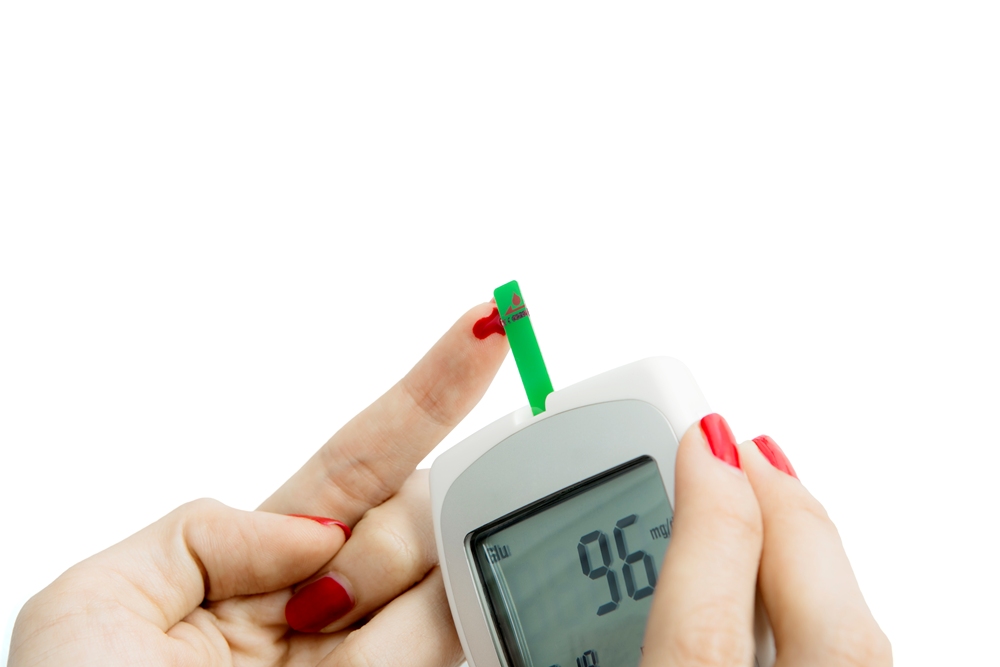
Sharp rises in blood sugar after meals may raise Alzheimer’s risk, according to genetic analysis of more than 350,000 adults.

The findings point to after-meal glucose, rather than overall blood sugar, as a possible factor in long-term brain health.

Researchers examined genetic and health data from over 350,000 UK Biobank participants aged 40 to 69, focusing on fasting glucose, insulin, and blood sugar measured two hours after eating.

The team used Mendelian randomisation, a genetic method that helps test whether biological traits may play a direct role in disease risk.

People with higher after-meal glucose had a 69 per cent higher risk of Alzheimer’s disease.

This pattern, known as postprandial hyperglycaemia (elevated blood sugar after eating), stood out as a key factor.

The increased risk was not explained by overall brain shrinkage (atrophy) or white matter damage, suggesting after-meal glucose may affect the brain through other pathways not yet fully understood.

Dr Andrew Mason, lead author, said: “This finding could help shape future prevention strategies, highlighting the importance of managing blood sugar not just overall, but specifically after meals.”

Dr Vicky Garfield, senior author, added: “We first need to replicate these results in other populations and ancestries to confirm the link and better understand the underlying biology.

“If validated, the study could pave the way for new approaches to reduce dementia risk in people with diabetes.”

Continue Reading

News

Agetech research round-up: brain health vital, £38m to combat Alzheimers, and more…

Published

on

While a healthy lifestyle with regular exercise can improve longevity, the key to ageing well is determined by the brain, says a new paper.

Published earlier this month and entitled: ’The Brain Is the Rate-Limiting Organ of Longevity’ it contends that ‘Longevity is not limited by how long the body survives, but by how long the brain can sustain coherent function’.

It says the traditional emphasis on peripheral organ systems, metabolic optimisation, and molecular aging pathways are misplaced.

Authored by Shaheen Lakhan, MD, PhD, founding executive director, at the Miami-based Global Neuroscience Initiative Foundation, he says: “Peripheral organs may determine the final cause of death, but the brain determines the duration and quality of life that precedes it.

“Any longevity strategy that does not explicitly preserve and restore brain function will ultimately fail, regardless of how effectively it slows peripheral aging.

“Recognising the brain as the rate-limiting organ of longevity is therefore not a conceptual preference, but a biological imperative.”

The three ageing benchmarks

Exploring a similar theme, recent Chinese research has identified three ages where substantial brain changes occur.

The first significant change comes at 57, then 70, and then 78, with the researchers identifying biomarkers which indicate these cognitive slumps.

The first change at 57 is due to a reduction in brain volume brought about by a decline in ‘white matter’ – the network of nerve fibres which allows the different brain regions to communicate effectively, they say.

The research measured levels in the brain of 13 proteins that are associated with accelerated brain ageing and neurodegenerative diseases and went on to say that poor lifestyle choices are a key driver of premature decline.

It went to identify exercise as being neuro-protective, by increasing the size of the hippocampus and thereby improving memory.

Alzheimer’s enabler Identified

Researchers at the University of New Mexico have discovered that the enzyme Otulin, known for regulating the immune system, also drives the formation of tau – a protein linked to Alzheimer’s and other neurodegenerative diseases.

In their study, the team demonstrated that deactivating Otulin – either by administering a custom-designed small molecule or knocking out the gene responsible for it –  effectively halted tau production and removed the protein from neurons.

The experiments were conducted on two types of cells: one derived from a patient who had died from late-onset sporadic Alzheimer’s disease, and another from a human neuroblastoma cell line often used in neuroscience research.

“Pathological tau is the main player for both brain aging and neurodegenerative disease.

“If you stop tau synthesis by targeting Otulin in neurons, you can restore a healthy brain and prevent brain ageing,” said Dr Karthikeyan Tangavelou, a senior scientist in the department of molecular genetics & microbiology at the UNM School of Medicine.

US$44m for pan-Europe Alzheimer’s attack

A European initiative to accelerate the implementation of scientific innovations for Alzheimer’s disease (AD) management has been launched by the European Commission’s Innovative Health Initiative in Alzheimer’s disease (AD) management,

Over €38m has been secured by the ACCESS-AD consortium – co-led by King’s College London, Amsterdam UMC, Siemens Healthineers and Gates Ventures – for the five year project.

With AD expected to exceed 19 million people in Europe by 2050, ACCESS-AD aims to address the challenges this presents to healthcare systems by ‘accelerating innovation and strengthening equitable access to timely and effective care’.

“By combining technological innovation with economic, ethical, regulatory and patient perspectives, we aim to chart a sustainable, scalable and equitable pathway for the implementation of new AD diagnostics and therapies,” said Prof Dag Aarsland, head of the centre for healthy brain ageing at King’s college London and clinical co-lead of the project

A central focus of the project is the combination of advanced but accessible neuro-imaging with expanded use of fluid and digital biomarkers.

This will support early and accurate patient identification, enabling timely diagnosis and entry into personalised treatment pathways, targeted lifestyle interventions and nutritional strategies.

It’s never too late…

The benefits of regular exercise are highlighted in a 47 year Swedish study on a cohort first enrolled at the age of 16.

Published recently in the Journal of Cachexia, Sarcopenia and Muscle, the study was tasked with seeing how muscles and fitness changed over time in the 427 participants, now aged 63.

The authors found that our bodies start to age from 35, but that the rate of decline can be slowed down if we stay physically active.

The researchers examined the participants’ aerobic capacity, muscular endurance, muscle power and performance in strength training exercises, such as bench press and vertical jump.

The study’s main finding was that peak physical ability arrived before the age of 36, and that after 40, a decline begins, for both sexes.

The researchers found that adults who became physically active later in life improved their performance in the tests by 5 to 10%.

“It is never too late to start moving. Our study shows that physical activity can slow the decline in performance, even if it cannot completely stop it,” said the study’s lead Maria Westerståhl, of the Karolinska Institutet.

Continue Reading

Trending

Agetech World