News
Telecare provider launches device to combat digital switchover


TakingCare Personal Alarms has launched a new digital alarm to help elderly people in the wake of the digital phone line switchover.
The digital alarm is the first in the UK with two multi-network SIM cards to ensure instant connectivity in case of a mobile network outage.
The device uses a roaming algorithm to automatically connect to the strongest available mobile network, switching to a different Core Network provider when an outage occurs.
Openreach’s digital phoneline switchover involves the replacement of analogue telephone lines with digital ones, meaning that personal alarms which rely on the telephone landline may no longer be compatible with the new digital system, potentially leaving vulnerable and older people unable to call for help.

Andrew Ridpath, head of customer experience at TakingCare Personal Alarms, said: “Earlier this year, one of the UK’s biggest Core Network Providers went offline in an unplanned outage. This meant that anyone using a digital personal alarm relying on mobile network connectivity from this single network provider was unable to call for help through their alarm device.
“With more and more analogue landlines already being replaced, digital personal alarms are an instrumental way of keeping older people safe.
“Most digital alarms rely on a single Core Network Provider, which is why we’ve gone one step further to create a resilient personal alarm product that uses two multi-network SIMs, making it purpose-built to remain operational even in case of a network provider outage.”
The device is worn around the neck as a pendant or on the wrist and it has a button which can be pushed in case of emergency, connecting the user to TakingCare Personal Alarm’s 24-hour emergency resolution team.










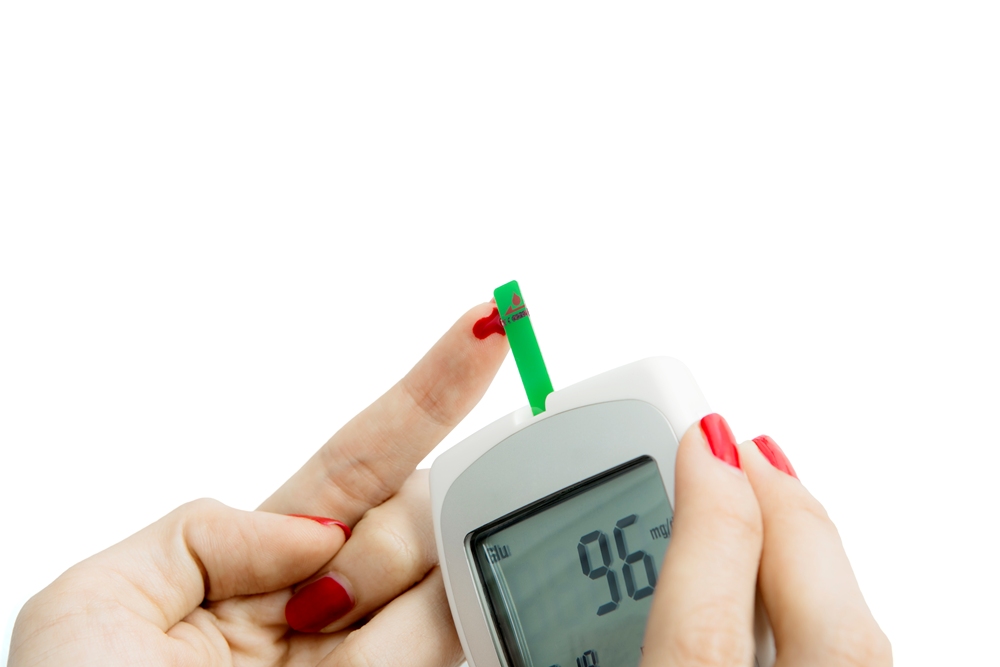
Sharp rises in blood sugar after meals may raise Alzheimer’s risk, according to genetic analysis of more than 350,000 adults.
The findings point to after-meal glucose, rather than overall blood sugar, as a possible factor in long-term brain health.
Researchers examined genetic and health data from over 350,000 UK Biobank participants aged 40 to 69, focusing on fasting glucose, insulin, and blood sugar measured two hours after eating.
The team used Mendelian randomisation, a genetic method that helps test whether biological traits may play a direct role in disease risk.
People with higher after-meal glucose had a 69 per cent higher risk of Alzheimer’s disease.
This pattern, known as postprandial hyperglycaemia (elevated blood sugar after eating), stood out as a key factor.
The increased risk was not explained by overall brain shrinkage (atrophy) or white matter damage, suggesting after-meal glucose may affect the brain through other pathways not yet fully understood.
Dr Andrew Mason, lead author, said: “This finding could help shape future prevention strategies, highlighting the importance of managing blood sugar not just overall, but specifically after meals.”
Dr Vicky Garfield, senior author, added: “We first need to replicate these results in other populations and ancestries to confirm the link and better understand the underlying biology.
“If validated, the study could pave the way for new approaches to reduce dementia risk in people with diabetes.”

Shingles vaccine may slow biological ageing in older adults

Thousands of men in England to be offered life-extending prostate cancer drug

Blood sugar spike after meals may increase Alzheimer’s risk

Study reveals why memory declines with age

Agetech research round-up: brain health vital, £38m to combat Alzheimers, and more…

FDA clears automated brain fluid device

Agetech World’s latest innovation & investment round-up

Insilico signs US$888m oncology deal with Servier

Food preservatives linked to increased diabetes and cancer risk, study finds

UK bans junk food ads before 9pm to protect child health
 News2 weeks ago
FDA clears automated brain fluid device
- News2 weeks ago
Agetech World’s latest innovation & investment round-up
- News2 weeks ago
Insilico signs US$888m oncology deal with Servier
- News2 weeks ago
Food preservatives linked to increased diabetes and cancer risk, study finds
- Wellness2 weeks ago
UK bans junk food ads before 9pm to protect child health
- News1 week ago
Captioning glasses win AARP pitch at CES
- Markets & Industry2 weeks ago
Global longevity initiative launches North American chapter
- Technology6 days ago
Interview: GlycanAge launch first hospital-based tests