News
New understanding of an old problem to immune response


It’s long been known that the older you get the more difficult it is to fight off infection.
This decline in resistance to infectious diseases with age is particularly obvious when it comes to vaccines. Annual flu jabs are a case in point. They are notorious for not having the desired effect on the elderly.
Understanding the ways people’s immune response changes as we age holds the key to designing better vaccines and boosting protection for those most at risk.
New research published in Nature Immunology by Dr Michelle Linterman and her group at the Cambridge-based Linterman lab in the UK, could make this possible.
It explains that the organisation of specialised structures called germinal centres – which make lasting antibody immunity to pathogens and are therefore vital to the generation of longer-lived protection following vaccination – are altered in ageing.
But by demonstrating that these age-related changes can be reversed in mice, the research sets the foundation for interventions that bolster an effective vaccine response.
After a vaccination our immune system reacts by creating germinal centres that produce the immune B cells that provide long-term protection through the production of antibodies.
Due to an age-dependent impairment in antibody production, older people have lower levels of protection from vaccination which also wanes more quickly compared to younger people.
Protection by vaccination is essential to protect older people who become more susceptible to infections with age. Therefore, understanding how the age-related decline of the immune system can be reversed or mitigated is an important part of securing better health in later years.
The correct function of the germinal centre response requires the coordination of cellular interactions across time and space.
Germinal centres are made up of two distinct regions – the light and the dark zone, with some cells located in specific areas, and others which move between the sections. B cells are shaped by their interactions in first the dark zone and then in the light area.
Through a combination of mouse research, computer modelling and analysis of human vaccination data, the Linterman lab research team were able to show that changes to key interactors of B cells in the light zone of the germinal centre, T follicular helper cells, and also to light-zone specific cells called follicular dendritic cells (FDCs), were at the heart of the diminished vaccination response.

Dr Michelle Linterman
Dr Linterman, a group leader in the Babraham Institute’s Immunology programme, explained: “In this study we looked at what was happening to different cell types in the germinal centre, particularly the structure and organisation of the germinal centre across its two functionally distinct zones, to try and understand what causes the reduced germinal centre response with age.
“What we found is that the T follicular helper cells aren’t where they should be and as a result, antibody-producing cells lose essential selection cues. Surprisingly we also uncovered an unknown role for T follicular helper cells in supporting the expansion of follicular dendritic cells in the light zone after vaccination.”
The team used 3D computer modelling to simulate the loss of Tfh cells from the light zone and a reduced FDC network, which recapitulated their findings and strengthened their hypothesis that these two factors were enough to be responsible for a less than optimal germinal centre response in aged mice.
Having identified the dependencies between the cell types, the researchers used genetically modified mice to control the location of Tfh cells in the germinal centre, demonstrating that the defective FDC response was caused by loss of Tfh from the light zone.
Importantly, they were also able to correct the defective FDC response and boost the germinal centre response in aged mice by providing T cells that could correctly localise to the light zone.
The team also utilised data from human vaccination studies and found similar age-dependent changes in mice and humans.
Dr Linterman concluded: “These findings give us a more complete picture of what the effects of age are on the germinal centre and vital insight into how we might address these in terms of developing effective strategies for enhancing vaccine response in older people.”






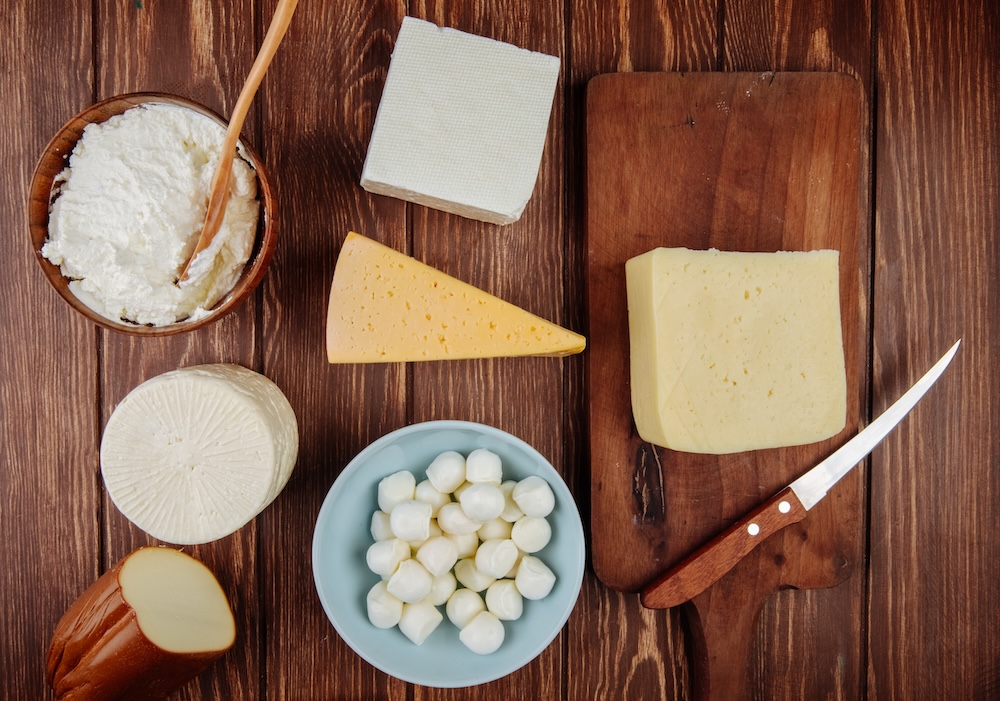
A 25-year Swedish study links higher cheese intake to lower Alzheimer’s risk in people without known genetic risk, with cream also tied to lower dementia risk.
However, researchers emphasise that the results should be interpreted with caution.
The study tracked 27,670 people over 25 years.
During that time, 3,208 participants were diagnosed with dementia.
Among individuals without a known genetic risk for Alzheimer’s disease, those who consumed more than 50 grams of full-fat cheese per day showed a 13 to 17 per cent lower risk of developing Alzheimer’s.
This association did not appear in participants who carried genetic risk factors for the disease.
People who consumed more than 20 grams of full-fat cream per day also showed a lower risk of dementia overall, ranging from 16 to 24 per cent.
No meaningful links were found for low-fat or high-fat milk, fermented or non-fermented milk, or low-fat cream.
The results stand out because public health guidance has long encouraged people to choose low-fat dairy to protect heart health.
This connection matters because cardiovascular disease (conditions affecting the heart and blood vessels) and dementia share many underlying risk factors, including high blood pressure, diabetes and obesity.
When evidence from previous studies is combined, analyses suggest that cheese consumption may also be linked to a lower risk of heart disease, and that full-fat dairy does not necessarily increase cardiovascular risk.
Several other studies have explored whether similar patterns apply to brain health, but the results are mixed.
Evidence overall suggests that studies conducted in Asian populations are more likely to report benefits of dairy consumption for cognitive health (the ability to think, remember and reason), while many European studies do not.
One possible explanation is that average dairy intake tends to be much lower in Asian countries, meaning modest consumption may have different effects than higher intakes.
For example, one Japanese study reported a reduced dementia risk among people who ate cheese, but overall consumption levels were very low and the research was sponsored by a cheese producer.
In contrast, another Japanese study funded by government grants found no protective effect of cheese.
Some long-term European studies have also reported benefits.
In a Finnish study of 2,497 middle-aged men followed for 22 years, cheese was the only food associated with a lower dementia risk, reduced by 28 per cent.
Other dietary factors also appear to matter.
Higher consumption of milk and processed red meat was associated with worse performance on cognitive tests, while fish intake was linked to better results.
A large study in the UK that followed nearly 250,000 people found lower dementia risk among those who ate fish two to four times a week, fruit daily and cheese once a week.
However, these studies have important limitations.
What people eat is usually self-reported, and changes in memory can affect both eating habits and how accurately people remember what they have eaten. To deal with this, the Swedish researchers took two extra steps.
First, they excluded anyone who already had dementia when the study began.
Then they repeated the same calculations after removing people who went on to develop dementia within the first ten years of the study.
This did not mean starting the study again or recruiting new participants. It simply meant re-checking the results using a smaller group of people who remained dementia-free for longer.
The reason for doing this is that the early stages of dementia can subtly change behaviour long before diagnosis.
People may eat differently, lose appetite or struggle to recall their usual diet. By focusing on participants who stayed cognitively healthy for many years, the researchers reduced the chance that these early changes were influencing the results.
Another important question is whether substitution played a role.
Some of the apparent benefits may reflect replacing red or processed meat with cheese or cream, rather than an effect of dairy itself.
Supporting this idea, the Swedish study found no association between full-fat dairy and dementia risk among participants whose diets remained stable over five years.
Most importantly, foods should not be considered in isolation.
Dietary patterns matter more than individual ingredients. Diets such as the Mediterranean diet, which is consistently associated with lower risks of both dementia and heart disease, include cheese alongside vegetables, fish, whole grains and fruit.
In the Swedish study, people who consumed more full-fat cheese and cream were also more educated, less likely to be overweight and had lower rates of conditions linked to dementia, including heart disease, stroke, high blood pressure and diabetes.
All of these factors independently reduce dementia risk.
This suggests that higher cheese intake tended to occur within healthier overall lifestyles, rather than alongside excess calorie consumption or poor metabolic health.
Overall, the evidence does not support the idea that full-fat dairy causes dementia, nor that fermented milk products reliably protect against it.
Full-fat cheese contains several nutrients relevant to brain health, including fat-soluble vitamins A, D and K2, as well as vitamin B12, folate, iodine, zinc and selenium.
These nutrients play roles in neurological function and may help support cognitive health.
That said, the data do not justify eating large amounts of cheese or cream as protective foods against dementia or heart disease.
The most consistent message remains that balanced diets, moderation and overall lifestyle matter far more than any single item on the cheese board.


Longevity startup Biopeak secures US$2.7m

Study reveals link between cheese and dementia

New obesity and diabetes drug set for Boots clinical trial

New study links Alzheimer’s memory loss to disrupted brain “replay” during rest

Blood test could spot pancreatic cancer earlier

Interview: GlycanAge launch first hospital-based tests

Captioning glasses win AARP pitch at CES

Food preservatives linked to increased diabetes and cancer risk, study finds

Shingles vaccine may slow biological ageing in older adults

Older male athletes may face increased risk of serious heart problems during exercise
 Technology3 weeks ago
Interview: GlycanAge launch first hospital-based tests
- News4 weeks ago
Captioning glasses win AARP pitch at CES
- News4 weeks ago
Food preservatives linked to increased diabetes and cancer risk, study finds
- News2 weeks ago
Shingles vaccine may slow biological ageing in older adults
- News3 weeks ago
Older male athletes may face increased risk of serious heart problems during exercise
- News4 weeks ago
Corsera Health raises US$80m to prevent heart disease
- News3 weeks ago
Thousands of men in England to be offered life-extending prostate cancer drug
- News4 weeks ago
Billionaire Platt backs Engitix again with US$25m