News
New study paves way for immunotherapies tailored for childhood cancers


Researchers in Sweden have determined how children’s immune systems react to different kinds of cancer depending on their age.
The study reveals significant differences between the immune response of children and adults, and has the potential to lead to new tailored treatments for children with cancer.
Petter Brodin, professor of paediatric immunology at the Department of Women’s and Children’s Health, Karolinska Institutet, and paediatrician at the Astrid Lindgren Children’s Hospital, Karolinska University Hospital.
He said: “The activation of the immune system is crucial to our ability to fight cancer, but differs between children and adults.
“If we’re to properly treat childhood cancer, we need to find out how the child’s immune system is activated and regulated in children with cancer and what factors affect their immune responses.”
The study comprised 191 children between the ages of 0 to 18 who were diagnosed with different types of solid tumours at the Astrid Lindgren Children’s Hospital between 2018 and 2024.
The researchers analysed tumour tissue and blood samples to determine the genetic mutations in the tumours and ascertain which genes are and are not active in the immune system.
Professor Brodin said: “Precision medicine in cancer has mostly focused on the tumour properties.
“By characterising the immune system, we’re introducing an entirely new dimension that will be instrumental in shaping the future of childhood cancer therapy.”
The results show that the immune system of children and adults do not react the same to cancer, and that different tumours activate the immune response to varying degrees.
Professor Brodin said: “What we can see is that children’s tumours are generally less inflammatory and have fewer mutations, which means that they likely appear less foreign to the immune system and that the immune system therefore doesn’t attack the tumours as forcefully.
“Having said this, there are large individual variations, which underlines the importance of precision medicine, which is to say the adapting of treatment to individual patients.
“Our study shows how this can be done in practice.”
The results might explain why children do not benefit from immunotherapeutic treatments such as checkpoint inhibitors, a type of biological therapy that makes immune cells more effective against the tumour by blocking the proteins that disengage them.
Professor Brodi said: “This requires the immune cells to be activated against the tumour.
“We show that the child’s immune cells are often initially not activated against the tumour, which means that checkpoint inhibitors won’t work.
“Children likely need different types of immunotherapies that are more focused on triggering the immune cells to attack the tumour cells from scratch.”
Having tracked the immune response over time and during treatment in some of the children, the researchers were able to measure changes in the population of killer T cells (i.e. the cells whose job it is to kill the tumour).
Professor Brodi said: “This is something that we could make clinical use of today to judge the therapeutic effect and adjust the treatment to every individual patient.
“We’ll now be testing this on a larger scale as we believe that it can be a useful complement to the genetic analyses of tumours that are already being done in routine care.”



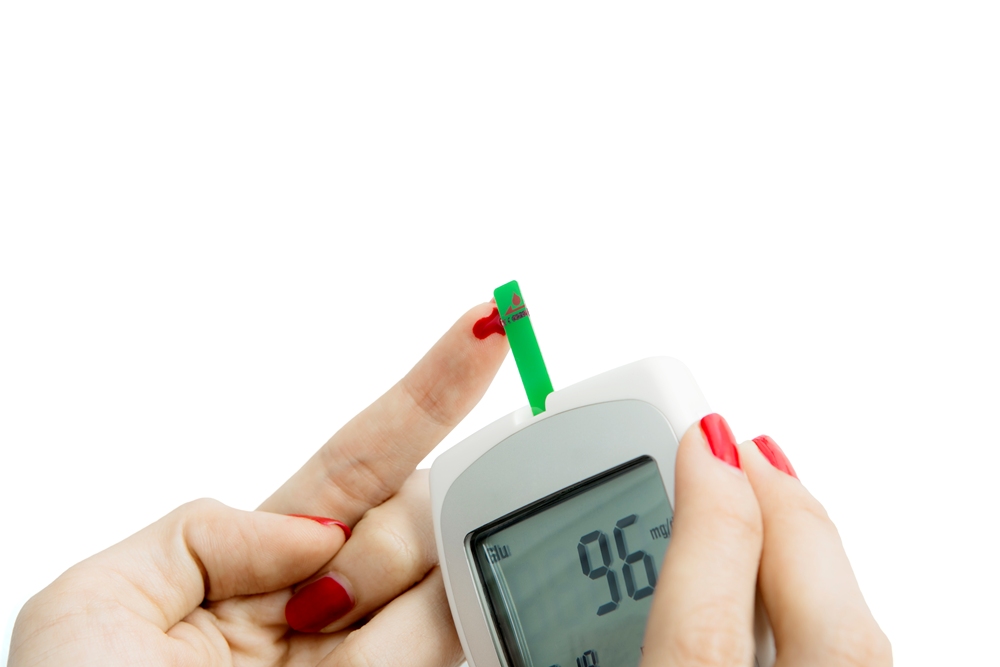
Sharp rises in blood sugar after meals may raise Alzheimer’s risk, according to genetic analysis of more than 350,000 adults.
The findings point to after-meal glucose, rather than overall blood sugar, as a possible factor in long-term brain health.
Researchers examined genetic and health data from over 350,000 UK Biobank participants aged 40 to 69, focusing on fasting glucose, insulin, and blood sugar measured two hours after eating.
The team used Mendelian randomisation, a genetic method that helps test whether biological traits may play a direct role in disease risk.
People with higher after-meal glucose had a 69 per cent higher risk of Alzheimer’s disease.
This pattern, known as postprandial hyperglycaemia (elevated blood sugar after eating), stood out as a key factor.
The increased risk was not explained by overall brain shrinkage (atrophy) or white matter damage, suggesting after-meal glucose may affect the brain through other pathways not yet fully understood.
Dr Andrew Mason, lead author, said: “This finding could help shape future prevention strategies, highlighting the importance of managing blood sugar not just overall, but specifically after meals.”
Dr Vicky Garfield, senior author, added: “We first need to replicate these results in other populations and ancestries to confirm the link and better understand the underlying biology.
“If validated, the study could pave the way for new approaches to reduce dementia risk in people with diabetes.”

Shingles vaccine may slow biological ageing in older adults

Thousands of men in England to be offered life-extending prostate cancer drug

Blood sugar spike after meals may increase Alzheimer’s risk

Study reveals why memory declines with age

Agetech research round-up: brain health vital, £38m to combat Alzheimers, and more…

FDA clears automated brain fluid device

Agetech World’s latest innovation & investment round-up

Insilico signs US$888m oncology deal with Servier

Food preservatives linked to increased diabetes and cancer risk, study finds

UK bans junk food ads before 9pm to protect child health
 News2 weeks ago
FDA clears automated brain fluid device
- News2 weeks ago
Agetech World’s latest innovation & investment round-up
- News2 weeks ago
Insilico signs US$888m oncology deal with Servier
- Markets & Industry2 weeks ago
Food preservatives linked to increased diabetes and cancer risk, study finds
- News2 weeks ago
UK bans junk food ads before 9pm to protect child health
- News1 week ago
Captioning glasses win AARP pitch at CES
- Insights2 weeks ago
Global longevity initiative launches North American chapter
- News6 days ago
Interview: GlycanAge launch first hospital-based tests