A new study found that those who fall victim to fraudulent schemes are more likely to have higher blood pressure afterwards.
The study, published in the Journal of the America Geriatrics Society, suggests that those affected by scams, financial exploitation and fraud appear to have higher blood pressure than before the fact.
This has only been observed in men and not women.
Researchers examined data from 1,200 older adults who took part in a clinical study of ageing.
Participants, who had an average age of 81, were followed by researchers for an average 11 years.
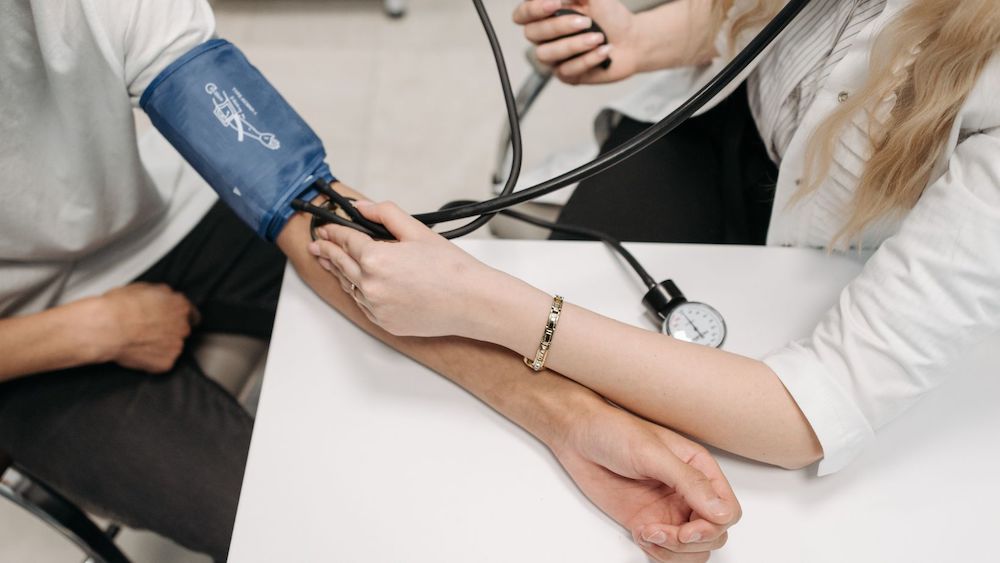
During the appointments, participants were asked about fraud victimisation while they had their blood pressure measurements taken.
Results showed an elevation in blood pressure values for men.
Lead author Dr Melissa Lamar said: “These findings show that fraud victimisation has important public health consequences and underscore the need for efforts to prevent exploitation.”
The authors wrote: “Results suggest an important link between fraud victimisation and blood pressure, particularly among men.
“Older men showed significant elevations in blood pressure after incident fraud that, compounded over time, may portend other adverse health outcomes.”
High blood pressure, or hypertension, rarely has noticeable symptoms but if untreated, it increases the risk of serious problems such as heart attack and strokes.
Around a third of adults in the UK have high blood pressure, although many will not realise it.
The only way to find out if blood pressure is high is to have it checked at your doctor’s surgery, at a pharmacy or at a health clinic.
According to California Mobility, seniors lose an average of $500 or more when scammed but they are 93 per cent more likely than younger consumers to file fraud reports when they have been scammed but not lost any money.