News
Antidepressants taken by 8.6m people linked to increased motor neurone disease risk

Antidepressants, taken by around 8.6 million people in the UK, may increase the risk of motor neurone disease (MND) by up to 26 per cent, according to a major study.
Scandinavian researchers also found an increased risk linked to other commonly prescribed drugs, including anxiolytics (used to treat anxiety disorders), sedatives, and sleeping pills.
Motor neurone disease—of which amyotrophic lateral sclerosis (ALS) is the most common form—is a progressive, incurable, muscle-wasting condition that eventually stops a person from being able to move, talk, and even eat. It affects around 5,000 adults in the UK and was famously suffered by physicist Stephen Hawking.
The study suggests that being prescribed any of these medications just twice over a lifetime could increase the risk of developing MND by up to 34 per cent. The elevated risk remained even when the drugs were taken more than five years before diagnosis.
The research, conducted in Sweden, analysed 1,057 patients diagnosed with the disease between January 2015 and July 2023, with an average age of 67. Researchers examined their medication history and followed the patients for an average of 1.33 years after diagnosis.
Each patient was matched with a group of healthy controls to identify differences that could help explain the development of the disease.
Prescribed use of anxiolytics was associated with a 34 per cent increased risk of developing MND. Antidepressants were linked to a 26 per cent rise in risk, while sedatives and sleeping pills were associated with a 21 per cent increase.
Use of antidepressants before diagnosis was also associated with a faster rate of functional decline.
However, other scientists have urged caution in interpreting the findings, suggesting the apparent link may reflect an underlying connection between mental health conditions and MND, rather than a direct effect of the medication.
Professor Ammar Al-Chalabi, a specialist in complex disease genetics at King’s College London, said: “Association is not causation. That is especially important here.
“We already know that some of the genetic variants that nudge people towards schizophrenia, for example, overlap with variants that nudge people towards ALS.
“It may not be use of the medication that increases ALS risk, but that the need for the medication is a signal that someone is already at increased genetic risk.”
The study authors, from several Scandinavian institutions, noted that depression, anxiety, and sleep disturbances have been shown to have detrimental effects on brain cells, resulting in structural changes that occur alongside ALS.
Lead author Dr Charilaos Chourpiliadis said more research is needed to understand the connection fully. However, he added: “Closer monitoring in younger patients with psychiatric symptoms might lead to an earlier ALS diagnosis.”
Dr Brian Dickie, chief scientist at the MND Association, pointed out that the most common genetic risk factor for ALS—a repeat expansion in the C9orf72 gene—is especially prevalent in Scandinavian populations.
“A study in the Swedish population will most likely have a higher proportion of people with this particular genetic form of the disease,” he said.
“Not only would higher use of psychiatric medication be likely, but this genetic form is also linked with faster progression and shorter survival, which could explain the association between psychiatric medication and more aggressive disease.”
News
Older male athletes may face increased risk of serious heart problems during exercise

Veteran male athletes may face higher heart risk during exercise if they have existing heart scarring, new research suggests.
The study found that male endurance athletes aged over 50 were more likely to experience abnormal heart rhythms during training if scarring was present.
Nine in 10 sudden cardiac deaths during sport occur in older male athletes.
Researchers at the University of Leeds tracked 106 healthy male endurance athletes aged over 50 who had been doing more than 10 hours of running or cycling weekly for at least 15 years.
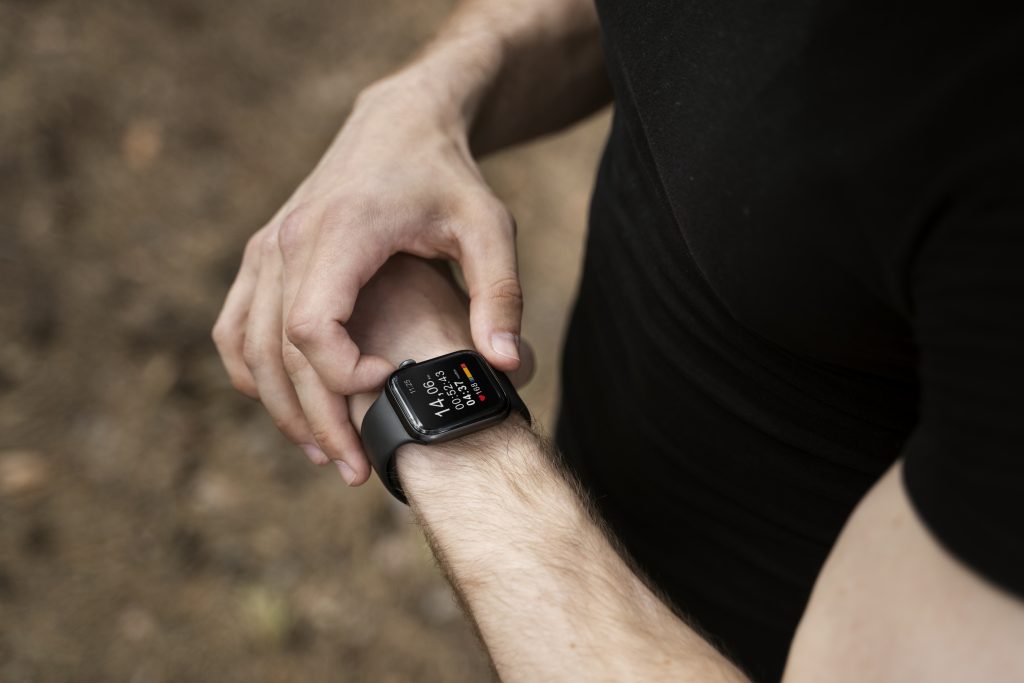
They matched training data from wearables with implantable loop recorders to align heart rhythms with activity.
Over two years, about one in four participants experienced ventricular tachycardia, a fast, abnormal rhythm arising from the heart’s lower chambers, during or just after exercising.
Three quarters of those who had these episodes had heart scarring. There were three sustained episodes during exercise, all in athletes with scarring.
Scarring may be caused by heart attacks, disease or cumulative exertion from years of high-intensity exercise.
Dr Wasim Javed, research fellow at the University of Leeds and lead author, said: “Our study shows that exercise was only associated with a risk of developing abnormal heart rhythms in those who were already high risk due to heart scarring.
“Athletes who developed abnormal heart rhythms were not exercising more or harder than athletes without abnormal heart rhythms.
“This suggests that exercise itself is not the cause, but could act as a trigger for dangerous heart rhythms in those athletes already with an underlying heart issue.”
“Exercise is safe and has immense benefits – but athletes in this group should have regular health checks to make sure they stay healthy.”
The researchers said their findings support the use of wearable technology for athletes who want to monitor their heart rate for unusual activity.
Wellness
Childhood exposure to indoor air pollution linked to long term brain harms

Childhood exposure to indoor air pollution may have long-term effects on brain health, with cognitive impairment appearing decades later, new research suggests.
The study analysed data from over 7,000 Chinese adults aged 45 and above using machine learning techniques.
Nearly 30 per cent of the global population, roughly 2.4bn people, still cook without clean fuels such as gas or electricity, instead using solid fuels like coal, wood and plant waste.
Researchers at the University of Helsinki found that individuals exposed as children to indoor air pollution from solid fuels performed significantly worse on cognitive tests in adulthood, particularly in episodic memory and overall mental health.
The study identified two main pathways through which childhood exposure may contribute to poorer cognitive performance: biological, including being overweight and limitations in daily activities; and socioeconomic, with exposure associated with lower education and income levels.
Men, smokers and regular alcohol users were particularly vulnerable to the detrimental effects.
Xu Zong, the study’s author, said: “Our study emphasises that early exposure to air pollution affects later cognitive health through both biological and social pathways.
“That is why public health efforts should combine clean energy initiatives with preventive strategies that support lifelong health and positive behaviours.
“Switching to cleaner fuels, such as gas or electricity, is not merely an environmental or respiratory health measure.
“It is also an investment in long-term cognitive wellbeing that could safeguard brain health for future generations.”
News
SimpleC launches AI companion for dementia carers

SimpleC has launched Wellby, an AI companion for unpaid dementia carers, offering round-the-clock emotional support and practical guidance.
Announced at CES in Las Vegas, Wellby is designed for caregivers of people with Alzheimer’s disease and related dementias.
Some 63 million people in the US provide unpaid care to older adults, including 12 million specifically caring for those with dementia. SimpleC says many face emotional strain, uncertainty and limited timely guidance.
Unlike general-purpose AI tools, Wellby is built for caregiving support, delivering personalised, real-time assistance through natural conversation.
Kevin Henze, chief executive of SimpleC, said: “This launch reinforces our belief that technology should support caregivers with both intelligence and compassion.
“As a privately owned, mission-driven company, we’re able to prioritise affordability, accessibility, and long-term caregiver impact. Wellby represents technology with soul—AI designed to truly walk alongside caregivers.”
Future releases will integrate the companion into SimpleC’s Connected Care Platform and extend it to serve older adults ageing in place.
Jun Ying, chief product officer, said: “By integrating AI across our platform, we’re creating a connected ecosystem where caregivers and care recipients can access multiple services—support, monitoring, guidance, and coordination—through a single, trusted SimpleC experience.”
News4 weeks agoCommonly-prescribed drugs liked to 50% increased risk of dementia
News4 weeks agoVaccine raises hope for million living with knee osteoarthritis
Insights4 weeks agoStudy reveals habits that could lower brain age by eight years
News4 weeks agoLoss of confidence in midlife linked to dementia
News4 weeks agoConcurrent frailty and depression likely boost dementia risk in older people, study finds
News4 weeks agoSanofi and ADEL sign US$1.04bn Alzheimer’s deal
News4 weeks agoYellow wristbands launched to help locate people with dementia
Wellness4 weeks agoSitting by window improves blood sugar control in diabetes patients – study


