Latest News

Cycling in mid-life may significantly reduce the risk of developing dementia, according to a study involving nearly 500,000 adults in the UK. Researchers found those who primarily travelled by bike were 19 per cent less likely to develop any form of dementia compared with those who relied on more sedentary transport such as cars, buses [...]
Teenagers who go to bed earlier, spend less time awake in bed, and maintain regular sleep patterns at age 15 are more likely to show stronger cardiovascular health by age 22, new research suggests. The study found that adolescents with better sleep efficiency and lower variability in sleep and wake times had higher heart health [...]
Children diagnosed with multiple sclerosis (MS) appear to show signs of accelerated biological ageing, according to new findings that could reshape understanding of the disease’s long-term effects. Researchers studying DNA from children and teenagers with MS found patterns indicating they were biologically older than their healthy counterparts, despite being the same age in years. The [...]
A woman living with Alzheimer's disease has said dementia research has suffered a "devastating blow" after a new treatment was rejected for use by NHS Scotland. Donanemab, a drug designed to slow the onset of dementia, works by targeting one of the causes of the disease, rather than just treating its symptoms. But the Scottish [...]
A Cambridge-based biotech firm has identified a novel single-gene target that may rejuvenate cells without triggering cancer, potentially enabling safer anti-ageing therapies. The discovery, known as SB000, is claimed to reverse signs of cellular ageing across multiple cell types—without activating the harmful biological pathways associated with other methods. Shift Bioscience, which is developing therapies for [...]
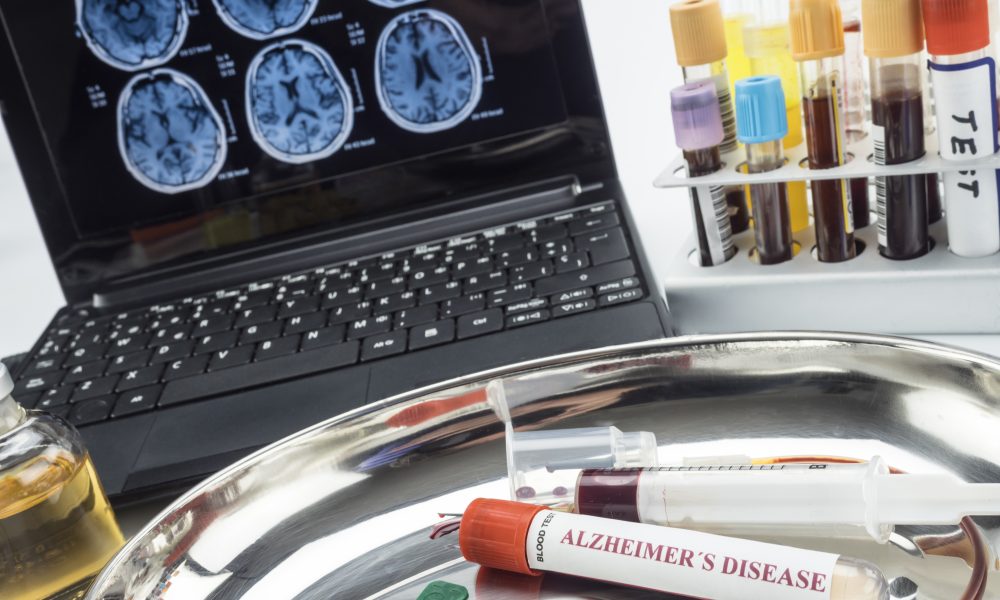
A new blood test for Alzheimer’s disease can accurately identify people with early symptoms by examining two key proteins in blood plasma. The test, which has been approved by the US Food and Drug Administration (FDA), showed 95 per cent sensitivity in picking up people with memory problems—meaning it correctly identified the vast majority of [...]
A home device that scans a person’s feet as soon as they get out of bed in the morning could help keep people with heart failure out of hospital, according to new research. More than a million people in the UK have heart failure, which—when not fully managed by medication or lifestyle changes—can lead to [...]
Children from less affluent families may be ageing faster at a biological level than their wealthier peers, according to a new study. Researchers from Imperial College London analysed data from 1,160 children aged between six and 11 from across Europe. The study, published in The Lancet, measured biological markers associated with ageing and stress. Children [...]
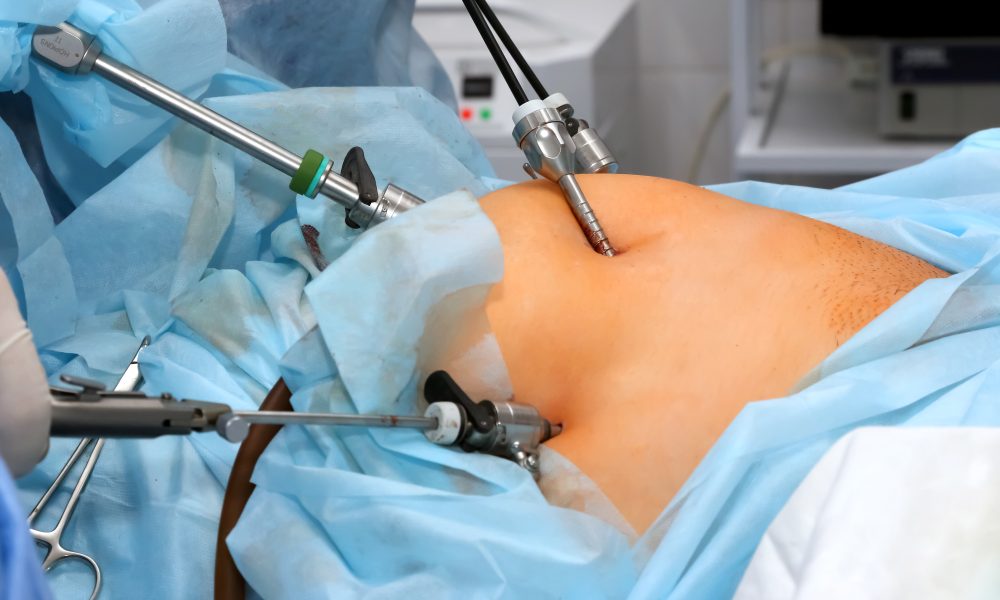
New research shows that weight stigma—not body weight itself—has the biggest impact on mental health and healthy behaviours in the years following weight-loss surgery. The study found that patients who had undergone metabolic bariatric surgery, commonly referred to as weight-loss surgery, tended to experience a significant reduction in weight stigma. This decrease—not a lower BMI [...]
Antidepressants, taken by around 8.6 million people in the UK, may increase the risk of motor neurone disease (MND) by up to 26 per cent, according to a major study. Scandinavian researchers also found an increased risk linked to other commonly prescribed drugs, including anxiolytics (used to treat anxiety disorders), sedatives, and sleeping pills. Motor [...]