Latest News

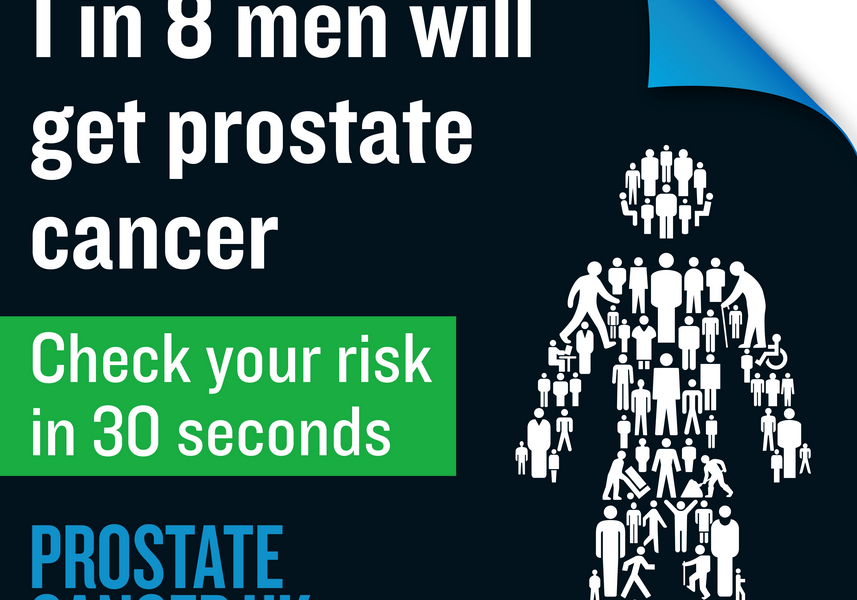
Prostate Cancer UK and NHS England have launched a ’30-second checker’ aimed at identifying men who may be at risk of prostate cancer. The new campaign aims to find more than 14,000 men across the country who have not sought treatment since the pandemic began. The risk-checking tool will help men learn more about their [...]
Research in the US has revealed how the brain organises memories into sequences and how this can be used to plan future behaviour. The findings, from a team at the University of California, Irvine (UCI) could lead to understanding memory failures in cognitive disorders such as Alzheimer’s. The researchers combined electrophysiological recording techniques in rodents [...]
Researchers from Singapore and the UK have successfully engineered common baker's yeast to produce D-lysergic acid (DLA), an ingredient used in medicine for dementia and Parkinson's Disease, as Agetech World reports. A class of medicine used in the treatment of neurocognitive diseases and other neurological ailments are currently obtained from extracts of the ergot fungus. [...]
A UK project aimed at enabling longer, happier lives through innovation has received £5.6m in funding. The joint investment brings together the National Innovation Centre for Ageing (NICA) with the North of Tyne Combined Authority covering Newcastle, North Tyneside and Northumberland. It will see cutting-edge research being translated into new jobs, skills and tech start-ups [...]
Less than half of adults aged 50 to 80 have ever used a health-related app on their smartphone, tablet or wearable device, according to US research. The National Poll on Healthy Aging found that just 44 per cent of older adults had ever used the technology. Respondents who said they were in poor health, as [...]
A compound found in cannabis plants could help prevent Parkinson’s and Alzheimer’s by protecting the brain from the effects of ageing. Cannabinol or CBN is just the latest cannabis compound to have shown medical potential, though CBD and THC are much better understood. Senior author Professor Pamela Maher said: “We’ve found cannabinol protects neurons from [...]
Older adults with dementia or mild cognitive impairment can improve their memory by using a smartphone personal assistant, research has found. The study was published in the Journal of the American Geriatrics Society. Researchers studied older adults with these conditions and tracked how they performed various memory tasks over a four-week period. The participants were [...]
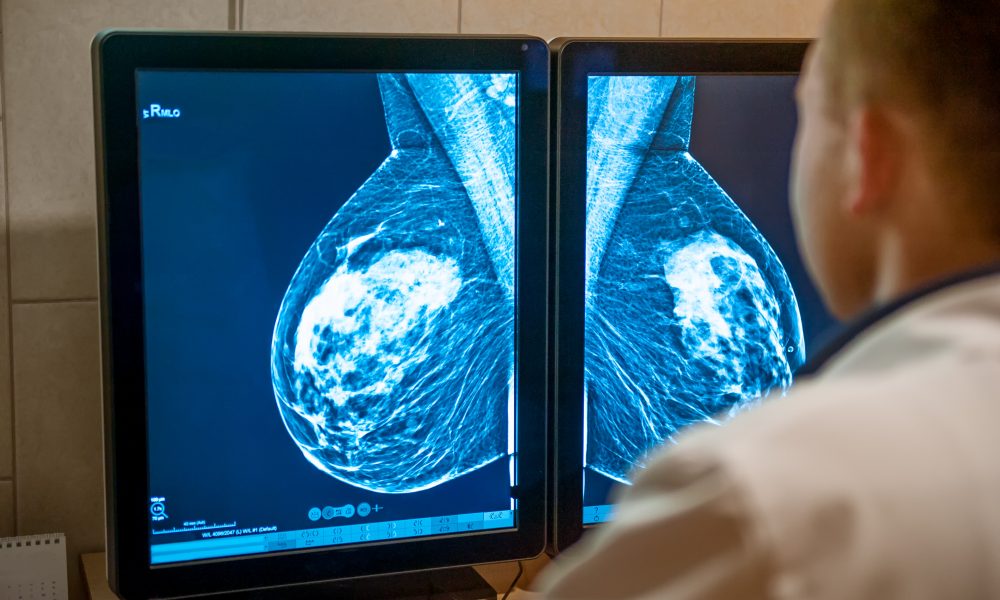
A “promising” immunotherapy drug can cut the risk of triple-negative breast cancer by more than a third, a recent long-term global study has found. Triple-negative breast cancer is very aggressive and has a much poorer prognosis than other types of the disease. Keytruda, also known as pembrolizumab, works with the immune system to fight the [...]
Two less-often prescribed type 2 diabetes drugs could lower the risk of heart disease by more than 50 per cent, new research suggests. The study of English and Welsh data is published in the journal, Diabetes Care. Medications for type 2 diabetes work in different ways to lower blood glucose levels. The study looked at [...]
Ageist biases need to be eliminated if artificial intelligence (AI) is to improve the lives of older people, the World Health Organization (WHO) has warned. The health body issued the warning in a policy brief published on February 9. According to the brief, AI can predict health risks and events, enable drug development and support [...]