Latest News

A new innovation space for cancer-focused life sciences companies has opened at The London Cancer Hub. The Innovation Gateway offers laboratory, office and collaboration spaces at the Hub, which aims to become a world-leading cancer research and innovation district. The Innovation Gateway will also house a range of spin-outs and start-ups at the location next [...]
A new blood test for detecting early signs of Alzheimer’s disease was proven to be highly effective in a nearly 500-patient study. The test was developed at Washington University School of Medicine in St. Louis and trialled on patients across three continents. The findings provide further evidence that the test should be considered for routine [...]
Artificial intelligence (AI) may soon be able to detect an aggressive type of breast cancer thanks to pioneering work from the UK. HER2-low accounts for around 50 per cent of all primary breast cancers affecting UK women each year. Researchers at King’s College London (KCL) are working with Guy’s and St Thomas’ hospitals and AI [...]
Researchers at George Washington University (GWU) have received a $2.2million grant to explore whether 3D optical scans and machine learning can identify fatty liver disease (FLD). The project will use 3D depth cameras to capture an individual's body shape and correlate this to obesity-associated health indicators using machine learning algorithms. The team is specifically focused [...]
Preventing mental illness in young people could help mitigate their risk of developing dementia later in life, new research suggests. The study was conducted by researchers at the University of Michigan, Duke University and the University of Auckland and led by Leah Richmond-Rakerd, assistant professor in U-M’s Department of Psychology. Researchers studied 1.7 million New [...]
The new technology helps to tackle one of the first signs of hearing loss making it easier for the user to focus
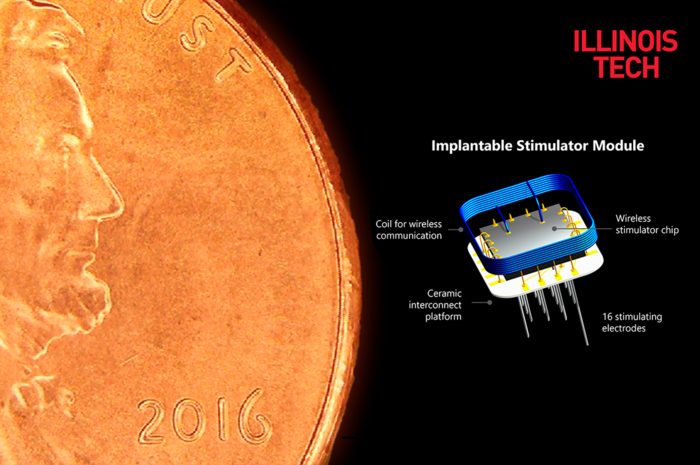
Researchers in the US have moved one step closer to restoring partial vision in individuals who have lost their sight. The scientists successfully implanted Intracortical Visual Prosthesis (ICVP), which bypasses the retina and optic nerves to connect to the brain’s visual cortex. Many people with total blindness do not have intact retina or optic nerves [...]
The UK Health Security Agency (UKHSA) has launched a new service that aims to make it easier for people with sight loss to take rapid flow tests at home. The Be My Eyes app connects people with low to moderate vision with agents from 119 via video call. NHS Test and Trace staff can help [...]
A Northumbria University researcher is to investigate the impact of pain in people with Parkinson’s disease with a view to improving how this pain is managed. Dr Jenni Naisby, a Senior Lecturer in the Department of Sport, Exercise and Rehabilitation, will receive around £300,000 in fellowship funding from the Medical Research Foundation. Pain affects around [...]
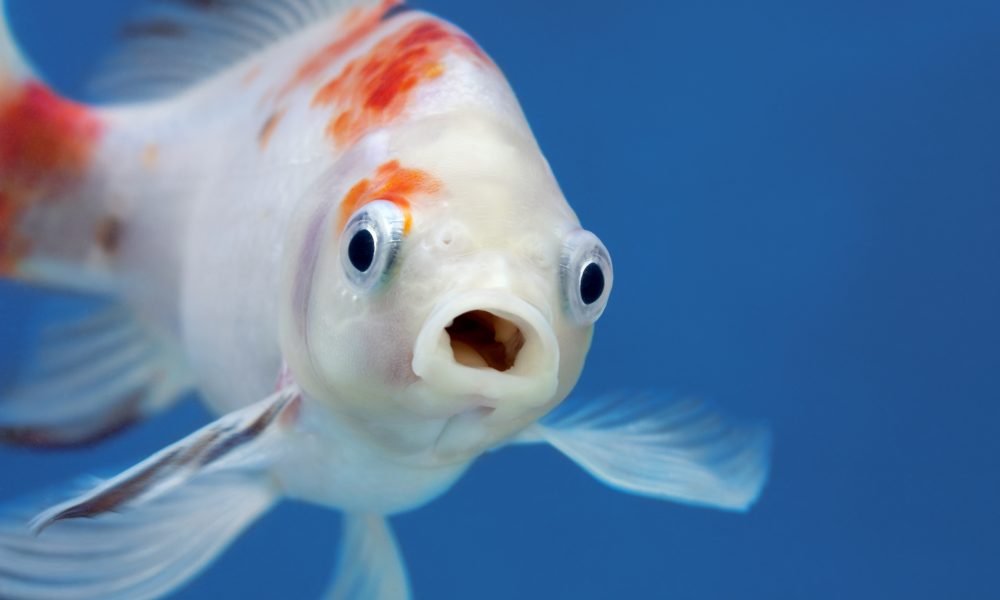
A groundbreaking project involving artificial fish and cells from a human heart could advance heart treatments such as pacemakers. Researchers at Harvard University and Emory University built ‘biohybrid fish’ using paper, plastic, gelatin and two strips of heart muscle cells. When the cells contracted, the tails flapped from side to side, powering the fish through [...]