Research

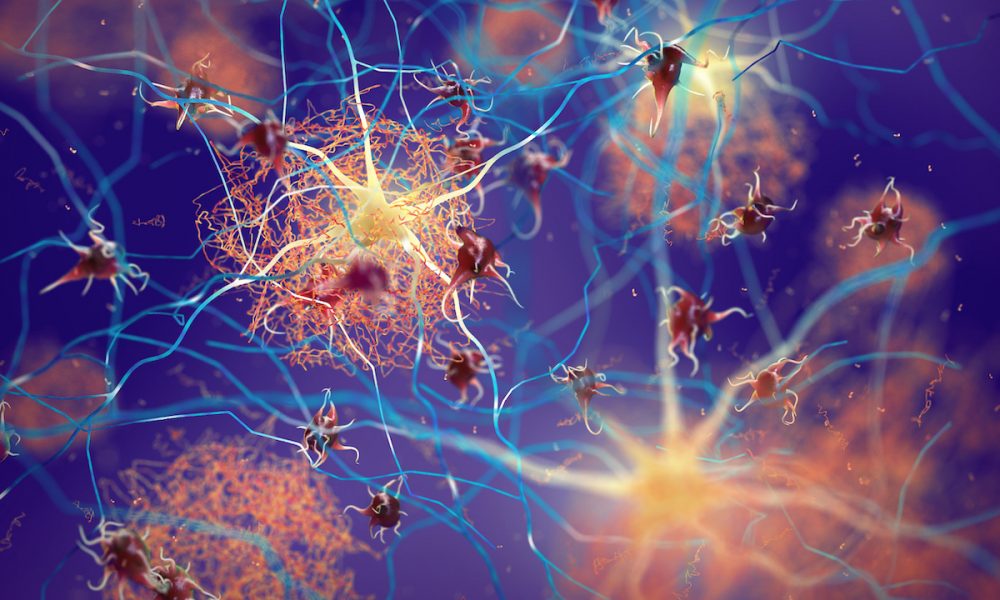
‘Single-cell profiling’ is helping neuroscientists see how disease affects major brain cell types and identify common, potentially targetable pathways. After decades of fundamental scientific and drug discovery research, Alzheimer’s disease has remained inscrutable and incurable, with a bare minimum of therapeutic progress. But in a new review article in Nature Neuroscience, MIT scientists write that [...]
Long-term care facilities should prioritise part-time employees in order to boost consistency of care, new research shows. In the United States, a multi-billion-dollar industry employs nurses and nursing assistants to provide long-term care in facilities such as nursing homes, residential care facilities, and home health agencies. A new study examined how these facilities — some [...]
A new perspective article has highlighted that screening and treatment of osteoporosis lags behind other diseases, resulting in significant morbidity, mortality, and economic costs. Over the past 30 years, there has been tremendous progress in the ability to diagnose osteoporosis, a disease that was once considered an inevitable consequence of aging that weakens bones and [...]
An innovative programme that trains community health workers to deliver hearing care has shown success among low-income older adults. A first-of-its-kind programme, that trains trusted older adult community health workers to fit and deliver low-cost hearing technology to peers with hearing loss significantly improved communication function among participants. This is according to the results of [...]
A class of fat molecules known as ceramides play a fundamental role in ageing muscle, according to new findings, and could be vital in maintaining health and longevity. During ageing, mice, like humans, become inactive and lose muscle mass and strength. A team of scientists led by Johan Auwerx at EPFL have now discovered that [...]
Global healthcare company, Eisai, is collaborating with a leading US university to research potential new treatments for Alzheimer's and Parkinson’s disease. The Japan-based pharmaceutical company and Washington University School of Medicine in St. Louis have entered into a research collaboration agreement aiming to create potential novel treatments for neurodegenerative disorders, including Alzheimer's and Parkinson's disease. [...]
Researchers have discovered that the protein, suPAR, can cause atherosclerosis and kidney disease, raising hope for potential new treatments. For the longest time, clinicians have treated cardiovascular disease by focusing on diabetes and blood pressure control, reducing cholesterol using medications like aspirin and statins. Despite these measures, heart disease remains the number one cause of [...]
Researchers say the treatments proved largely ineffective in their supposed impact on ageing.
A new study followed more than 7,000 middle aged and older Canadians to identify the factors linked to wellbeing as we age.
It is hoped that the research will lead to better clinical diagnosis of neurodegenerative disorders.