Research

New research suggests that social isolation is a risk factor for dementia in older adults, but access to basic tech could be one way to reduce the risk. Two studies from Johns Hopkins University School of Medicine and Bloomberg School of Public Health, have significantly added to evidence that social isolation is a substantial risk factor [...]
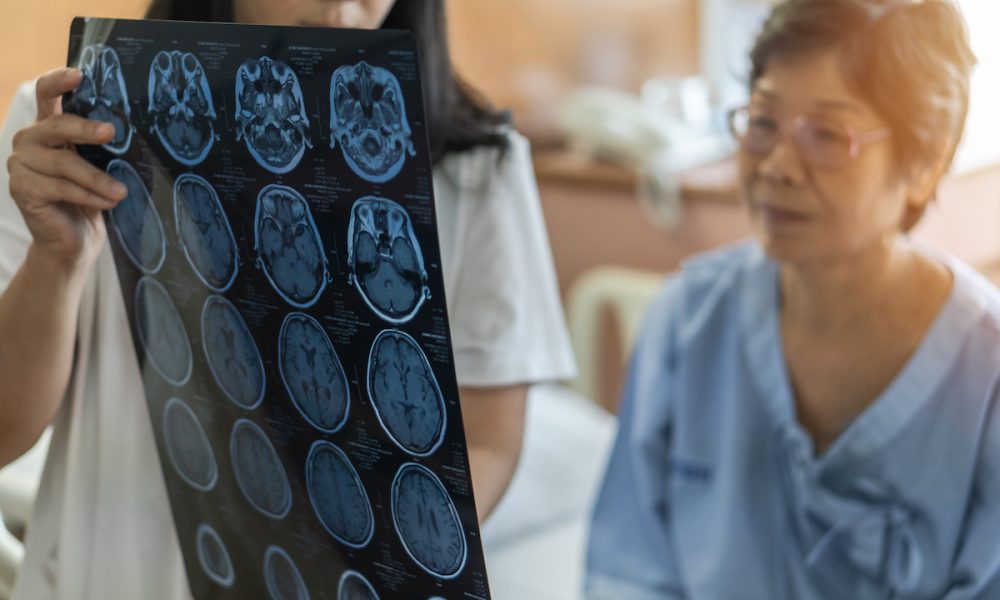
After 40 years of decline, stroke death rates appear to be on the rise again according to new analysis from the US. A Rutgers analysis of U.S. stroke deaths from 1975 to 2019 has found both a dramatic decline and the potential for an important resurgence. Stroke mortality (per 100,0000) plummeted from 88 to 31 [...]
Targeting specific fall-risk factors could improve fall screening and prevention strategies.
New findings may represent promising strategies for promoting muscle function during ageing. Proven to protect against a wide array of diseases, exercise may be the most powerful anti-ageing intervention known to science. However, while physical activity can improve health during ageing, its beneficial effects inevitably decline. The cellular mechanisms underlying the relationship among exercise, fitness [...]
The Rostock International Parkinson's Disease Study (ROPAD) is an epidemiological study on the role of genetics in Parkinson's.
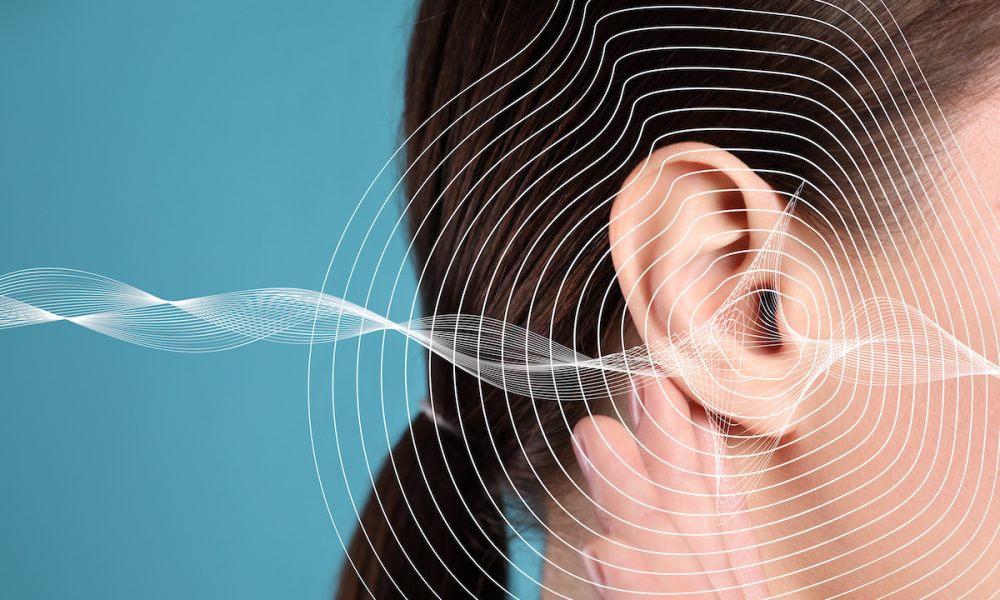
Findings highlight potential benefit of hearing aids
Researchers believe that a new technique for monitoring blood flow to the brain could revolutionise medicine for doctors and patients worldwide. Monitoring the proper blood supply to the brain is crucial, not only to prevent neurological diseases but also to treat them. The parallel near-infrared interferometric spectroscopy technique (πNIRS), could make life easier for doctors [...]
Singing-based group rehabilitation can support communication and speech production in stroke patients, according to a recent study. Language function and the psychosocial wellbeing of patients and their families can be promoted with singing-based rehabilitation. Group intervention provides opportunities for peer support while being simultaneously cost effective. Approximately 40% of stroke survivors experience aphasia, a difficulty [...]
Could the AI algorithms behind ChatGTP help doctors detect Alzheimer’s disease?
NIH findings may provide early clues about increased risks for advanced biological ageing and premature death.