Research

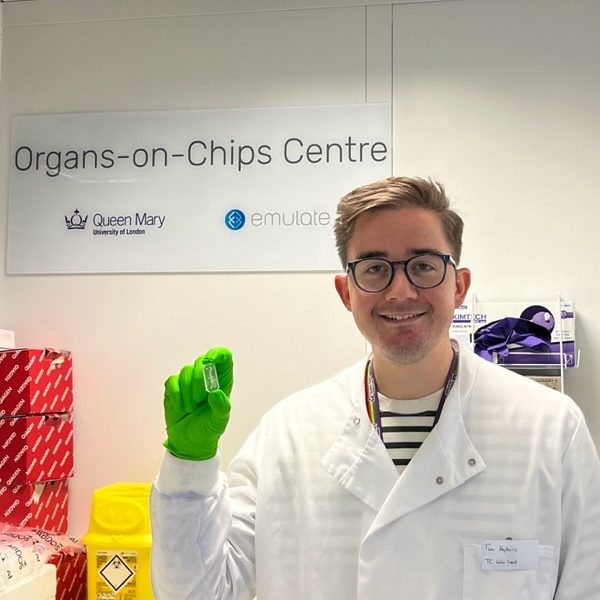
Researchers have developed a new 'organ-on-a-chip' model of the human synovium, a membrane-like tissue that lines the joints. The model, published in the journal Biomedical Materials, could help scientists to better understand the mechanisms of arthritis and to develop new treatments for the group of debilitating diseases. Across the globe, more than 350 million people [...]
The thymus, a small and relatively unknown organ, may play a bigger role in the immune system of adults than was previously believed, according to a recent study. Researchers from Linkoping University in Sweden have found that with age, the glandular tissue in the thymus is replaced by fat and the level of its degeneration [...]
A new study shows how much damage Dementia does to a person’s finances – as well as the higher demands it places on their family members. People diagnosed with dementia saw their out-of-pocket spending for health care more than double and their net worth decline by more than 60 per cent within the first eight [...]
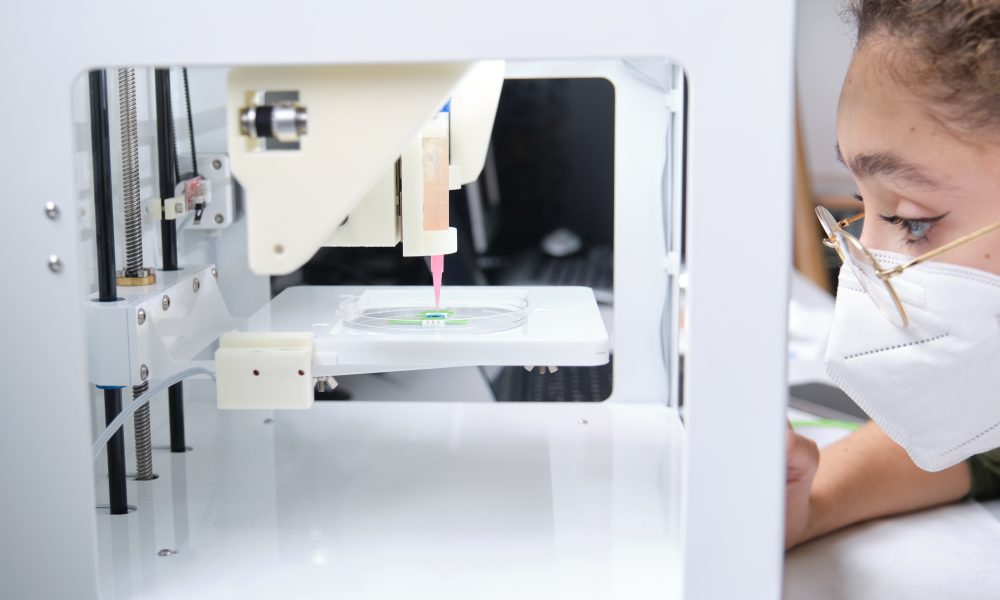
An international team of researchers has created a method for better 3D modelling of complex cancers. The Canadian University of Waterloo-based team has combined modern bioprinting techniques with synthetic structures or microfluidic chips. This method will help lab researchers more accurately understand heterogeneous tumours - those with more than one kind of cancer cell, often [...]
Immersive virtual reality may ease the pain and distress felt by patients with cancer, suggests a new analysis of published evidence. According to the study, published in BMJ Supportive & Palliative Care, patients were happy to use immersive virtual reality and it helped those with cancer, dementia, cardiovascular disease, MS and kidney disease cope better [...]
How do muscles weaken and can this decline be slowed? Stanford researchers are seeking an answer. It’s estimated that sarcopenia, which is characterised by debilitating muscle frailty, affects about 30 per cent of people over 80 and costs the US around $380 billion each year. But Stanford Medicine researchers are working towards a deeper understanding [...]
There are currently no approved drug treatments for sarcopenia despite it affecting up to half of people aged over 80 years. A 6-week clinical proof-of-mechanism study examining RJx-01, a novel combination drug comprising galantamine and metformin, has demonstrated positive results among 42 elderly subjects. The drug is developed by Beligium-based firm, Rejuvenate Biomed, a clinical-stage [...]
A team of researchers in South Korea has achieved a "significant breakthrough" in the treatment of age-related diseases. Technology developed by scientists at the Department of Chemistry at UNIST and Konkuk University offers a promising new approach to treating age-related diseases. The technology works by selectively removing ageing cells without harming normal healthy cells. The [...]
Being diagnosed with type 2 diabetes by the age of 30 could see life expectancy fall by as much as 14 years, according to an international team of researchers. Published in The Lancet Diabetes & Endocrinology, the study emphasises a pressing need to develop and implement interventions that prevent or delay the onset of diabetes. [...]
A new UK-led research consortium has been formed to tackle one of the biggest challenges currently facing the world: healthy ageing. The global partnership will bring together six UK organisations and 14 US and Canadian institutions to explore how humans age, with the aim of developing new interventions to support healthy ageing. UK Research and [...]