Research

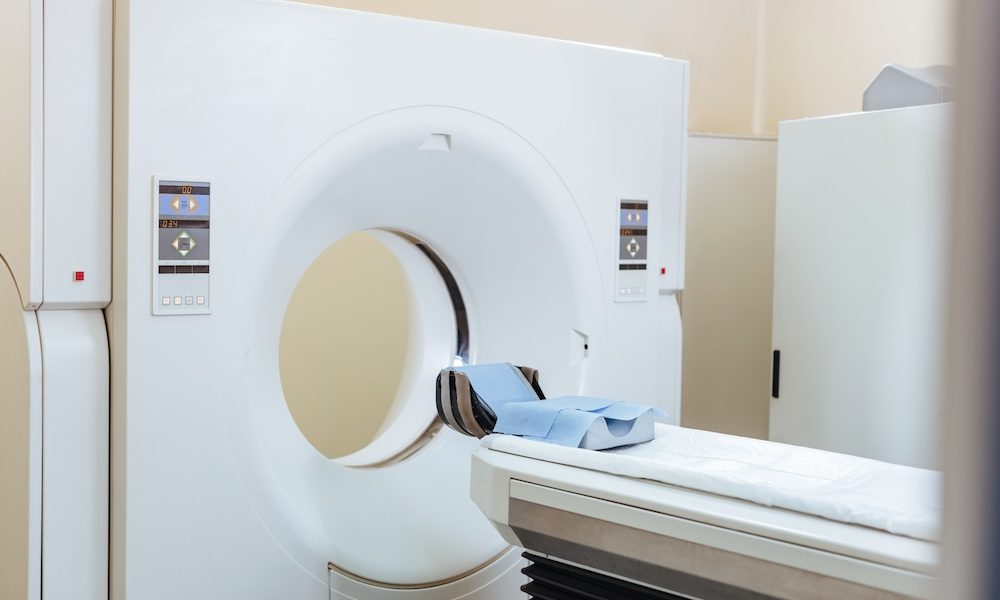
A recent international study that pooled brain scans and memory tests from thousands of adults has shed new light on how structural brain changes are tied to memory decline as people age. The findings show that the connection between shrinking brain tissue and declining memory is nonlinear, stronger in older adults, and not solely driven [...]
While a healthy lifestyle with regular exercise can improve longevity, the key to ageing well is determined by the brain, says a new paper. Published earlier this month and entitled: ’The Brain Is the Rate-Limiting Organ of Longevity’ it contends that ‘Longevity is not limited by how long the body survives, but by how long [...]
Biological age testing pioneer GlycanAge plans to use the cash raised from its recent US$8.7m funding round to expand its reach, explore additional bio-marking capabilities of its unique technology and fund its recently-opened Californian lab. Agetech World editor Peter McCusker met Jonathan White, head of its UK office, to find out more. GlycanAge was founded [...]
Non-invasive sound stimulation altered Alzheimer’s-linked proteins in aged monkeys in a recent study, with effects lasting more than five weeks. Alzheimer’s involves abnormal amyloid proteins that form plaques and damage synapses, the junctions between nerve cells. Cerebrospinal fluid is the liquid that bathes the brain and spinal cord. In a study of nine rhesus macaques [...]
Veteran male athletes may face higher heart risk during exercise if they have existing heart scarring, new research suggests. The study found that male endurance athletes aged over 50 were more likely to experience abnormal heart rhythms during training if scarring was present. Nine in 10 sudden cardiac deaths during sport occur in older male [...]
Childhood exposure to indoor air pollution may have long-term effects on brain health, with cognitive impairment appearing decades later, new research suggests. The study analysed data from over 7,000 Chinese adults aged 45 and above using machine learning techniques. Nearly 30 per cent of the global population, roughly 2.4bn people, still cook without clean fuels [...]
The longer someone has type 2 diabetes, the higher their cardiovascular disease risk, and changes in red blood cells may help explain it, new research suggests. The study found red blood cells from patients with long-term diabetes harmed blood vessel function, while no such effect was seen in those newly diagnosed. After seven years of [...]
Routine vaccines for adults may reduce dementia risk, a review of more than 100 million people suggests. The research found both flu and shingles vaccines were associated with a lower risk in adults aged 50 and over. The shingles (herpes zoster) jab was linked to a 24 per cent lower risk of any dementia and [...]
Weaker, fragmented body clocks are linked to higher dementia risk, new research suggests. The study also found that people whose activity levels peaked later in the day, rather than earlier, faced a higher risk. Circadian rhythm is the body’s internal clock, regulating the 24-hour sleep-wake cycle and other processes including hormones, digestion and body temperature. [...]
Agetech World explores the latest business developments in the world of ageing and longevity. AI app tackles dementia-related loneliness Amicus Brain Innovations has launched Amicus INTERACT. The AI-powered app is designed to provide real-time guidance that enables meaningful conversations and helps reduce the social isolation often caused by memory loss and communication challenges. As dementia [...]