Research

Rapid side-to-side eye movements can help stabilise posture, avoid falls and maintain balance for people with Parkinson’s disease, just as they can for healthy people. This seemingly counterintuitive conclusion was reached by researchers at São Paulo State University (UNESP) in Brazil and the University of Lille in France in a study supported by FAPESP. An [...]
Researchers have been collaborating to develop compounds to treat dry age-related macular degeneration (AMD) and Stargardt disease - both blindness-causing diseases. The team’s work has led to the discovery of an advanced preclinical candidate. Now, Cioffi and Petruhkin have received a $6.4 million grant over five years from the National Institutes of Heath’s National Eye Institute [...]
Humans aren’t the only ones who grow forgetful as they age — fruit flies do, too. But because fruit flies have a lifespan of only about two months, they can be a useful model for understanding the cognitive decline that comes with ageing. A new study shows that when a common cell structural protein called [...]
Research has shown that the diabetes drug Ozempic has a positive effect in chronic kidney disease and obesity. This is the first time that it has been shown that this diabetes drug, now best known as a means of losing weight, is also effective for patients with chronic kidney damage. The international study led by [...]
A new study from UT Arlington reveals that setting reminders can eliminate some age-related declines in memory. The findings offer a significant breakthrough in addressing the cognitive challenges faced by older adults, particularly in the context of prospective memory, which is the ability to remember to perform an intended action at the right moment, like taking medication [...]
Scientists have uncovered a complex interplay between liver X and thyroid hormone receptors, offering new therapeutic possibilities for neurodegenerative disorders. In a comprehensive researchers have unveiled fresh insights into how two types of hormone receptors collaborate to maintain brain health and potentially prevent neurodegenerative diseases. The study, led by the University of Houston and Karolinska [...]
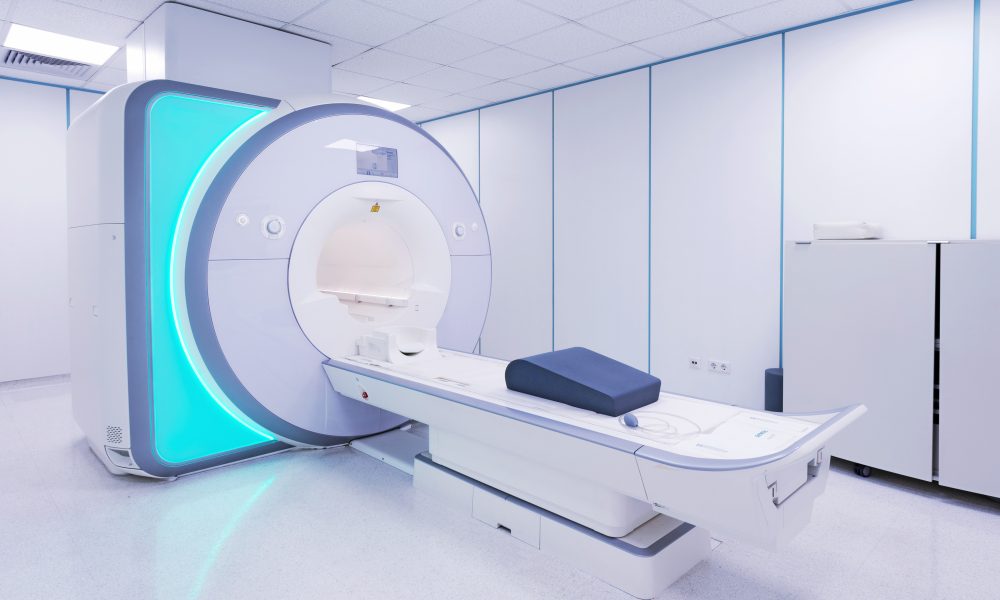
Magnetic resonance imaging (MRI) can spare many patients with rectal cancer from invasive surgery that can carry lifelong side effects, new research indicates. The findings, from the University of Virginia's (UVA) Cancer Centre, indicate that MRI can predict patient outcomes and the risk of the tumour recurring or spreading for patients who have undergone chemotherapy [...]
The National Institutes of Health awarded University of Arkansas assistant professor of biomedical engineering Christopher Nelson a little more than $1.8 million to study the long-term efficacy of gene therapy. The five-year award will be used to consider the genetic and cellular determinants that may be limiting the success of new gene therapies. The ultimate [...]
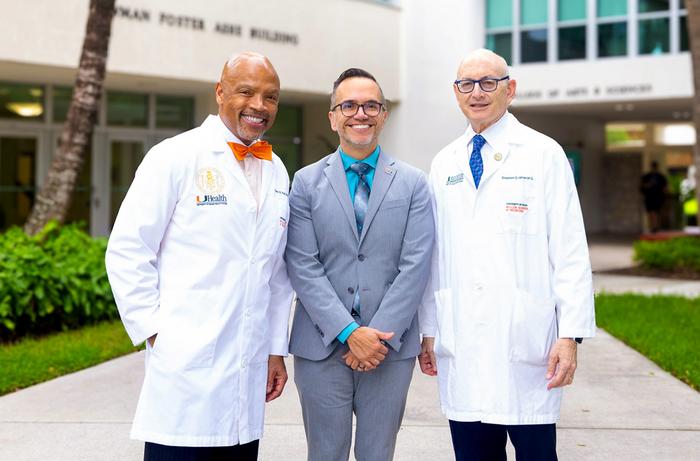
The University of Miami is investing more than US$30m into "basic science research" targeting links between neuroscience and ageing. The investment over the next five years will create a new programme in computational biology within the Leonard M. Miller School of Medicine and build collaborations across multiple university departments and institutes. While translational medicine, the [...]
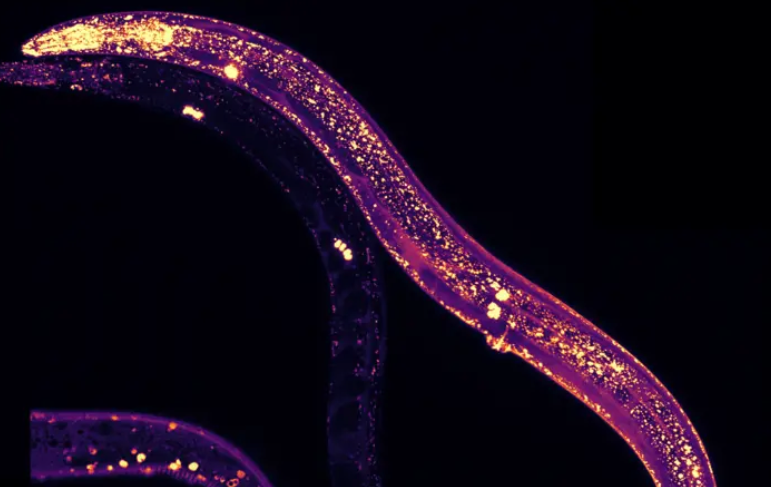
Researchers have discovered a previously unknown cell-protecting function of a protein, which could open new avenues for treating age-related diseases and lead to healthier aging overall. The study has found that a class of protective proteins known as MANF plays a role in the process that keep cells efficient and working well. The findings appear [...]