Research

Music therapy could offer an alternative to medication for distress in dementia patients, with NHS trials reporting improvements in wellbeing and reduced agitation. The MELODIC music therapy manual was piloted on two NHS dementia wards, where therapists delivered clinical sessions and developed personalised music care plans. Led by Anglia Ruskin University and Cambridgeshire and Peterborough [...]
Exposure to “forever chemicals” used in everyday items may raise the risk of type 2 diabetes by 31 per cent, according to new research. The study analysed blood samples from 360 people to measure levels of per- and polyfluoroalkyl substances (PFAS) – synthetic compounds widely used in products such as non-stick cookware, waterproof clothing and [...]
A new genetic scoring tool may help identify children at risk of adult obesity, offering earlier opportunities for prevention before other risk factors develop. Researchers developed a system that analyses thousands of genetic variations to produce a polygenic risk score (PGS) – a measure combining the effects of multiple genes linked to weight. Using data [...]
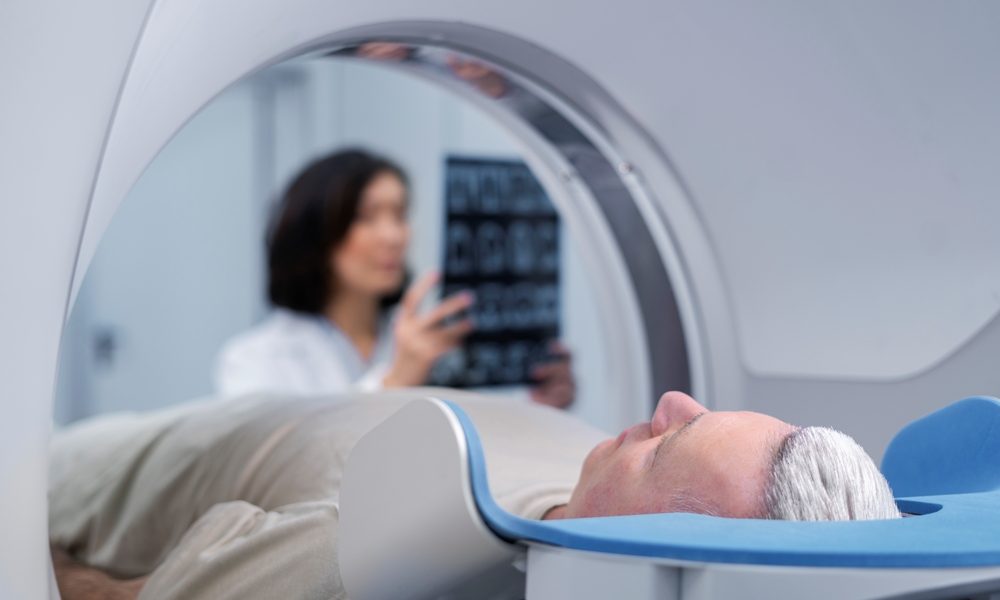
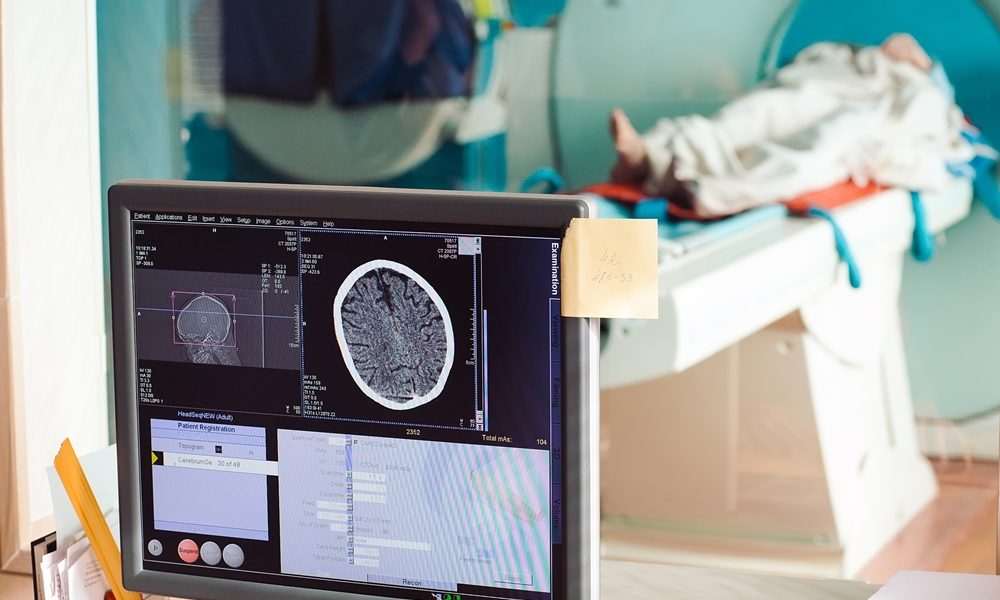
A portable brain scanner being trialled in Kent could help speed up dementia diagnosis by bringing scans into local clinics rather than relying on hospital visits. The low-field MRI machine is smaller, cheaper and more portable than traditional hospital scanners, potentially enabling quicker and more accessible assessments in community settings. Led by Kent and Medway [...]
Exposure to air pollution in midlife may slow thinking and cause brain changes in later life, potentially affecting cognitive health as people age. A 26-year study tracked 1,761 people aged 45 and over, assessing their exposure to air pollutants and testing their cognitive function at four points between ages 43 and 69. Researchers from King’s [...]
A simple skin test could detect Parkinson’s up to seven years before symptoms emerge, researchers say. The work builds on a discovery by Joy Milne, a retired nurse with an unusually strong sense of smell, who noticed a distinct odour on her husband years before his Parkinson’s diagnosis. Scientists from the University of Manchester examined [...]
A new MRI-based tool can estimate how fast someone is ageing and predict their risk of chronic illness decades before symptoms appear, scientists have said. The system identifies age-related conditions such as dementia by analysing health markers picked up in brain scans taken in midlife. It could help flag people at higher risk while there [...]
Trained dogs have identified Parkinson’s disease from skin swabs with up to 98 per cent accuracy, even before symptoms appear, a new study has found. In a double-blind study using more than 200 samples, scent-detection dogs were able to distinguish people with Parkinson’s from healthy individuals and those with other conditions. The results suggest the [...]
An AI model uncovered a 46 per cent drop in cognitive decline among early-stage Alzheimer’s patients when reanalysing data from a previously unsuccessful drug trial. Scientists used artificial intelligence to split trial participants into two groups based on how quickly their condition was progressing. The reassessment revealed the drug slowed symptoms in those with early-stage, [...]
Denmark offers the most favourable conditions for slower ageing and healthier later life, new research across 40 countries has found. The international study, which analysed data from over 160,000 people, found that where someone lives can significantly influence how fast they age biologically. Researchers used artificial intelligence to estimate biological age based on environmental and [...]