Dogs detect Parkinson’s with high accuracy
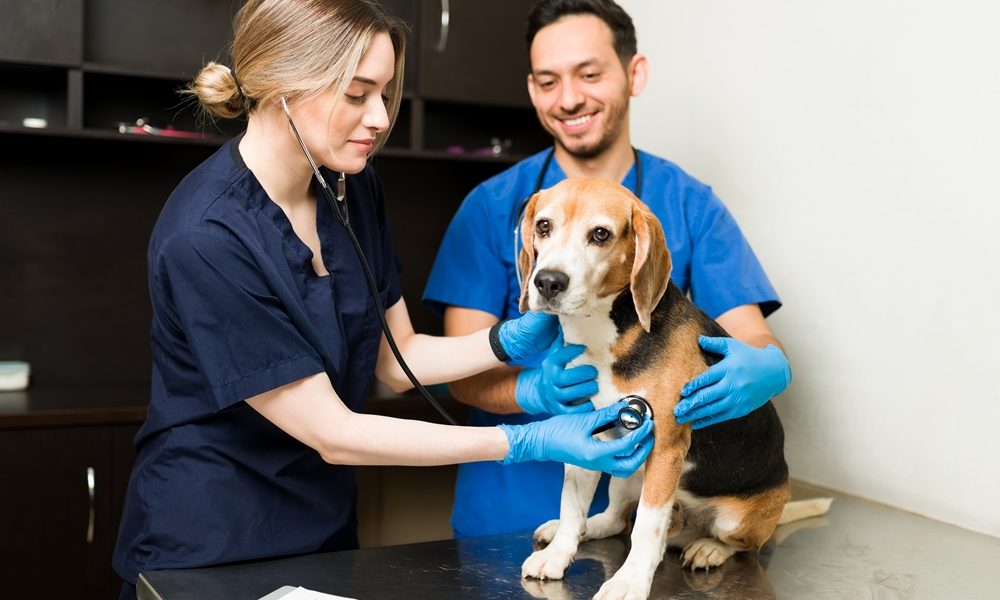
Trained dogs have identified Parkinson’s disease from skin swabs with up to 98 per cent accuracy, even before symptoms appear, a new study has found.
In a double-blind study using more than 200 samples, scent-detection dogs were able to distinguish people with Parkinson’s from healthy individuals and those with other conditions. The results suggest the disease has a specific scent signature, offering potential for faster, non-invasive diagnosis years earlier than current methods allow.
The research was carried out by Medical Detection Dogs in partnership with the Universities of Bristol and Manchester. Two dogs – a golden retriever named Bumper and a black labrador called Peanut – were trained to recognise the difference in smell between skin oil (sebum) samples from people with Parkinson’s and those without.
In testing, the dogs achieved up to 80 per cent sensitivity and up to 98 per cent specificity. Sensitivity is the ability to correctly identify positive cases, while specificity measures how well negative samples are excluded.
The dogs maintained their performance even when samples came from individuals with additional health conditions, indicating they were responding to a Parkinson’s-specific scent profile.
The training involved more than 200 sebum samples collected from both Parkinson’s patients and healthy controls, presented on a specialised sample stand. The dogs were rewarded for correctly identifying positive samples or accurately ignoring negative ones.
In the double-blind testing phase, only a computer knew the layout of the samples. Each line was presented in reverse order if a dog made no decision. Unsearched samples were then grouped into new lines until decisions were made for all.
The findings support earlier anecdotal reports of people detecting changes in a loved one’s smell before Parkinson’s was diagnosed. Researchers believe the disease produces unique volatile organic compounds that dogs can detect through their highly sensitive sense of smell.
Current diagnostic methods focus mainly on motor symptoms such as tremors, stiffness and slowness of movement, which often appear after significant brain cell loss. Earlier detection could help initiate treatment when it may be more effective in slowing progression.
Researchers say the results could lead to the development of electronic sensors that mimic dogs’ scent-detection ability, potentially creating fast, non-invasive screening tools for use in clinical settings.