News

A new funding programme has been launched in Canada to find innovative solutions to enable living well longer, as the country's aging population grows rapidly. The Centre for Aging + Brain Health Innovation (CABHI) has launched Ignite, its new funding programme to support Canadian innovators designing solutions for older people. As Canada’s aging population rapidly [...]
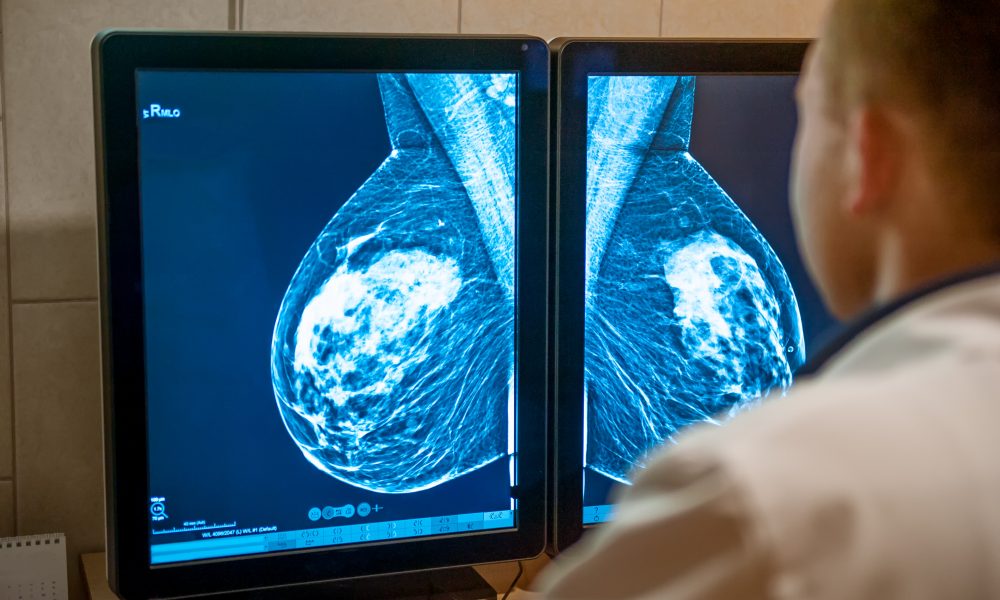
Women aged 50 to 70 across England are being urged to take up invitations to breast screening as the NHS redoubles its bid to reach millions of women not yet taking up the potentially life-saving offer. Last year alone, NHS breast screening services detected cancers in 18,942 women across England, which otherwise may not have [...]
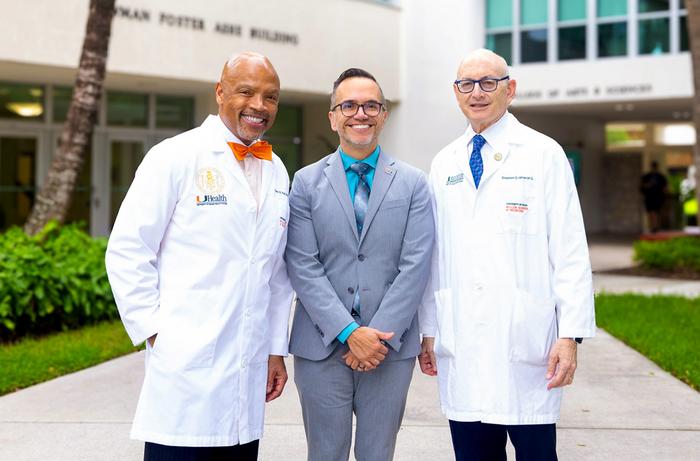
The University of Miami is investing more than US$30m into "basic science research" targeting links between neuroscience and ageing. The investment over the next five years will create a new programme in computational biology within the Leonard M. Miller School of Medicine and build collaborations across multiple university departments and institutes. While translational medicine, the [...]
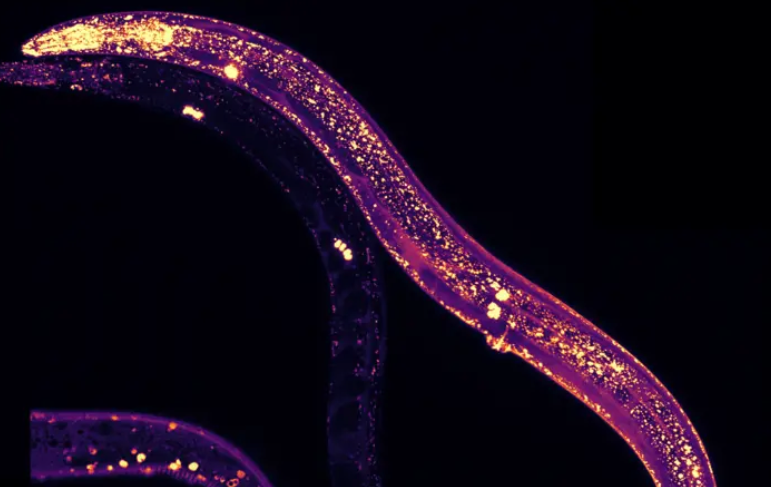
Researchers have discovered a previously unknown cell-protecting function of a protein, which could open new avenues for treating age-related diseases and lead to healthier aging overall. The study has found that a class of protective proteins known as MANF plays a role in the process that keep cells efficient and working well. The findings appear [...]
A new study could spur the development of new and improved treatments for Hutchinson-Gilford progeria syndrome (HGPS), a rare genetic disorder with no known cure that causes accelerated ageing in children. The study identified a protein linked to the cardiovascular health of animal models with progeria that could translate to human treatments. Heart failure and [...]
British techbio company Etcembly is teaming up with researchers and clinicians from the University of Surrey to launch a new study aimed at transforming the future of cancer treatment. By analysing the immune cells of cancer survivors, this research could reveal untapped targets that could deliver the next generation of immunotherapies. In recent years, treatments [...]
A global coalition of experts has drawn up a roadmap for how any country can cut the chance of premature death for its citizens in half by 2050. Since 1970, 37 countries have cut the probability of their citizens dying before they reach age 70 in half. But the new report argues that this goal [...]
Higher levels of HDL-C—known as the “good cholesterol”—have been shown to correlate with heightened risk for Alzheimer’s disease. A new study, published in the Journal of Clinical Endocrinology & Metabolism might, explain why. Once women reach the menopause transition, it’s a matter of the quality, rather than quantity, of the total cholesterol carried by HDL [...]
Being a teenager is hard, confusing — and crucially important. Scientists studying teenage socialising have found that teenaged friendships could lay essential foundations for wellbeing in later life, and that not just the kinds of friendships teenagers experience but the timing of those friendships is critical. Emily Shah of the University of Arkansas is first [...]
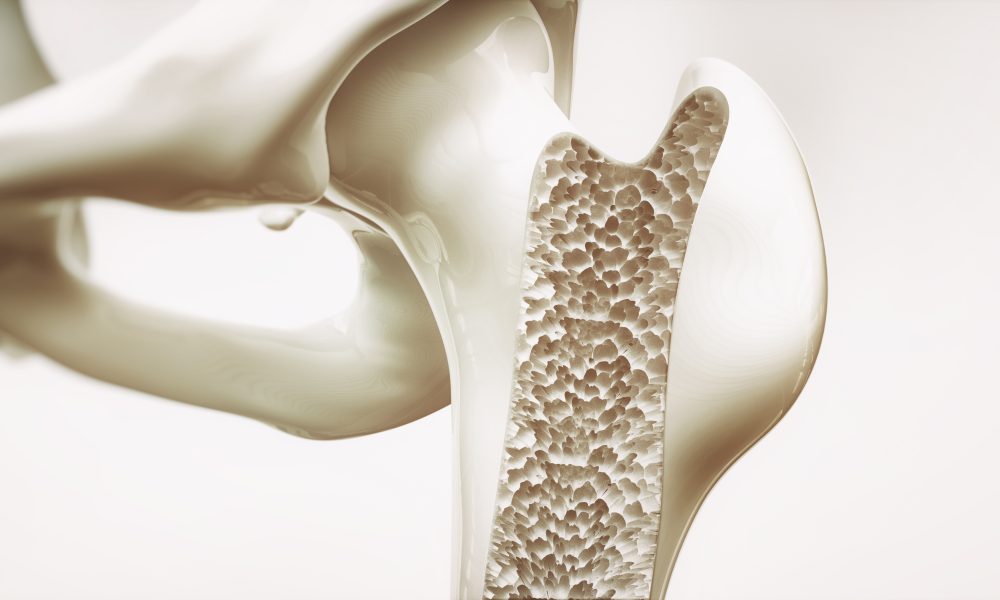
Scientists have identified a protein that blocks the activity of bone-forming cells (osteoblasts) by stopping them from maturing during the journey to sites of bone formation, a new study has found. In a paper published in Communications Biology, a team of researchers have found that protein CLEC14A, which is found on blood vessel cells called [...]