News

Children whose mothers took extra vitamin D during pregnancy continue to have stronger bones at age seven, according to new research led by the University of Southampton and University Hospital Southampton (UHS). Bone density scans revealed that children born to mothers who were given vitamin D supplements during pregnancy have greater bone mineral density in [...]
Two researchers from The University of Texas at Dallas’ Center for Vital Longevity (CVL) have received a five-year grant from the National Institutes of Health (NIH) to expand their study of brain structure, function and cognition across time through the use of powerful high-resolution imaging. Psychology professors Dr. Kristen Kennedy and Dr. Karen Rodrigue in the School of Behavioral and Brain Sciences were awarded $3.7 [...]
New research from the University of Toronto found that childhood neglect, even in the absence of childhood sexual abuse and physical abuse, is linked with a wide range of mental and physical health problems in adulthood. The researchers found significant associations between childhood neglect and numerous health problems in adults when controlling for age, sex [...]
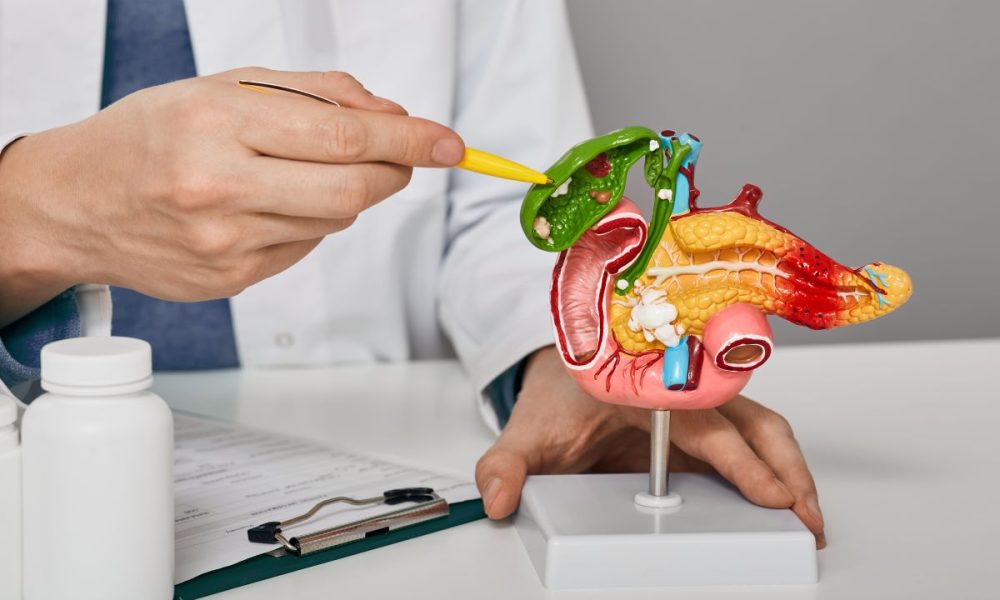
While pancreatic cancer rates are rising in people under age 50, a new survey conducted by The Ohio State University Comprehensive Cancer Center – Arthur G. James Cancer Hospital and Richard J. Solove Research Institute (OSUCCC – James) shows most people continue to believe that pancreatic disease affects only the elderly – and that there [...]
Many studies suggest that an earlier age at menopause is more detrimental to a woman’s health, leading to an increased risk for adverse health conditions such as heart disease, diabetes, osteoporosis, and depression, among others. However, a new study is linking a later age at natural menopause with a greater risk for asthma. Asthma is a common, [...]
Becoming less sociable protects older monkeys from getting ill, new research shows. Many animals, including humans, are known to experience “social ageing” – reductions in their number of social connections as they get older. But why this happens remains a mystery. The new study, led by the universities of Exeter and Edinburgh, used long-term data [...]
New light has been shed on the factors that keep some immune systems youthful and effective in warding off age-related diseases. USC Stem Cell scientist Rong Lu and her collaborators point the finger at a small subset of blood stem cells, which make an outsized contribution to maintaining either a youthful balance or an age-related [...]
Scientists have uncovered a complex interplay between liver X and thyroid hormone receptors, offering new therapeutic possibilities for neurodegenerative disorders. In a comprehensive researchers have unveiled fresh insights into how two types of hormone receptors collaborate to maintain brain health and potentially prevent neurodegenerative diseases. The study, led by the University of Houston and Karolinska [...]
The Medicines and Healthcare products Regulatory Agency (MHRA) has today, 23 October 2024, approved a licence for the medicine donanemab (Kisunla) for use in the early stages of Alzheimer’s disease, following a thorough review of the benefits and risks. Donanemab works by removing a sticky protein called beta-amyloid from the brain that is believed to [...]
Magnetic resonance imaging (MRI) can spare many patients with rectal cancer from invasive surgery that can carry lifelong side effects, new research indicates. The findings, from the University of Virginia's (UVA) Cancer Centre, indicate that MRI can predict patient outcomes and the risk of the tumour recurring or spreading for patients who have undergone chemotherapy [...]