News

A biotechnology company developing a wearable, drug-free treatment for Alzheimer’s has raised US$1.33m in the first stage of a planned US$5m equity round. NeuroEM Therapeutics is working to commercialise a cap that delivers electromagnetic pulses to the brain as a way of slowing or reversing cognitive decline. The equity round was led by BlueLake.vc, with [...]
A woman living with Alzheimer's disease has said dementia research has suffered a "devastating blow" after a new treatment was rejected for use by NHS Scotland. Donanemab, a drug designed to slow the onset of dementia, works by targeting one of the causes of the disease, rather than just treating its symptoms. But the Scottish [...]
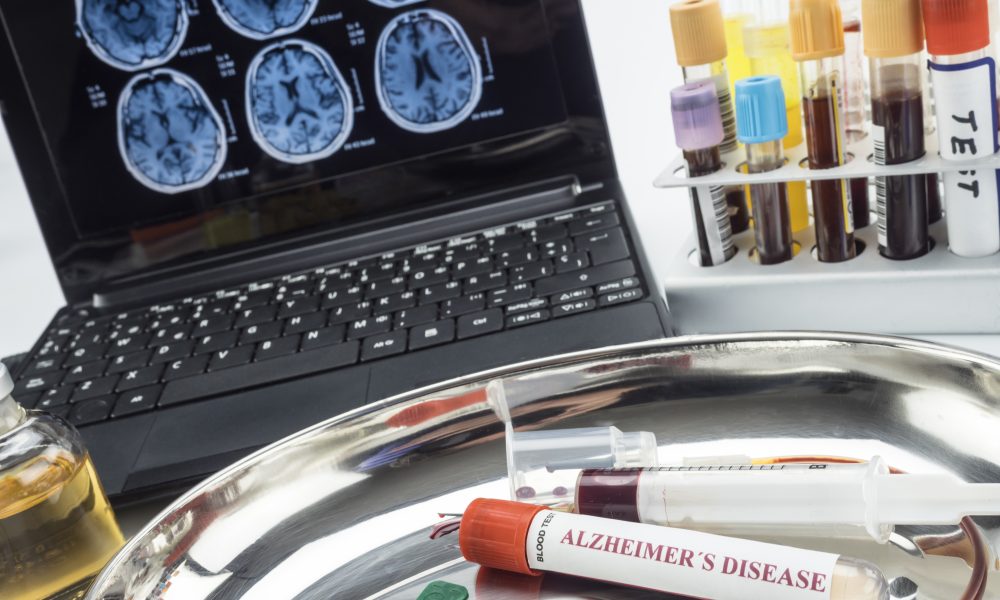
A new blood test for Alzheimer’s disease can accurately identify people with early symptoms by examining two key proteins in blood plasma. The test, which has been approved by the US Food and Drug Administration (FDA), showed 95 per cent sensitivity in picking up people with memory problems—meaning it correctly identified the vast majority of [...]
Children from less affluent families may be ageing faster at a biological level than their wealthier peers, according to a new study. Researchers from Imperial College London analysed data from 1,160 children aged between six and 11 from across Europe. The study, published in The Lancet, measured biological markers associated with ageing and stress. Children [...]
Antidepressants, taken by around 8.6 million people in the UK, may increase the risk of motor neurone disease (MND) by up to 26 per cent, according to a major study. Scandinavian researchers also found an increased risk linked to other commonly prescribed drugs, including anxiolytics (used to treat anxiety disorders), sedatives, and sleeping pills. Motor [...]
To help address the eldercare challenge, a team of MIT engineers is looking to robotics. They have built and tested the Elderly Bodily Assistance Robot, or E-BAR, a mobile robot designed to physically support the elderly and prevent them from falling as they move around their homes. The United States population is older than it [...]
Palliative care may help relieve symptoms and improve quality of life for people with cardiovascular disease and ensure that treatment is aligned with the patient’s personal beliefs and values throughout all stages of illness, according to a new American Heart Association scientific statement. This applies whether they are hospitalised in a cardiac intensive care unit or receiving [...]
Increasing the ratio of dietary potassium to sodium intake may be more effective for lowering blood pressure than simply reducing sodium intake, according to new research from Canada. High blood pressure affects over 30 per cent of adults globally. It's the leading cause of coronary heart disease and stroke and may also lead to other [...]
Wearable mobile health technology could help people with Type 2 Diabetes (T2D) to stick to exercise regimes that help them to keep the condition under control, a new study reveals. An international team studied the behaviour of recently-diagnosed T2D patients in Canada and the UK as they followed a home-based physical activity programme, with some [...]
Having lost a great deal of weight appears to offer some protection against ill health even for those who have regained some of their weight loss, new research has found. The study focused on the health consequences of regaining some weight following significant weight loss, an area in which scientific knowledge is limited. Kajsa Sjöholm is [...]