Medtech / devices

A Japanese mobile health app that turns daily steps into shopping coupons or train tickets helped users walk over 600 extra steps a day, research shows. The study examined HealthSmart-Senboku, a mobile health (mHealth) app developed for residents and visitors of Senboku New Town in Japan. It offers two types of digital incentives: step counts [...]
Age Tech World explores the latest business developments in the world of ageing and longevity. Klotho Neurosciences to expand development programmes beyond neurology Klotho Neurosciences has announced that it is evaluating the acquisition of several complementary technologies aimed at supporting healthy brain function, organ health, and longevity. In addition to its core programmes targeting brain [...]
Klotho Neurosciences is exploring new technologies to support brain function, muscle strength, bone health and other key indicators of ageing. The NASDAQ-listed biogenetics company said it plans to move beyond its core focus on brain ageing and neurodegenerative diseases such as ALS, Alzheimer’s and Parkinson’s. It is now evaluating technologies that complement its anti-ageing Klotho [...]
Shoulder Innovations is planning to raise around US$100m in an IPO as it looks to expand its orthopaedic implant business in the US and globally. The company will offer 5 million shares on the New York Stock Exchange, priced between US$19 and US$21 each, and will trade under the ticker SI. Founded in 2009, Shoulder [...]
Avalyn Pharma has raised US$100m in new funding to develop inhaled therapies for rare lung diseases including pulmonary fibrosis. The clinical-stage biopharmaceutical company, formerly known as Genoa Pharmaceuticals, has now raised around US$300m since its launch in 2011. Its lead programmes target inhaled versions of existing drugs for pulmonary fibrosis—a condition that causes lung scarring [...]
Walking 7,000 steps a day may significantly reduce the risk of cancer, dementia and heart disease, offering a more realistic alternative to the 10,000-step target. Researchers found that compared to walking just 2,000 steps a day, 7,000 steps was associated with a 25 per cent drop in cardiovascular disease risk, 38 per cent lower dementia [...]
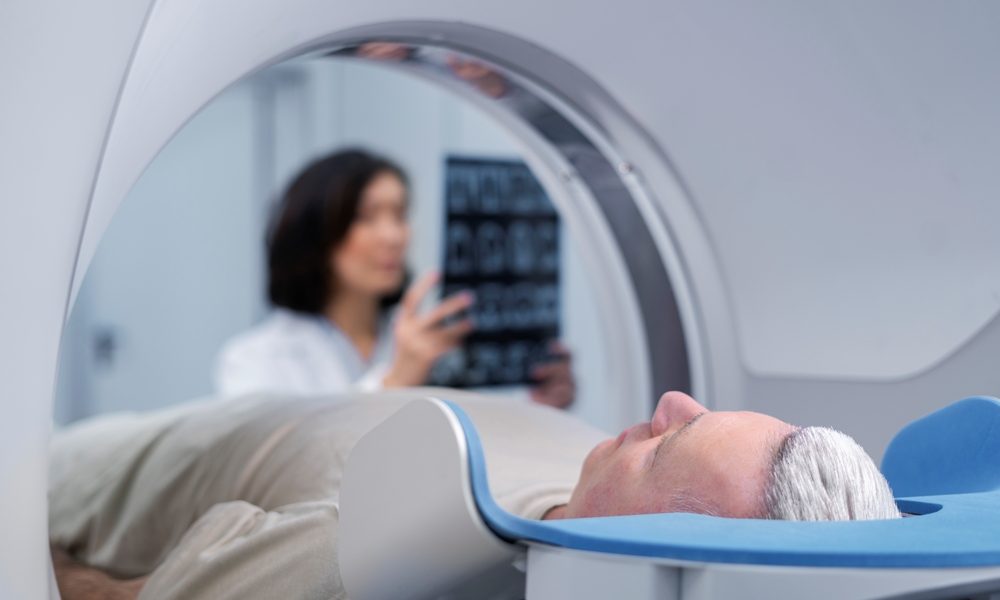
A portable brain scanner being trialled in Kent could help speed up dementia diagnosis by bringing scans into local clinics rather than relying on hospital visits. The low-field MRI machine is smaller, cheaper and more portable than traditional hospital scanners, potentially enabling quicker and more accessible assessments in community settings. Led by Kent and Medway [...]
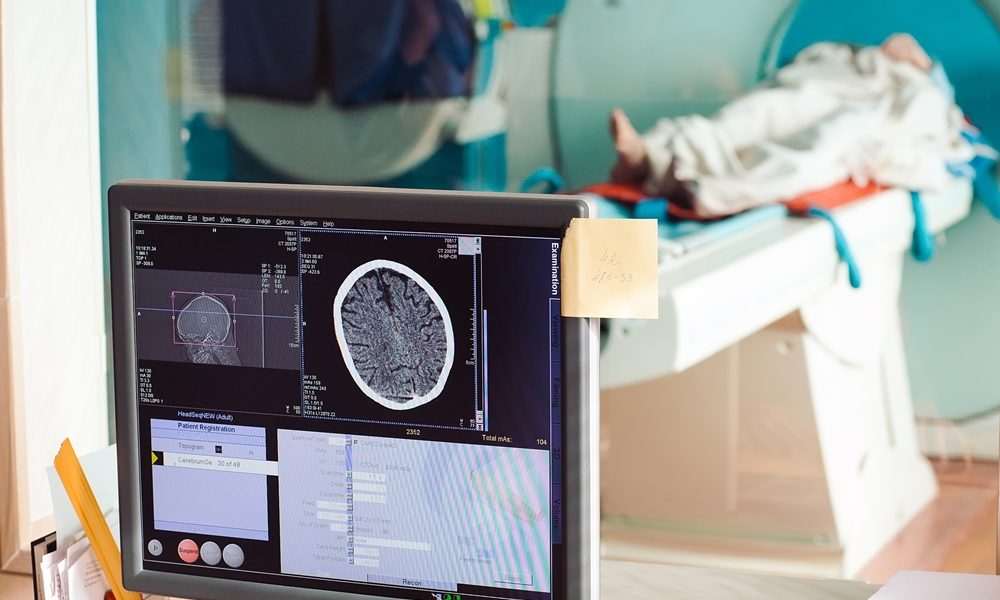
A new MRI-based tool can estimate how fast someone is ageing and predict their risk of chronic illness decades before symptoms appear, scientists have said. The system identifies age-related conditions such as dementia by analysing health markers picked up in brain scans taken in midlife. It could help flag people at higher risk while there [...]
Trained dogs have identified Parkinson’s disease from skin swabs with up to 98 per cent accuracy, even before symptoms appear, a new study has found. In a double-blind study using more than 200 samples, scent-detection dogs were able to distinguish people with Parkinson’s from healthy individuals and those with other conditions. The results suggest the [...]
An AI model uncovered a 46 per cent drop in cognitive decline among early-stage Alzheimer’s patients when reanalysing data from a previously unsuccessful drug trial. Scientists used artificial intelligence to split trial participants into two groups based on how quickly their condition was progressing. The reassessment revealed the drug slowed symptoms in those with early-stage, [...]