Insight

Your essential monthly update on agetech's progress Welcome to your monthly snapshot of the facts, figures, opinions, trends and challenges shaping the development of agetech. Our new monthly tracker report aims to provide an concise update for busy agetech professionals on the many factors influencing your work. Here you will find a concise breakdown of [...]
By Professor Ama Johal, clinical lead and dental sleep expert at Aerox Health During menopause, it’s very common for women to notice significant changes to their sleep patterns and experience things like restless nights, loud snoring, or simply waking up feeling exhausted. What most don’t realise, however, is that these symptoms can signal something far [...]
Listening to music into old age could reduce the risk of dementia by almost 40 per cent, a new study has found. It’s based on data from 10,893 Australians aged 70 or older who, at recruitment, were living in retirement communities and had no dementia diagnosis. They were asked about music listening habits and whether [...]
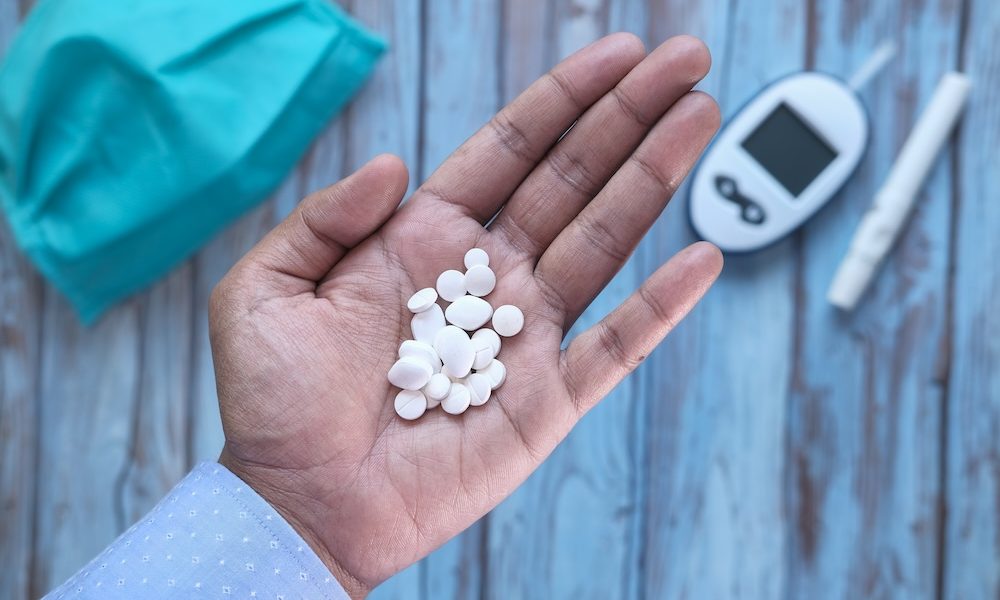
Low-dose aspirin may cut heart attack and stroke risk by almost half in people with type 2 diabetes, despite it no longer being routinely recommended, new research suggests. A study following nearly 11,700 adults with type 2 diabetes found those taking low-dose aspirin were significantly less likely to experience major cardiovascular events over 10 years. [...]
Lab-grown immune cells improved memory and reduced brain damage in ageing and Alzheimer’s mice, suggesting a possible new way to treat the condition. The engineered cells, developed from human stem cells, appeared to reverse some effects of ageing and brain damage caused by disease in mouse models. These immune cells, known as mononuclear phagocytes, normally [...]
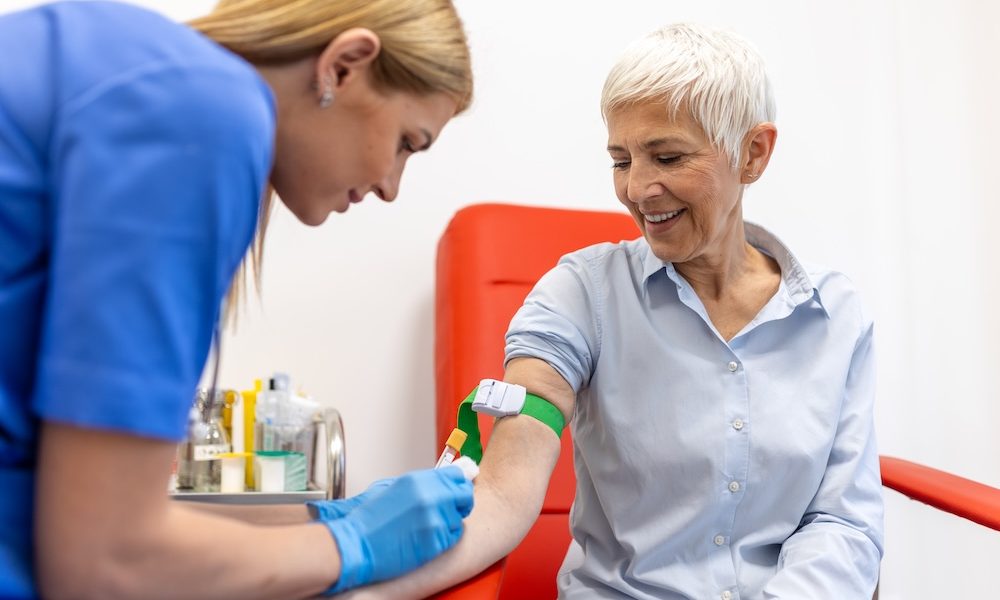
A trial into blood tests for dementia could change diagnosis and care for millions, with around one-third of UK patients still undiagnosed. A major study is examining both new and existing biomarker-based blood tests to help close the diagnosis gap that prevents many people from accessing new dementia treatments. Biomarkers are biological indicators in the [...]
A daily blend of citrus and grape extracts with chromium normalised blood sugar in people with prediabetes within six months during a recent study, outperforming diet alone. The six-month clinical trial found that a supplement containing citrus and red grape extracts, chromium and hesperidin helped people with impaired fasting glucose – a prediabetic condition – [...]
Walking as few as 3,000 steps a day could slow the progression of Alzheimer's disease in at-risk older adults, delaying cognitive decline by up to seven years, new researh has found. A 14-year study has found that even modest physical activity appears to protect against the brain changes and decline linked to the condition. Researchers [...]
A lack of free time could be raising dementia risk, with researchers calling for action on ‘temporal inequity’ to protect brain health. A new perspective article from the University of New South Wales (UNSW) in Australia argues that ‘time poverty’ – not having enough discretionary time – may limit people’s ability to prevent dementia, particularly [...]
Benign prostatic hyperplasia (BPH) is a rapidly growing urological concern driven by a global ageing population. With healthcare systems under strain due to increased demand, resource limitations, and surgical backlogs, hospitals may benefit from technologies that are less invasive for patients and less resource intensive for healthcare systems. Among minimally invasive treatments for BPH, Rezūm™ [...]