Blood tests ‘could revolutionise dementia diagnosis,’ expert says
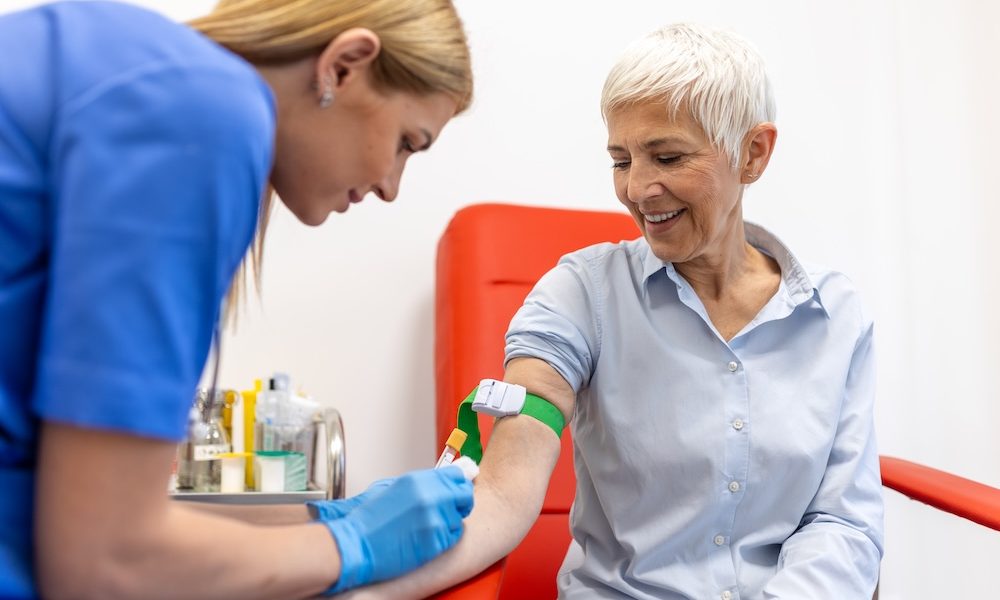
A trial into blood tests for dementia could change diagnosis and care for millions, with around one-third of UK patients still undiagnosed.
A major study is examining both new and existing biomarker-based blood tests to help close the diagnosis gap that prevents many people from accessing new dementia treatments.
Biomarkers are biological indicators in the blood that can show whether someone has, or may develop, a disease.
The tests being studied could replace current diagnostic methods that are often invasive, costly or time-consuming.
The trial, led by North Bristol NHS Trust in collaboration with Bristol University, is recruiting participants across the city to assess how accurately these blood tests can identify dementia.
Prof Elizabeth Coulthard from Bristol University said: “Every week I see patients who want to know why their memory is not as good as it used to be.
“Only with better diagnosis can we develop and deliver new treatments that will offer hope to millions of people.”
Despite progress in dementia drug development, about one-third of people living with the condition in the UK remain undiagnosed, meaning they miss out on treatments that could help slow symptoms.
The initiative is being run by the READ-OUT research team at Dementias Platform UK (DPUK) and forms part of the Blood Biomarker Challenge, supported by Alzheimer’s Society, Alzheimer’s Research UK and People’s Postcode Lottery.
Dr Sheona Scales, director of research at Alzheimer’s Research UK, said an early and accurate diagnosis was vital for patients and families.
“For them, getting an early and accurate diagnosis of dementia means they can access the resources they need,” she said.
“Getting a diagnosis through something as simple as a blood test could revolutionise the way we diagnose dementia here in the UK.”