Vitamin supplements shown to improve nutrition biomarkers in older men

A six-month study of healthy older men is the latest to support the positive benefits of taking multivitamin and multimineral supplements on key nutrition biomarkers.
The research led by Oregon State University’s Tory Hagen and Alexander Michels has also shown that the changes in nutrition status could have direct connections to cellular function, measured by the oxygen consumption of the study participants’ blood cells.
The findings published in the journal Nutrients, suggest that supplementation may be a key tool in helping people stay healthier as they age.
Dr Michels, a research associate at OSU’s Linus Pauling Institute, said: “Many older adults take a multivitamin, thinking it will help them stay healthy. However, previous studies have shown mixed results when it comes to multivitamins and disease risk.
“We wanted to know why there was so much uncertainty. Is it possible that multivitamins aren’t as effective at changing nutrition biomarkers in older adults?”
The research group, which included eight OSU scientists, recruited 35 healthy men aged 68-plus for the double-blind study. Half received a Centrum Silver supplement, the other half a placebo. Participants didn’t know what they were receiving.
None of those involved was allowed to take other supplements during the study, except for vitamin D if it was prescribed by their doctor.
Professor Hagen, principal investigator and Helen P Rumbel Professor for Healthy Ageing Research at the Linus Pauling Institute, explained: “Our tests showed that many of these older men were not obtaining the optimal levels of several vitamins when the study started. So there certainly was room for improvement.”
After the six-month trial, differences in the supplement and placebo groups became apparent. While those taking the multivitamin showed improved biomarkers of nutrition, those on the placebo did not.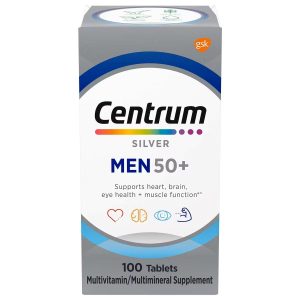
“Several of the participants assigned to the placebo group had blood nutrition biomarkers fall during the study,” said Professor Hagen, who is also a professor of biochemistry and biophysics at OSU.
“It suggests that food alone was not enough to keep their vitamin and carotenoid levels up.”
Carotenoids are yellow, orange and red pigments synthesized by plants, and they play multiple roles in human health. Some carotenoids like beta-carotene can provide the body with an extra source of vitamin A.
Although the researchers did not measure disease risk, they did test white blood cells, part of the body’s immune system.
Professor Hagen said: “We were amazed to find that the men who took the placebo showed reduction in cellular oxygen consumption.”
He noted that oxygen consumption is an indicator of cell function.
“This was not observed in men who took the multivitamin, suggesting a connection between vitamin status and white blood cell function that we are eager to explore further.”
The researchers believe the study is the beginning of a new era for multivitamin research.
Dr Michels said: “Our evidence indicates that many older men could benefit from a daily multivitamin, but the response did vary from individual to individual,
“Knowing who benefits the most and why will be key for multivitamin trials that evaluate disease risk in the future.”