Study could pave way for innovative new skin cancer treatment
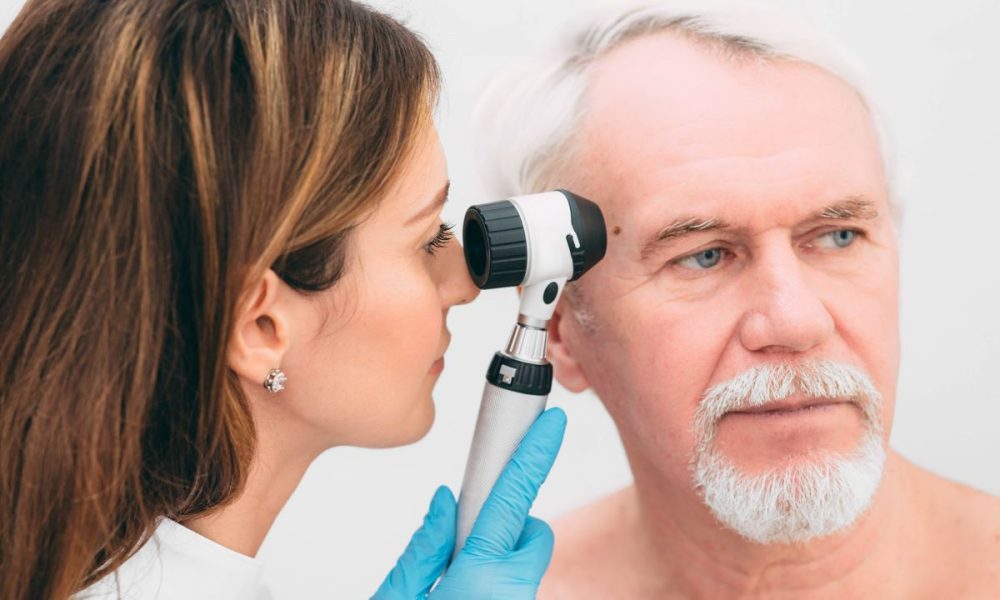
A new antibody has been identified that could help patients who don’t respond to current therapies for the most aggressive form of skin cancer.
Researchers at King’s College London and Guy’s and St Thomas’ NHS Foundation Trust have developed a new class of immunotherapy to target and treat melanomas.
Whilst the novel antibody which activates the immune response and impedes melanoma growth has so far only been used in mice, the team behind the discovery believes their work could open up a “new frontier in the battle against cancer.”
Malignant melanoma can develop at any time of life, but the risk increases with age. The average age of diagnosis is 65 with the highest rates among those between 85-89. Before the age of 50, the risk is greatest among women. After 50 the rates are higher in men.
Melanoma usually starts in the skin and its main cause is ultraviolet light, which comes from the sun. It can spread to other areas of the body and poses significant treatment challenges with low survival rates for many patients within five years of diagnosis.
Substantial progress has been made in the development of immunotherapies that harness the body’s natural defence system to combat cancer, but a significant number of patients fail to respond to existing therapies.
The King’s College London and Guy’s St Thomas team believe their development – presented at the influential Hybrid Congress in Hamburg, organised by the European Academy of Allergy and Clinical Immunology (EAACI) – has the potential to benefit these patients.
Many existing immunotherapies belong to the antibody type called IgE. But the researchers have developed a specific IgE antibody for a marker called chondroitin sulphate proteoglycan 4 (CSPG4), found on the surface of human melanoma cells in up to 70% of cases.
While current immunotherapies broadly activate the immune system, this novel antibody has been designed to specifically target immune responses towards melanoma cells.

PHD Student Jitesh Chauhan presenting the study at the EAACI Hybrid Congress in Hamburg.
The researchers demonstrated that CSPG4 IgE could attach to and activate immune cells present in the blood of melanoma patients, effectively killing human melanoma cancer cells.
In mice implanted with human immune cells, including those from melanoma patients, CSPG4 IgE treatment resulted in a slowdown of cancer growth.
In addition, an allergy test conducted with patient blood indicated that CSPG4 IgE did not activate basophils, a type of white blood cell, suggesting the therapy’s potential safety.
Dr Heather Bax, postdoctoral research fellow from St John’s Institute of Dermatology at King’s College London, said: “We have shown that an immune response can be triggered by IgE immunotherapy for melanoma and that this applies to human melanomas and to melanoma patient immune responses.
“Our findings replicate existing observations for MOv18 IgE, the first anti-cancer IgE, which targets ovarian cancer, and supports development of IgE therapies for other solid tumours.”
Professor Sophia Karagiannis, also from St John’s Institute of Dermatology, added: “Four in 10 people with advanced melanoma do not respond to available treatments. Our findings show that the human immune system reacts differently in the presence of drugs based on IgE antibodies and points to the potential of applying IgE to mount an effective response against melanoma.
“This opens up the possibility of this new class of drugs to benefit different patient groups and a new frontier in the battle against cancer.”
MOv18 IgE was generated at King’s College London and has been trialled for ovarian cancer with results expected to be published later in 2023.
Epsilogen Ltd – spun out from King’s College London in 2017 and which has attracted venture capital financing from multiple investors – owns rights to both CSPG4 IgE and MOv18 IgE.