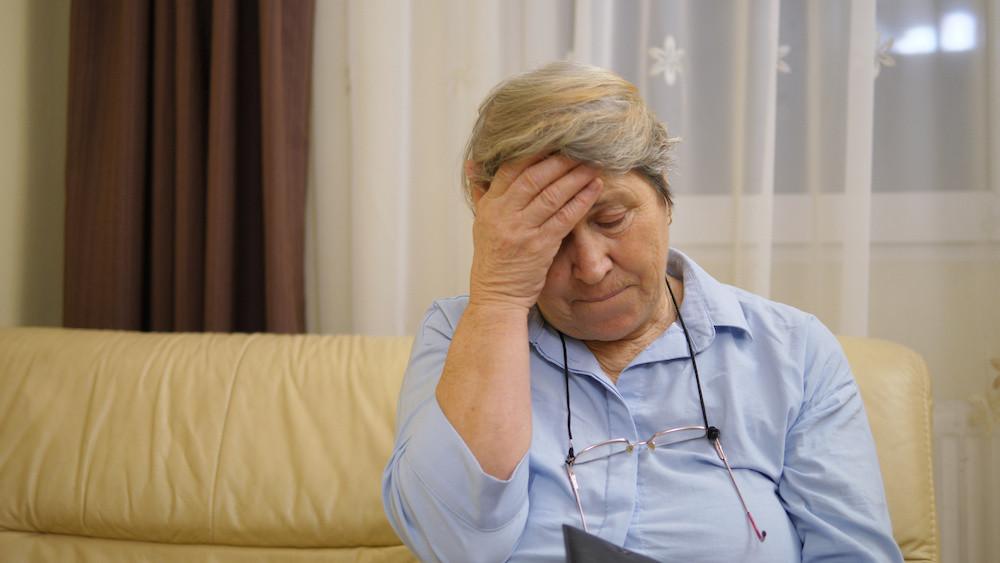
A Cannabis-based drug may ease agitation and aggression in people with dementia.
The drug, called Sativex, is already used. The study that is testing the drug in relation to behavioural symptoms is recruiting 60 patients in care homes, where they can be closely monitored.
Sativex, a mouth spray, is indicated as treatment for symptoms improvement in adult patients with moderate to severe spasticity due to multiple sclerosis who have not responded adequately to other anti-spasticity medication.
The trial, led by King’s College London, is hoping to find an alternative to antipsychotic medications.
Chris Albertyn, lead researcher, said: “We all have cannabinols in us already which regulate our internal balance.
“When we feel pain, hungry, sleepy or our mood fluctuates, those are regulated by this internal endocannabinoid system which essentially brings us back to the middle anytime that we’ve gone to an extreme.
“That’s the target for us because it’s implicated in all these behavioural and psychological fluctuations that we have naturally. It’s just a matter of reducing the extremes.”
Aggressive behaviour is one of the symptoms of dementia. As a person’s dementia progresses, they may sometimes behave in ways that are physically or verbally aggressive.
Dr Albertyn said: “We discovered that there were some relatives in care homes that were using CBD oils, putting them into creams, drinks or tinctures, and self-experimenting to help with things like sleep, pain and aggression.
“It led me to dig deeper. There’s a real growing early evidence base for cannabinoid medications to be promising targets in this area.”
Sativex centaines tetrahydrocannabinol (THC) and cannabidiol (CBD). THC is the chemical responsible for most of marijuana’s psychological effects and it acts like the cannabinoid chemicals made naturally by the body.
On the other hand, CBD is an active ingredient in cannabis that is most commonly used to treat chronic pain, anxiety, inflammation and insomnia.
Results from the study are expected next spring with Dr Albertyn agreeing that dementia studies need a greater investment: “Dementia costs more than heart disease and cancer combined to wider society and yet it gets only a fraction of the funding investment going into research for new treatments.”