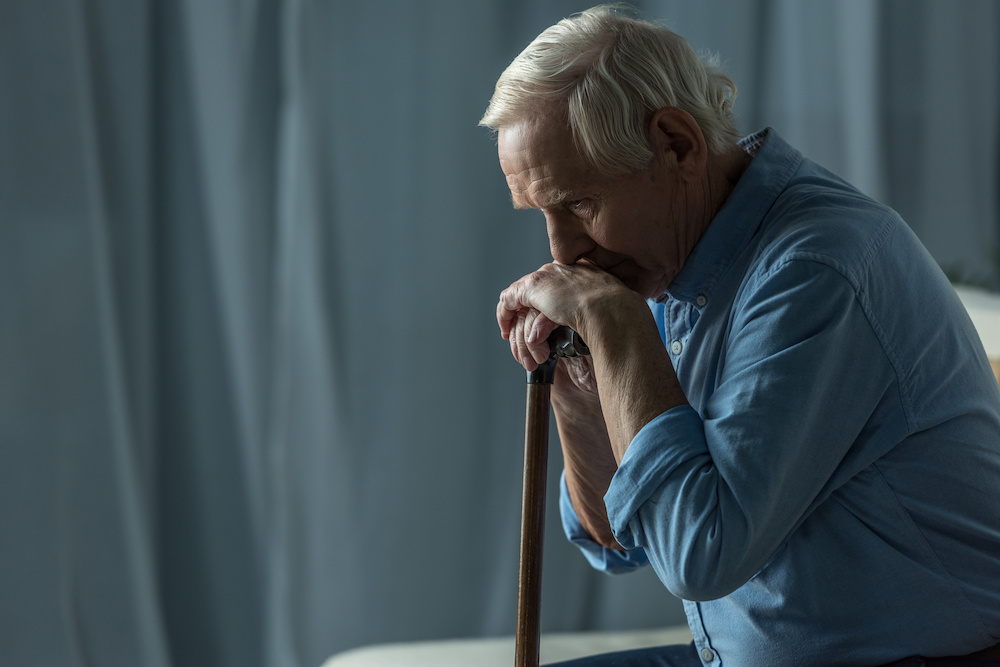
Social isolation can cause an individual to experience loneliness, but, it also has many other serious health problems that it is associated with.
These include: Increased risk for heart disease and stroke, in addition to mental decline and in some cases, premature death.
These risks are especially dangerous for older adults, who are at a higher probability of being socially isolated and potentially experiencing loneliness.
The coronavirus pandemic added gas to the fire with health problems regarding social isolation, due to restrictions enforced such as social isolation.
A new study has shown that the same digital technologies that helped workers connect remotely, could now help increase older individuals mental, physical and social health.
The conclusion from the study suggests this can be done through interactive art-based activities.
The study demonstrates how virtual museum visits can significantly improve quality of life for elderly adults who are socially isolated.
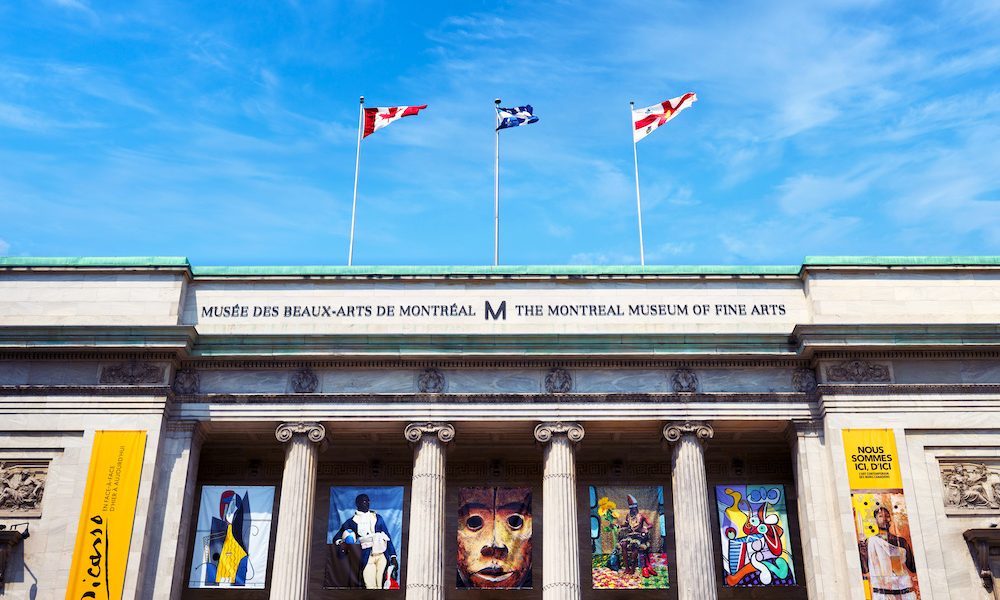
The research team, based in Canada, have teamed up with the Montreal Museum of Fine Arts.
Together, they will investigate the potential benefits of conducting weekly virtual visits over a three-month period.
The study will involve 106 individuals aged 65 and older living in the Montreal metro area.
Half of the group participated in guided tours online once a week, whilst the other half abstained from participation in any cultural activities during the same time period.
Improving life with art
The group that took part in the online visits to the museum displayed significant improvements in their social isolation, well-being, quality of life and frailty assessment scores when compared to the other group.
Lead author of the study, Dr Olivier Beauchet says: “Our study showed that art-based activity may be an effective intervention.
“On a global scale, this participatory art-based activity could become a model that could be offered in museums and arts institutions worldwide to promote active and healthy ageing.”
The biggest benefit from the virtual tours, which also included a Q&A session at the end, was on frailty.
On frailty, Beauchet says: “vulnerable condition exposing individuals to incident adverse health events and disabilities that negatively impact their quality of life and increase health and social costs.
“Health and social systems need to address the challenge of limiting frailty and its related adverse consequences in the ageing population.”
Improving health through creativity
This new study is an extension of previous research that investigated the potential health benefits of an ongoing programme at the museum called “Thursday’s at the Museum.”
Findings from this pilot study from 2018, discovered that art-based activities hosted by the museum could improve quality of life, well-being and health in elderly adults.
Due to the success of the pilot study, a three-year multinational study to test the effectiveness of such art-based interventions across cultures and societies was launched.
These initiatives reflect approaches advocated by the World Health Organisation to manage chronic diseases, according to Beauchet.
For example, the WHO launched the ageing and health programme in 2015, which included the use of community-based organisations to promote culture as a key component of improving health.
Beauchet says: “While these are suitable locations that reach a great number of people, there are additional organisations and sectors that could become partners in public health research and practice development.
“Museums are among such potential partners. They are aware of the needs of their communities and are consequently expanding the types of activities they offer.”