A simple skin test could detect Parkinson’s up to seven years before symptoms emerge, researchers say.
The work builds on a discovery by Joy Milne, a retired nurse with an unusually strong sense of smell, who noticed a distinct odour on her husband years before his Parkinson’s diagnosis.
Scientists from the University of Manchester examined sebum – the waxy substance on the skin – from 83 people, including 46 with Parkinson’s, 28 healthy individuals and 9 with isolated REM sleep behaviour disorder (iRBD).
The latter is a condition in which people physically act out dreams and is considered an early warning sign of neurological disease.
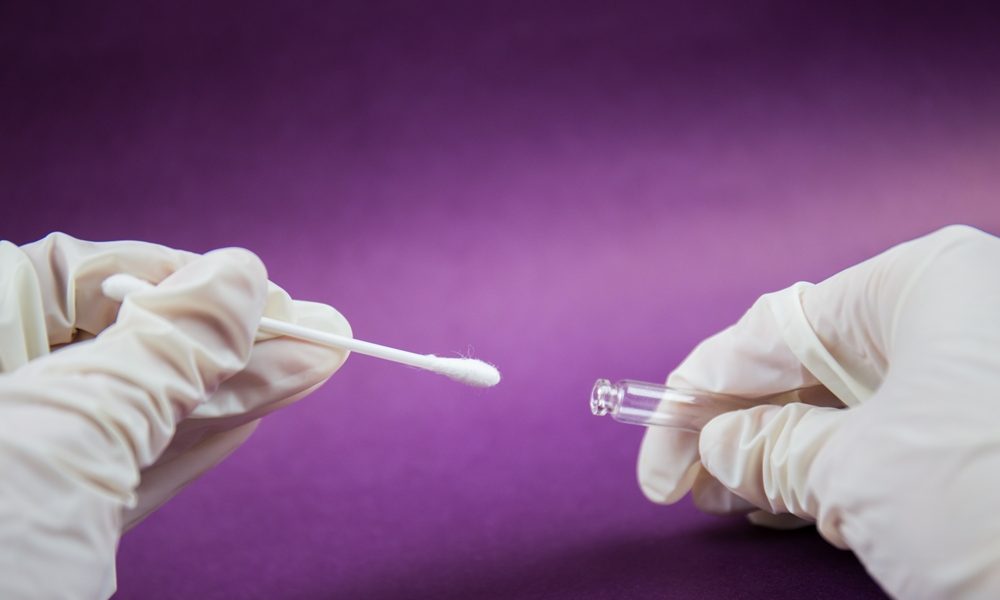
They found that chemical compounds called volatile organic compounds (VOCs) differed between people with and without Parkinson’s. These differences were detectable through a swab taken from the upper back.
Dr Drupad Trivedi is lecturer in analytical measurement sciences at the University of Manchester.
The researcher said: “Our goal is to develop a reliable, non-invasive test that helps doctors detect Parkinson’s earlier, track its progression and ultimately improve patient outcomes.”
The study identified 55 VOC features with a clear pattern of progression, with levels in the iRBD group falling between those of healthy controls and Parkinson’s patients.
Up to 90 per cent of people with iRBD go on to develop a neurodegenerative condition, most often Parkinson’s.
During the project, Milne recognised a distinct odour in several samples from iRBD participants. Two of those individuals were later diagnosed with Parkinson’s.
Professor Perdita Barran, also from the University of Manchester, said: “This is the first study to demonstrate a molecular diagnostic method for PD at the prodromal or early stage.
“It brings us one step closer to a future where a simple, non-invasive skin swab could help identify people at risk before symptoms arise, allowing for earlier intervention and improved outcomes.”
The swab test has practical advantages: it can be done using gauze, doesn’t need cold storage and can be returned by post.
In a parallel study, trained dogs were also able to detect Parkinson’s by sniffing skin swabs, matching the accuracy of chemical analysis.
Parkinson’s affects more than 10 million people worldwide, with cases expected to double in the coming decades.
Diagnosis currently depends on motor symptoms such as tremor and rigidity, which typically appear after significant disease progression.
The researchers aim to refine the test, expand the study cohort and develop a diagnostic tool for clinical use.
Trivedi said: “We’re also keen to hear from other hyperosmic individuals, potential ‘super smellers’ like Joy, whose remarkable sense of smell could help extend our work to detect other diseases with potential odour signatures.”