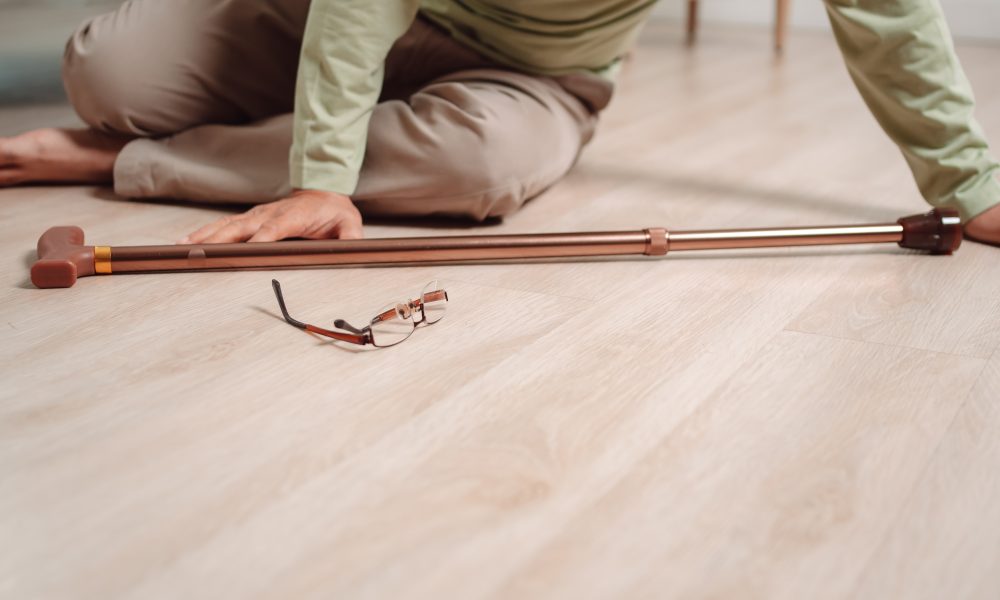
New research has revealed that devastating falls in residential aged care homes could be prevented by using gold standard approaches of regular exercise and a personalised falls prevention plan.
Falls in older adults cost Australia’s health systems $2.5 billion each year and can have devastating personal consequences, with 130,000 older Australians hospitalised for a fall and 5,000 Australians dying from a fall each year. There is no current national strategy on preventing falls.
In residential aged care homes (often called nursing homes), falls are even more common and more frequently serious. The Royal Commission into Aged Care Quality and Safety has highlighted the urgent need to address falls in this setting and falls have become a mandatory quality indicator and contributing to the star rating of nursing homes.
To date, evidence on how to prevent these falls has been extremely limited. However, Flinders University researchers Dr Suzanne Dyer and Dr Jenni Suen have now produced two new research papers that reveal clear guidance on how to successfully reduce falls for residents in aged care homes.
“We have found that both regular exercise and a personalised falls prevention plan based on each resident’s individual needs should significantly reduce the likelihood of a fall,” says Dr Dyer.
“We know that exercise programs designed for older people can reduce falls by building strength and balance, but they must be consistent, if they stop exercising, the benefits are lost.
“Much like any exercise program, it should include a combination of exercise types such as balance and resistance and be tailored, allowing for individual abilities and preferences,” says Dr Dyer.
The research also highlights the importance of having an individual falls risk assessment for each person, allowing for the flexibility of care home staff to make adjustments where required says Dr Jenni Suen from the College of Medicine and Public Health.
“Falls were reduced when different interventions (such as exercise programs, mobility aids, glasses, changing medications or modifying the environment) were given based on an individual’s falls risk assessment.
“However, this was only true when the care home staff and managers were able to modify the strategies according to specific circumstances, for example considering whether they had dementia or not,” says Dr Suen.
The research papers have been pivotal in informing the soon to be released, newly updated Australian Falls prevention guidelines that are currently open for consultation.
“Given the serious consequences for residents and the associated high costs of falls, it is critical that adequate resources are provided to ensure that falls prevention programs can be ongoing in aged care homes, particularly including exercise tailored to residents, “says Dr Dyer.
Dr Suen adds: “By combining consistent and appropriate exercise with a personalised falls prevention strategy that can be adapted by care home staff, we should see a reduction in falls for older people living in residential care.
“These simple additional considerations for both residents and staff appear to differentiate between successfully preventing falls or not. Therefore, considering these factors when planning a falls prevention program in residential aged care, could make all the difference.”