


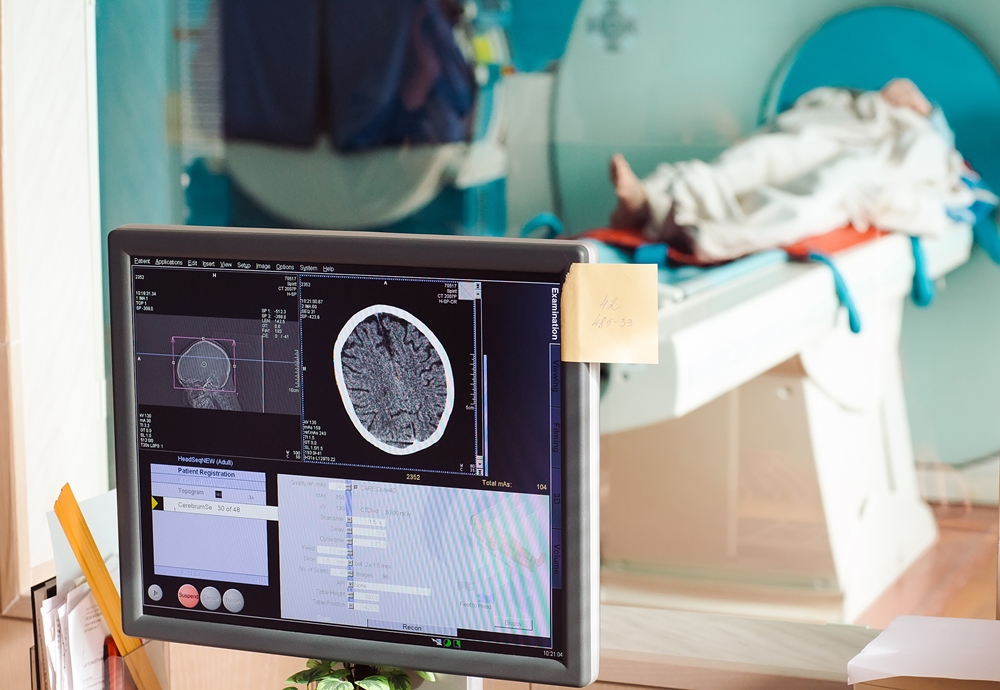
A new MRI-based tool can estimate how fast someone is ageing and predict their risk of chronic illness decades before symptoms appear, scientists have said.
The system identifies age-related conditions such as dementia by analysing health markers picked up in brain scans taken in midlife. It could help flag people at higher risk while there is still time for preventive action.
Developed using magnetic resonance imaging (MRI), the tool compares various health indicators against a baseline scan taken at age 45. These include blood pressure, body mass index, blood glucose and cholesterol levels, lung and kidney function, as well as oral health measures such as gum recession and tooth decay over time.
Researchers from Duke University, Harvard University and the University of Otago built the system using around 50,000 scans from Canada, New Zealand, the UK, the US and Latin American countries.
“Patterns of ageing detected during midlife are clinically useful among people in advanced age, including people with neurodegenerative disease,” the researchers said.
The tool could serve different purposes depending on age. For people in their 40s and 50s, the warning could motivate lifestyle and dietary changes to support better long-term health. In older adults, it could help identify those likely to develop dementia or other age-related diseases years before symptoms appear, offering more time for intervention.
“What’s really cool about this is that we’ve captured how fast people are ageing using data collected in midlife,” said Ahmad Hariri, professor of psychology and neuroscience at Duke University. He said the tool is helping “predict diagnosis of dementia among people who are much older.”
The researchers believe their system addresses a long-standing puzzle: why some people age faster than others, even without obvious causes like illness or injury. By giving clinicians a way to objectively measure biological ageing, the tool could help tailor prevention and treatment more effectively to individual patients.
The findings suggest that brain scan patterns seen in midlife may act as early warning signs for chronic diseases that may not develop for years—offering a valuable window when intervention could be most effective.