


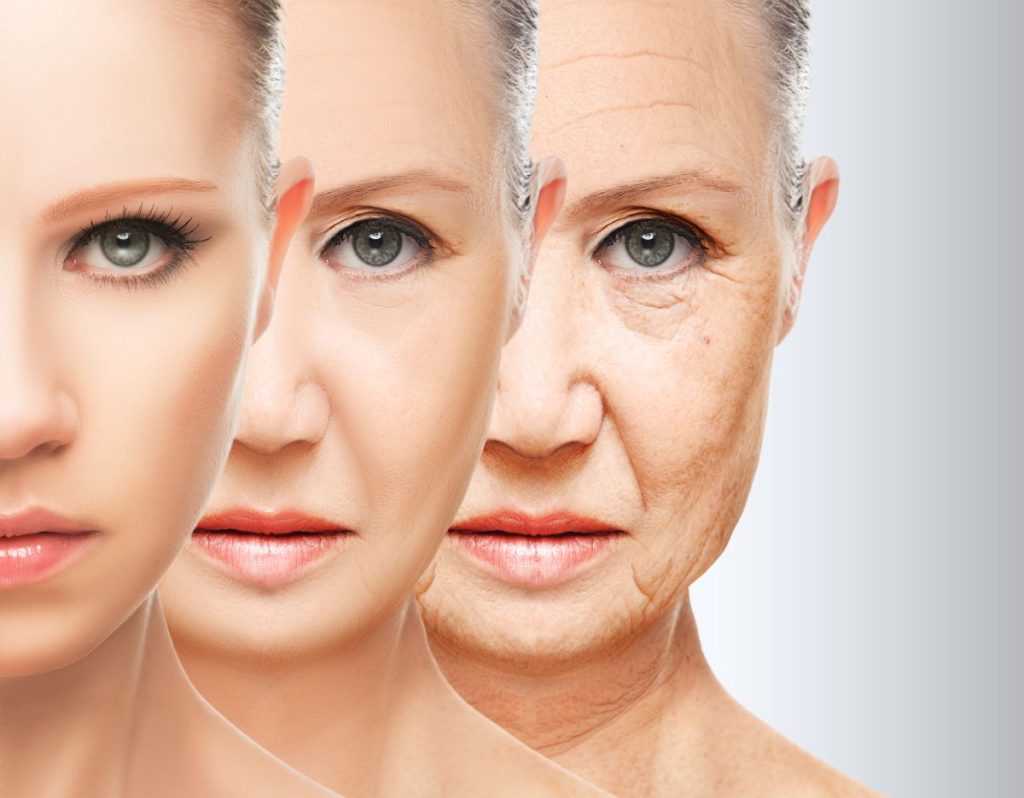
It may sound too good to be true, but a new study conducted in the US has shown it’s possible to reverse the body’s biological clock in as little as two months with diet and lifestyle changes.
Five women following a tailored ‘longevity’ diet and lifestyle programme saw their biological age reduced by up to 11 years in the small study looking at whether time can be turned back.
Six women completed the methylation-supportive diet and lifestyle regimen mapped out by researchers from the Institute for Functional Medicine at Virginia Commonwealth University and the American Nutrition Association.
After eight weeks, five of the six participants saw a reduction in their biological age. The maximum was 11.01 years and the minimum 1.22, with a mean biological age pullback of 4.6 years.
The findings featured in the journal Aging, which publishes investigative papers in all fields of ageing research, extends a previous pilot study involving men between 50-72 years.
In that instance the group saw their biological age go down by an average of 3.23 years.
The six women recruited for this latest research had an average age of 57.9. The eight-week programme they undertook included guidance on diet, exercise, sleep and relaxation, as well as supplemental probiotics and phytonutrients, and nutritional coaching.
DNA methylation and biological age analysis was conducted on blood samples at baseline and at the end of the eight-week period using the Horvath’s clock, a method that allows scientists to calculate ageing by examining certain chemical changes to genetic material.
The researchers noted that five of the six women had a biological age younger than their chronological at the start of the investigation. This, the researchers said, suggested that biological age changes were not related to disease improvement and instead might be attributed to underlying age mechanisms.
Whilst the researchers acknowledged that the small number of participants and a lack of control group were significant limitations of the study, they added: “This case series of women participants extends the previous pilot study of this intervention in men, indicating that favourable biological age changes may be achievable in both sexes.

“In addition, the investigation of otherwise-healthy individuals, rather than those with diagnosed disease, suggests an influence directly on underlying mechanisms of ageing instead of disease-driven ageing.”
The women followed a methylation-supportive diet that weekly included three, 3oz servings of liver (or a liver supplement in capsule form), and five to 10 preferably free-range, omega-3 enriched and organic eggs.
Additionally, the women were asked to consume daily:
- Two cups of dark, leafy greens, such as kale and spinach.
- Three cups of colourful vegetables chosen by the participants, but not including sweetcorn and potatoes.
- Two servings of low-glycemic fruit.
- One to two medium-sized beets.
- Two cups of cruciferous vegetables, such as broccoli and cauliflower.
- Four teaspoons each of pumpkin and sunflower seeds.
- Six ounces of animal protein that was grass fed, free of hormones and antibiotics, and organic.
- One or more servings of methylation adaptogens, such as half a cup of berries, two cups of green tea brewed for 10 minutes and half a teaspoon of turmeric.
The guidance also included adding healthy oils like flaxseed and coconut, not eating between 7pm and 7am, and drinking eight cups of water a day.
The women were also asked to avoid confectionery, dairy products, added sugar, legumes and grains, to get a minimum of seven hours sleep per night, and to exercise for at least 30 minutes a day for no less than five days each week.
To help combat stress, the women were requested to perform breathing exercises twice a day.
Reversing the biological clock and making the body’s cells young again has become the new scientific ‘Holy Grail.’ For most of history the average life span was less than 50 years, but thanks to improved nutrition and medical advances made across the 20th Century, the global average is now 73.
But reaching your three score years and ten is not long enough for some people. There is an increasing desire amongst those with cash to splash to emulate Oscar Wilde’s Dorian Gray, the story of a man who gains the ability to remain eternally young so long as his portrait becomes ever more wrinkled and decrepit with each passing day.
Earlier this year 45-year-old American tech entrepreneur Bryan Johnson hit the headlines when he admitted to spending around $2m a year on medical procedures, treatments and a strict diet, in a bid to regain his youth.
According to an interview he gave to Bloomberg, Johnson employs a team of 30 doctors and health experts who monitor his “every bodily function” as he looks to achieve the “brain, heart, lungs, liver, kidneys, tendons, teeth, skin, hair, bladder, penis and rectum of an 18-year-old.”