Ultra-processed food linked to harm in every major organ, research finds
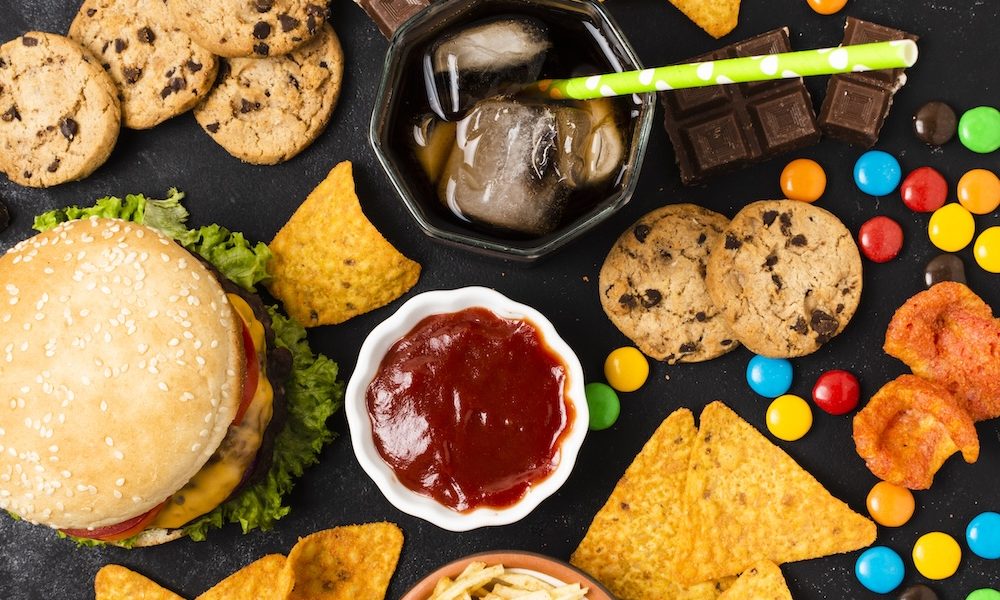
Ultra-processed foods harm every major organ system and threaten global health, the world’s largest review has revealed.
Evidence reviewed by 43 of the world’s leading experts reveals that diets high in UPF are associated with overeating, poor nutritional quality and higher exposure to harmful chemicals and additives.
A systematic review of 104 long-term studies found that 92 reported greater associated risks of one or more chronic diseases and early death from all causes.
In the UK and US, more than half the average diet now consists of UPF, including ready meals, cereals, protein bars, fizzy drinks and fast food. F
or younger, poorer or disadvantaged people, diets comprising as much as 80 per cent UPF are typical.
“The first paper in this Lancet series indicates that ultra-processed foods harm every major organ system in the human body,” said professor Carlos Monteiro, professor of public health nutrition at the University of São Paulo.
“The evidence strongly suggests that humans are not biologically adapted to consume them,”
Monteiro and colleagues developed the Nova classification system, which groups foods by processing level from one (unprocessed or minimally processed, such as whole fruits and vegetables) to four (ultra-processed). The ultra-processed category includes industrially manufactured products often using artificial flavours, emulsifiers and colouring.
These products tend to be extremely palatable and high in calories but low in nutrients.
The review suggests UPF consumption is being driven by profit-focused corporations using aggressive tactics to increase consumption, skew scientific debate and prevent regulation.
“The growing consumption of ultra-processed foods is reshaping diets worldwide, displacing fresh and minimally processed foods and meals,” Monteiro warned.
“This change in what people eat is fuelled by powerful global corporations who generate huge profits by prioritising ultra-processed products, supported by extensive marketing and political lobbying to stop effective public health policies to support healthy eating.”
The authors propose policies to regulate and reduce UPF production, marketing and consumption.
Although some countries have introduced rules to reformulate foods and control UPF, they say the global public health response remains nascent, comparable to where tobacco control was decades ago.
The review identifies corporate political activities as the main barrier to protecting health, with companies coordinating transnationally through front groups, multi-stakeholder initiatives and research partners to counter opposition and block regulation.
Professor Barry Popkin from the University of North Carolina said: “We call for including ingredients that are markers of UPFs in front-of-package labels, alongside excessive saturated fat, sugar and salt, to prevent unhealthy ingredient substitutions, and enable more effective regulation.”
The authors recommend stronger marketing restrictions, particularly for adverts targeting children, banning UPF in public places such as schools and hospitals, and limiting UPF sales and shelf space in supermarkets.
Brazil’s national school food programme is highlighted as a success story, having eliminated most UPF and requiring 90 per cent of food to be fresh or minimally processed by 2026.
Critics argue UPF is an ill-defined category and that existing health policies targeting sugar and salt consumption are sufficient.
The authors acknowledged valid scientific critiques, including lack of long-term clinical trials, emerging understanding of mechanisms and the existence of subgroups with different nutritional values.
However, they argue future research must not delay immediate action, which they say is justified by current evidence.
The review identifies UPF as a leading cause of the chronic disease pandemic linked to diet.
Scientists not involved in the series welcomed the evidence review but called for more research into UPF, cautioning that association with health harm may not mean causation.