News
Smart packaging could improve medication use in older adults


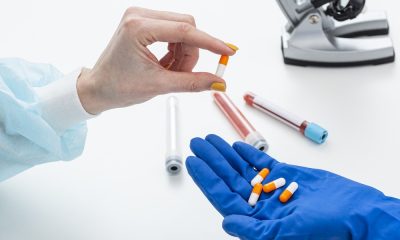
Older adults are open to using smart packaging for their medication, a new study has found.
A smart system can notify family members or caregivers if a patient used their medication incorrectly, giving patients and their carers peace of mind.
According to the University of Waterloo research, approximately half of patients in developed nations with a chronic condition do not take their medication correctly.
So-called medication non-adherence not only impacts the health of patients but costs the healthcare system billions of dollars.
While innovations such as reminder apps and medication-dispensing devices have emerged in recent years, they are not routinely tested older people.
Sadaf Faisal, a PhD candidate at the University of Waterloo School of Pharmacy and lead author of the study, said:
“Many of these products are advertised as user-friendly and efficient, but not all are tested with seniors in mind.
“So how would we know if older adults are able to use them for their day-to-day medication intake and are there any factors that can impact their in-home utilisation?”
The researchers visited 10 participants in their homes with a mean age of 76.
The participants took an average of 11 medications for at least five chronic diseases.
The participants were given a smart blister pack linked up to a web portal which recorded when they opened their medication.
The researchers then interviewed the participants about their experiences and asked them to rank the technology’s usability.
Tejal Patel, a pharmacy professor and co-author of the study, said:
“Across participants, we found fairly consistent pros and cons to the technology.
“The ability to learn the product easily was important for the participants to use it consistently.
“Feedback from their social circle – such as supportive children, partners or health-care providers – also helped reinforce using the technology.”
The participants who were more comfortable with technology tended to be open to, and enjoyed using, the smart packaging.
However, the device size and lack of portability did cause problems, and some participants were frustrated when the product behaved inconsistently.
They also said that they would be less likely to use the technology without support from the government or a health plan.
“For technology to be effective, it has to be accepted by the end-users,” Faisal said.
“Smart, technology-based adherence products have the potential to support patients, but health-care providers should assess older adults’ medication intake behaviours and barriers and facilitators to using a product before recommending them.”




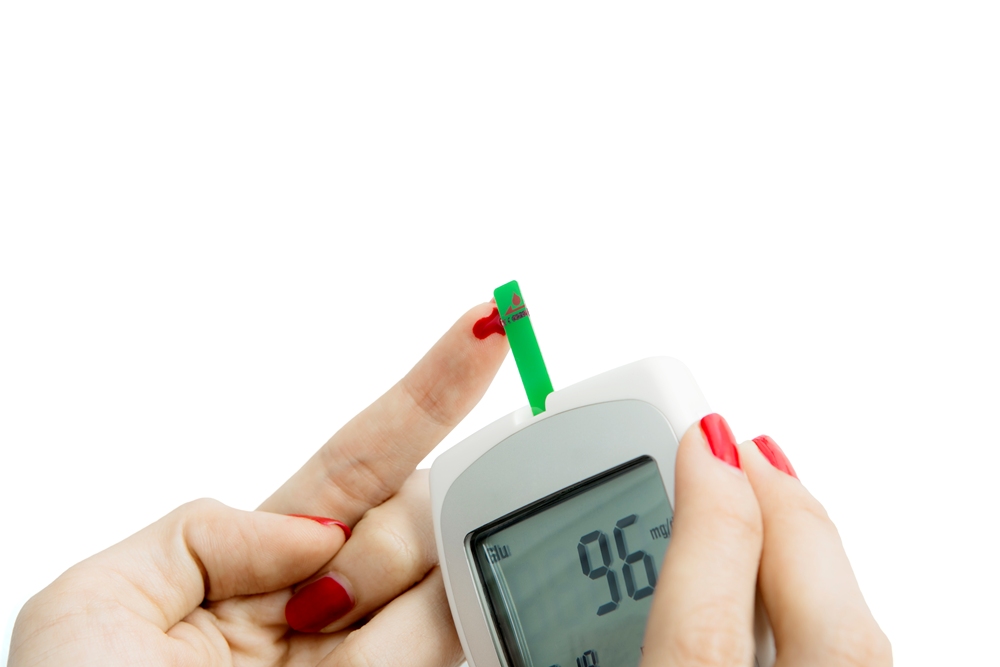
Sharp rises in blood sugar after meals may raise Alzheimer’s risk, according to genetic analysis of more than 350,000 adults.
The findings point to after-meal glucose, rather than overall blood sugar, as a possible factor in long-term brain health.
Researchers examined genetic and health data from over 350,000 UK Biobank participants aged 40 to 69, focusing on fasting glucose, insulin, and blood sugar measured two hours after eating.
The team used Mendelian randomisation, a genetic method that helps test whether biological traits may play a direct role in disease risk.
People with higher after-meal glucose had a 69 per cent higher risk of Alzheimer’s disease.
This pattern, known as postprandial hyperglycaemia (elevated blood sugar after eating), stood out as a key factor.
The increased risk was not explained by overall brain shrinkage (atrophy) or white matter damage, suggesting after-meal glucose may affect the brain through other pathways not yet fully understood.
Dr Andrew Mason, lead author, said: “This finding could help shape future prevention strategies, highlighting the importance of managing blood sugar not just overall, but specifically after meals.”
Dr Vicky Garfield, senior author, added: “We first need to replicate these results in other populations and ancestries to confirm the link and better understand the underlying biology.
“If validated, the study could pave the way for new approaches to reduce dementia risk in people with diabetes.”

Shingles vaccine may slow biological ageing in older adults

Thousands of men in England to be offered life-extending prostate cancer drug

Blood sugar spike after meals may increase Alzheimer’s risk

Study reveals why memory declines with age

Agetech research round-up: brain health vital, £38m to combat Alzheimers, and more…

FDA clears automated brain fluid device

Agetech World’s latest innovation & investment round-up

Insilico signs US$888m oncology deal with Servier

Food preservatives linked to increased diabetes and cancer risk, study finds

UK bans junk food ads before 9pm to protect child health
 News2 weeks ago
FDA clears automated brain fluid device
- News2 weeks ago
Agetech World’s latest innovation & investment round-up
- News2 weeks ago
Insilico signs US$888m oncology deal with Servier
- Markets & Industry2 weeks ago
Food preservatives linked to increased diabetes and cancer risk, study finds
- News2 weeks ago
UK bans junk food ads before 9pm to protect child health
- News1 week ago
Captioning glasses win AARP pitch at CES
- Insights2 weeks ago
Global longevity initiative launches North American chapter
- News6 days ago
Interview: GlycanAge launch first hospital-based tests