


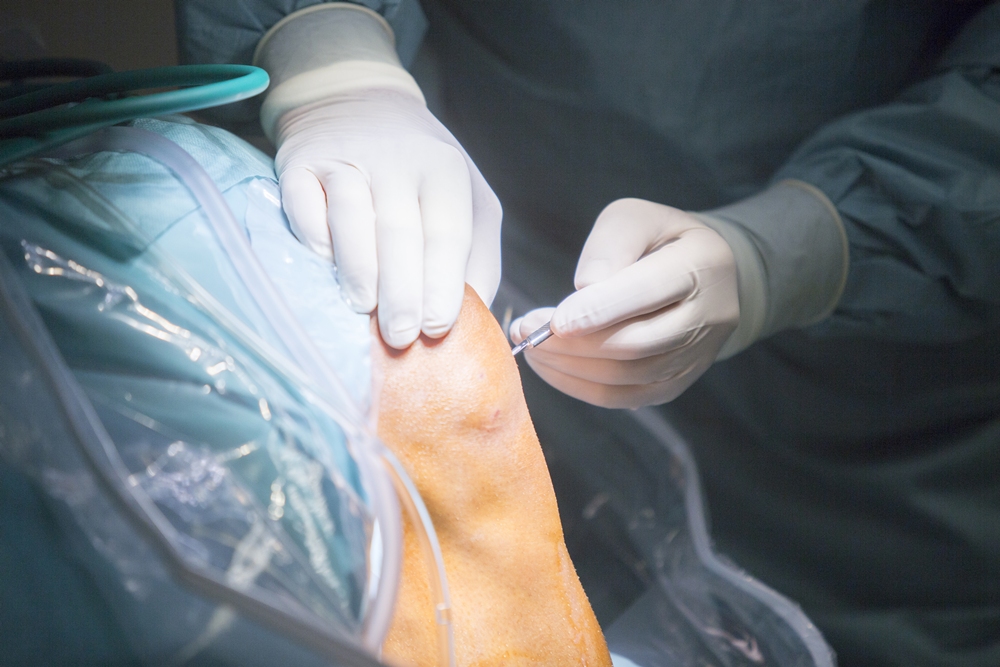
Smart knee implant data showed lower revision surgery and infection rates than traditional implants, with fewer physical therapy visits after surgery.
Zimmer Biomet shared the findings at the American Academy of Orthopaedic Surgeons conference, where it said patients using its Persona IQ implant with the Mymobility care platform had better outcomes one year after surgery than those with a traditional knee implant.
Mike Anderson, Zimmer’s clinical strategy associate director, said the analysis linked the technology to lower rates of revision surgery and periprosthetic joint infection, meaning infection around the implant, as well as less opioid use and fewer visits to urgent care and physical therapy.
The results came from an analysis of insurance claims comparing people who used Persona IQ and Zimmer’s Mymobility platform with patients who did not receive those resources with their knee implant. Researchers at the Hospital for Special Surgery and Zimmer compared 1,081 patients with a smart implant to 4,324 in the control group.
At one year, revision rates were 0.3 per cent for the smart implant group versus 1 per cent for the control group, while the rate of periprosthetic joint infection was 0.3 per cent for the smart implants versus 0.9 per cent for the control group.
Because the study was based on claims data, it is difficult to know which post-operative changes drove the result, Anderson said.
Patients can send messages directly, and receive education and exercises through the Mymobility app, while Persona IQ data can show changes in their activity or mobility measures.
Anderson said: “We can’t really say that there is causality in this, but we can say that there is an association between being monitored in these digital care pathways and fewer complications.
“Unfortunately, we don’t know if the surgeons did anything with the objective data, but we do know that there were opportunities for surgeons to do that, and opportunities for patients to reach out and really self direct their rehabilitation.”
Zimmer received the US Food and Drug Administration’s de novo authorisation for its smart knee implant in 2021. The device tracks measures including stride length, range of motion, step count and walking speed.
While the idea of implants with built-in sensors drew early interest, there were also major unanswered questions about how to use the data.
One example is which trends a clinician should watch as an early sign of a problem.
Anderson said he has seen more publications examining that issue. A presentation this week showed a decrease in a patient’s gait patterns two to three days before they were diagnosed with infection.
Anderson said: “It’s an exciting time to have data like this, because the data is starting to get popular, and we’re seeing these associations, but we don’t truly know the causality between the data and the complications.”
He added that if Zimmer wants to offer alerts for interventions based on this data in future, prospective, randomised clinical trials will be needed to show that receiving an alert and acting on it reduces complications.