


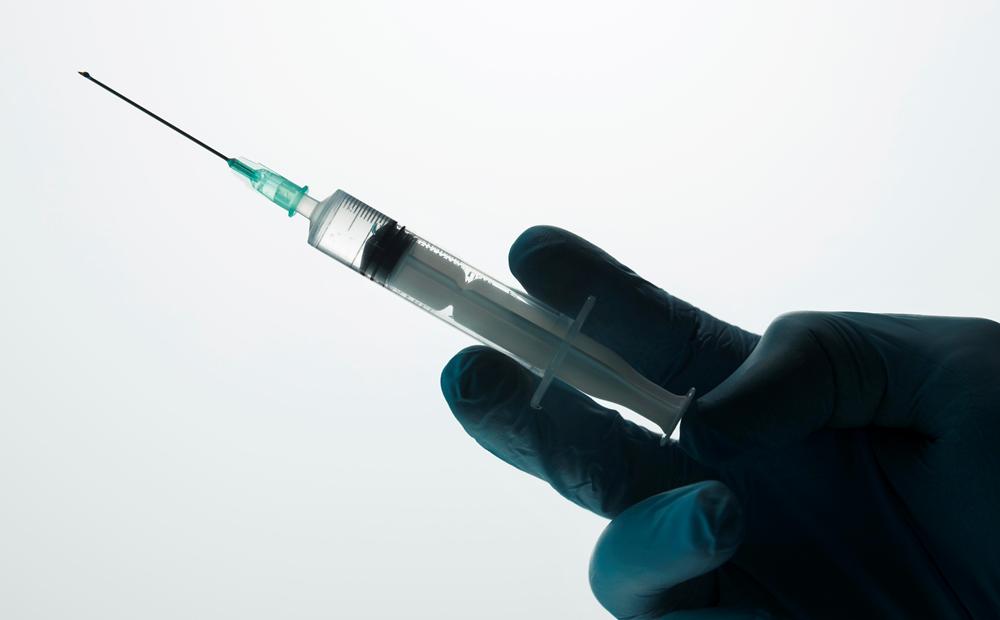
The shingles vaccine could lower the risk of heart attack or stroke by up to 20 per cent, according to the first global study of its kind.
The jab was linked to an 18 per cent lower risk of stroke or heart attack in adults aged 18 and above, with a 16 per cent reduction in those aged 50 or older.
Shingles is a common condition causing a painful rash that can lead to complications including deafness, long-lasting pain and blindness. It is more likely to cause serious problems in older age groups.
The world’s first global systematic review and meta-analysis examined 19 studies.
Eight observational studies and one randomised controlled trial met the criteria for assessing the vaccine’s impact on cardiovascular events.
Dr Charles Williams, the study’s author and global associate medical director at GSK, said the findings merit more investigation.
“We looked at the currently available evidence, and found that in this analysis, vaccination against herpes zoster was associated with a lower risk of cardiovascular events, such as heart attacks or strokes.
“Further research studies are now needed to find out whether this association can be attributed to an effect of herpes zoster vaccination.”
The data will be presented this weekend at the European Society of Cardiology’s annual meeting in Madrid, the world’s largest cardiology conference.
Most countries recommend the shingles vaccine only to older people or immunosuppressed adults, but the findings suggest it could have protective effects in adults as young as 18.
The jab is usually taken once, typically administered in two doses several months apart.
The systematic review was conducted using three scientific literature databases and included a meta-analysis of phase 3 randomised controlled trials and observational studies.
Prof Filippo Crea, a cardiology professor at the Catholic University in Rome, who was not involved in the study, said: “These results support a growing body of evidence which indicates that vaccinations reduce the risk of cardiovascular disease.”
Prof Bryan Williams, chief scientific and medical officer at the British Heart Foundation, also not involved in the research, welcomed the findings but urged caution.
“There is great interest in studies suggesting the shingles vaccine may reduce the risk of cardiovascular events, although this analysis is largely based on observational studies, which cannot demonstrate cause and effect.
“We know that shingles can cause inflammation in the body, and that inflammation is a culprit in many heart and circulatory conditions which can lead to heart attacks and strokes.
“By preventing shingles, vaccination could therefore be protective. But far more research is needed, especially to understand the intriguing results in younger people.
“More evidence will be needed before the shingles vaccine can be recommended for a wider age group.”
Vaccination is increasingly being seen not only as protection against specific infections but also as a way to reduce cardiovascular disease and related events.
The findings come as NHS England said 300,000 more people will be eligible for the shingles vaccine from next week.
From 1 September, adults aged 18 to 49 with severely weakened immune systems will qualify, alongside those over 50 with a severely weakened immune system who already have access.