News
Seven healthy habits may help those with genetic dementia risk


Seven healthy habits and lifestyle factors may play a role in lowering the risk of dementia in people with the highest genetic risk.
That’s according to research published in the May 25 online issue of Neurology, the medical journal of the American Academy of Neurology.
The seven cardiovascular and brain health factors are known as the American Heart Association’s ‘Life’s Simple Seven’.
They are: being active, eating better, losing weight, not smoking, maintaining a healthy blood pressure, controlling cholesterol, and reducing blood sugar.
“These healthy habits in the Life’s Simple Seven have been linked to a lower risk of dementia overall, but it is uncertain whether the same applies to people with a high genetic risk,” said study author Adrienne Tin of the University of Mississippi Medical Center in Jackson.
“The good news is that even for people who are at the highest genetic risk, living by this same healthier lifestyle are likely to have a lower risk of dementia.”
The study
The study looked at 8,823 people with European ancestry and 2,738 people with African ancestry who were followed for 30 years. People had an average age of 54 at the beginning of the study.
Study participants reported their levels in all seven health factors. Total scores ranged from 0 to 14, with 0 representing the most unhealthy score and 14 representing the most healthy score.
The average score among those with European ancestry was 8.3 and the average score amongst those with African ancestry was 6.6.
Researchers calculated genetic risk scores at the start of the study using genome-wide statistics of Alzheimer’s disease, which have been used to study the genetic risk for dementia.
Participants with European ancestry were divided into five groups and those with African ancestry were divided into three groups based on genetic risk scores.
The group with the highest genetic risk included people who had at least one copy of the APOE gene variant associated with Alzheimer’s disease, APOE e4.
Of those with European ancestry, 27.9 per cent had the APOE e4 variant, while of those who had African ancestry, 40.4 per cent had the APOE e4 variant.
The group with the lowest risk had the APOE e2 variant, which has been associated with a decreased risk of dementia.
The results
By the end of the study, 1,603 people with European ancestry developed dementia and 631 people with African ancestry developed dementia.
For people with European ancestry, researchers found that people with the highest scores in the lifestyle factors had a lower risk of dementia across all five genetic risk groups, including the group with the highest genetic risk of dementia.
For each one-point increase in the lifestyle factor score, there was a nine per cent lower risk of developing dementia.
Among those with European ancestry, compared with the low category of the lifestyle factor score, the intermediate and high categories were associated with 30 per cent and 43 per cent lower risk for dementia, respectively.
Those with African ancestry had a six per cent and 17 per cent lower risk for dementia in the intermediate and high categories, respectively.
Among people with African ancestry, researchers found a similar pattern of declining dementia risk across all three groups among those with higher scores on the lifestyle factors.
Limitations
But researchers said the smaller number of participants in this group limited the findings, so more research is needed.
“Larger sample sizes from diverse populations are needed to get more reliable estimates of the effects of these modifiable health factors on dementia risk within different genetic risk groups and ancestral backgrounds,” Tin said.
The smaller sample size among people with African ancestry and that many African American participants were recruited from one location were limitations of the study.
The study was supported by the National Heart, Lung, and Blood Institute, the National Institutes of Health, the Department of Health and Human Services, and the National Human Genome Research Institute.
The American Academy of Neurology is the world’s largest association of neurologists and neuroscience professionals, with 38,000 members.
The AAN is dedicated to promoting the highest quality patient-centred neurologic care.











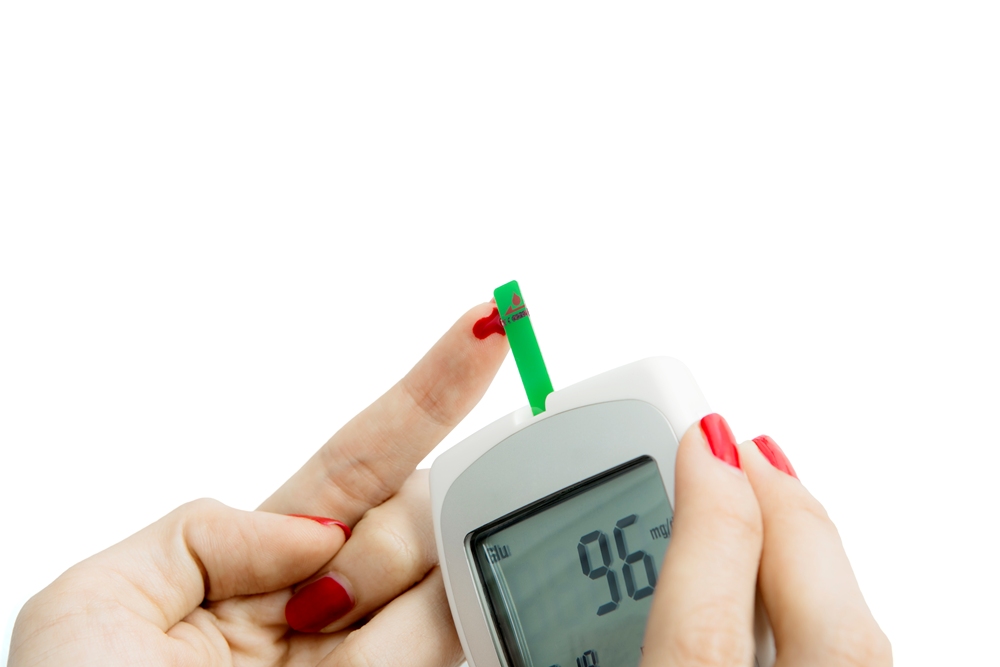
Sharp rises in blood sugar after meals may raise Alzheimer’s risk, according to genetic analysis of more than 350,000 adults.
The findings point to after-meal glucose, rather than overall blood sugar, as a possible factor in long-term brain health.
Researchers examined genetic and health data from over 350,000 UK Biobank participants aged 40 to 69, focusing on fasting glucose, insulin, and blood sugar measured two hours after eating.
The team used Mendelian randomisation, a genetic method that helps test whether biological traits may play a direct role in disease risk.
People with higher after-meal glucose had a 69 per cent higher risk of Alzheimer’s disease.
This pattern, known as postprandial hyperglycaemia (elevated blood sugar after eating), stood out as a key factor.
The increased risk was not explained by overall brain shrinkage (atrophy) or white matter damage, suggesting after-meal glucose may affect the brain through other pathways not yet fully understood.
Dr Andrew Mason, lead author, said: “This finding could help shape future prevention strategies, highlighting the importance of managing blood sugar not just overall, but specifically after meals.”
Dr Vicky Garfield, senior author, added: “We first need to replicate these results in other populations and ancestries to confirm the link and better understand the underlying biology.
“If validated, the study could pave the way for new approaches to reduce dementia risk in people with diabetes.”

Shingles vaccine may slow biological ageing in older adults

Thousands of men in England to be offered life-extending prostate cancer drug

Blood sugar spike after meals may increase Alzheimer’s risk

Study reveals why memory declines with age

Agetech research round-up: brain health vital, £38m to combat Alzheimers, and more…

FDA clears automated brain fluid device

Agetech World’s latest innovation & investment round-up

Insilico signs US$888m oncology deal with Servier

Food preservatives linked to increased diabetes and cancer risk, study finds

UK bans junk food ads before 9pm to protect child health
 News2 weeks ago
FDA clears automated brain fluid device
- News2 weeks ago
Agetech World’s latest innovation & investment round-up
- News2 weeks ago
Insilico signs US$888m oncology deal with Servier
- Markets & Industry2 weeks ago
Food preservatives linked to increased diabetes and cancer risk, study finds
- News2 weeks ago
UK bans junk food ads before 9pm to protect child health
- News1 week ago
Captioning glasses win AARP pitch at CES
- Insights2 weeks ago
Global longevity initiative launches North American chapter
- News6 days ago
Interview: GlycanAge launch first hospital-based tests