


Return to traditional lentil and rice diet could help curb diabetes in Nepal
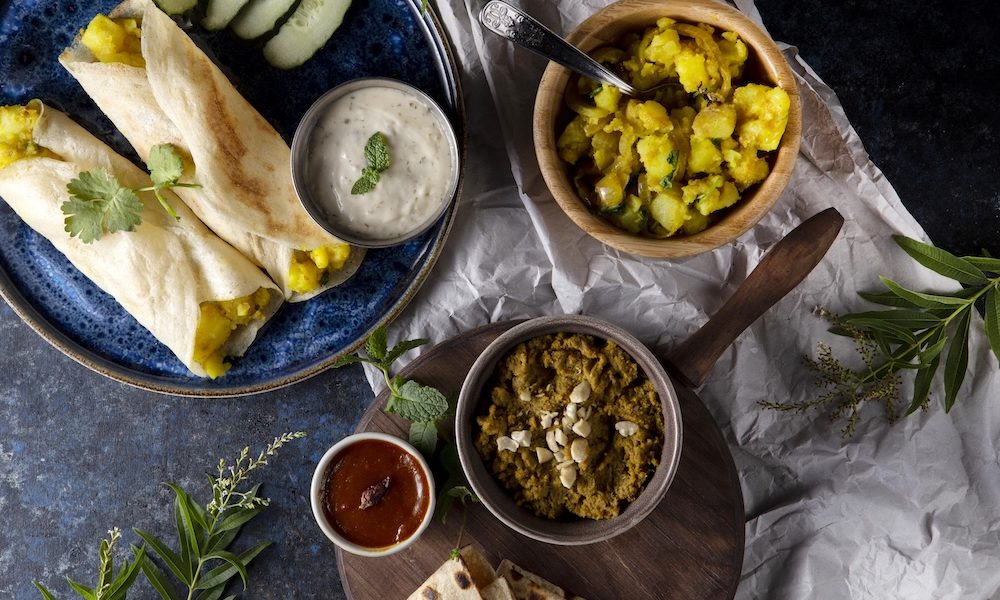
Traditional dal bhat could help curb Nepal’s diabetes crisis, with one in five people over 40 living with type 2 diabetes, researchers say.
With medication often unaffordable, researchers are testing whether cheap, local staples such as lentils and rice can help tackle type 2 diabetes, where blood sugar stays high because the body does not make enough insulin or cannot use it properly.
If poorly controlled, type 2 diabetes can lead to complications including kidney disease, limb loss, blindness and premature death.
Dr Ashish Tamang, a resident doctor based in Kathmandu said: “For many families, diabetes is not just a medical condition, but a long-term social and economic burden.”
A pilot study in Kathmandu involving 70 hospital patients with long-established diabetes put 43 per cent into remission after a calorie-controlled traditional diet.
An ongoing trial involving 120 people in villages and communities on the outskirts of cities has shown similar promise.
“It is very early days but around half are free from diabetes at four months, with an average weight loss of only 4 to 5kg,” said Prof Mike Lean, a diabetes and human nutrition expert from the University of Glasgow.
The work is being expanded in a four-year study led by the University of Glasgow in collaboration with Dhulikhel hospital in Nepal, which also aims to test whether the diet can prevent type 2 diabetes in people at high risk.
The approach builds on work by a UK team, including Lean, who showed in 2017 that weight-loss diets based on soups and shakes could reverse type 2 diabetes. That programme is now part of standard NHS diabetes care.
People from Asian backgrounds are genetically predisposed to type 2 diabetes, meaning they can develop the condition after gaining relatively small amounts of weight. But the same pattern means less weight loss may be needed to reverse it.
Lean said the weight loss needed in Nepal is around half that typically required in the UK, where patients often need to lose 10 to 15kg. ‘It makes the task a fair bit easier,’ he said.
Participants were asked to follow an 850-calorie-a-day plan for eight weeks, typically with yoghurt and fruit for breakfast and main meals of lentils and rice, known as dal bhat.
They then moved to a higher-calorie version of the same diet to help maintain the lower weight.
During screening camps, people found to have diabetes, or to be at high risk, were given a cup, measuring glass and weighing equipment alongside a diet plan to help them stick to portion sizes.
They were also invited to attend regular support group sessions.
The programme was designed to be delivered in communities without the need for doctors or hospitals, supported by the female volunteers who underpin Nepal’s health system.
Trial documents describe a plan that ‘stresses a disciplined (traditional) eating pattern, avoiding snacking and high-fat/sugar processed western-type foods’.
A 2025 study found 87 per cent of packaged foods sold in Kathmandu shops exceeded World Health Organization recommended thresholds for sugar, fat and salt.
Lean said the approach was ‘not rocket science’. But it was ‘way more effective than any drug or medicine, and traditional medicines that don’t do anything’.
He also encouraged participants to switch to brown rice rather than double-milled white rice, which contains fewer nutrients, including lower levels of vitamin B1, which helps the body process carbohydrates.
The expanded study initially won UK government funding but was affected by cuts.
The Howard Foundation has stepped in with £1.78m to keep it going, and the project will also create educational materials on the drivers of diabetes.
Lean blames soaring type 2 diabetes rates in Nepal on the importation of western junk foods.
He said he had spoken to Nepalis who ‘remember the first bicycle arriving in their village’, adding that the bike was carrying sweets and soft drinks, and that improved transport links later brought more junk food.
Lower activity levels linked to technology are also a driver, the study team said.
Lean said officials from neighbouring countries have expressed interest at conferences. ‘If this works in Nepal, it will work for us,’ he said they told him.


