News
Quick blood test paves the way for targeted heart attack treatment


Doctors may soon be able to identify people at a high risk of death following a suspected heart attack thanks to new research funded by the British Heart Foundation (BHF).
The study found that measuring levels of high sensitivity C-reactive protein (CRP) in the blood after a heart attack can identify those at risk of death within three years.
The test is already used to diagnose other conditions that emerge from inflammation in the bloodstream.
Those identified as high risk of death could be given a more aggressive treatment while those at lower risk could be sent home.
The collaboration between the National Heart and Lung Institute, Imperial College London and the National Institute for Health Research Health Informatics Collaborative (HIC) is the largest study of its kind.
Professor James Leiper, Associate Medical Director at BHF, said:
“Every 5 minutes, someone is admitted to a UK hospital with a heart attack, and it is estimated that there are 1.4 million people in the UK who have survived a heart attack.
“This test presents a valuable new tool in doctors’ arsenal to direct quick and effective care for the millions of heart attack patients.
“By better identifying which people are most at risk, this simple blood test could help to direct anti-inflammatory treatments to those who most need it.”
Currently, when doctors think a person had had a heart attack they test for the protein troponin which is released into the bloodstream when the heart is damaged.
But the researchers found that combining this test with a CRP test provides a much more detailed measure of risk.
The researchers used data from 250,000 patients who were admitted to hospital with a suspected heart attack.
The level of CRP in the blood is normally 2 mg/L or under.
However, the researchers found that a mildly raised measurement of 10-15 mg/L CRP in those with a positive troponin test predicted a greater than 35 per cent chance of death three years later.
Dr Ramzi Khamis, BHF Intermediate Clinical Research Fellow and consultant cardiologist at the National Heart and Lung Institute, Imperial College London said:
“Testing for this biological ‘red flag’ at the same time as other hospital tests identifies those more vulnerable patients who should be receiving closer medical attention.
“Importantly, we hope with more research, we can be successful in developing new therapies that specifically combat inflammation to improve outcomes in heart disease.”
Dr Amit Kaura, BHF Clinical Research Fellow and lead researcher for the NIHR HIC at Imperial College London added:
“This study shows that analysing large sets of real-world clinical data can cast light on patterns of disease and identify those at high risk of dying.
“We hope to use this knowledge to guide our clinical decision making in treating patients with suspected heart attacks.”



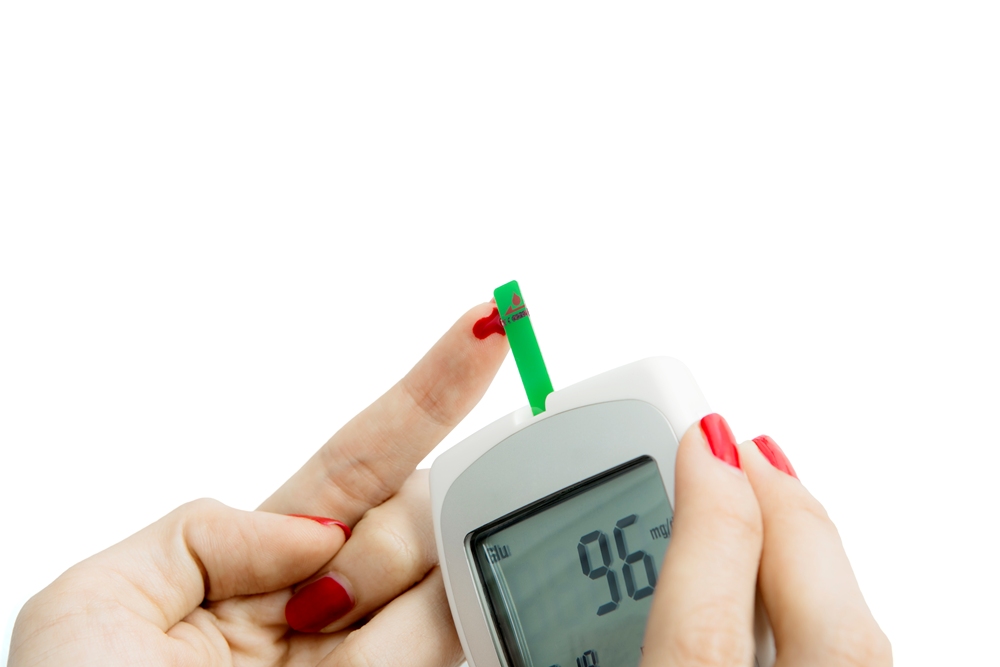
Sharp rises in blood sugar after meals may raise Alzheimer’s risk, according to genetic analysis of more than 350,000 adults.
The findings point to after-meal glucose, rather than overall blood sugar, as a possible factor in long-term brain health.
Researchers examined genetic and health data from over 350,000 UK Biobank participants aged 40 to 69, focusing on fasting glucose, insulin, and blood sugar measured two hours after eating.
The team used Mendelian randomisation, a genetic method that helps test whether biological traits may play a direct role in disease risk.
People with higher after-meal glucose had a 69 per cent higher risk of Alzheimer’s disease.
This pattern, known as postprandial hyperglycaemia (elevated blood sugar after eating), stood out as a key factor.
The increased risk was not explained by overall brain shrinkage (atrophy) or white matter damage, suggesting after-meal glucose may affect the brain through other pathways not yet fully understood.
Dr Andrew Mason, lead author, said: “This finding could help shape future prevention strategies, highlighting the importance of managing blood sugar not just overall, but specifically after meals.”
Dr Vicky Garfield, senior author, added: “We first need to replicate these results in other populations and ancestries to confirm the link and better understand the underlying biology.
“If validated, the study could pave the way for new approaches to reduce dementia risk in people with diabetes.”

Shingles vaccine may slow biological ageing in older adults

Thousands of men in England to be offered life-extending prostate cancer drug

Blood sugar spike after meals may increase Alzheimer’s risk

Study reveals why memory declines with age

Agetech research round-up: brain health vital, £38m to combat Alzheimers, and more…

FDA clears automated brain fluid device

Agetech World’s latest innovation & investment round-up

Insilico signs US$888m oncology deal with Servier

Food preservatives linked to increased diabetes and cancer risk, study finds

UK bans junk food ads before 9pm to protect child health
 News2 weeks ago
FDA clears automated brain fluid device
- News2 weeks ago
Agetech World’s latest innovation & investment round-up
- Technology2 weeks ago
Insilico signs US$888m oncology deal with Servier
- News2 weeks ago
Food preservatives linked to increased diabetes and cancer risk, study finds
- News2 weeks ago
UK bans junk food ads before 9pm to protect child health
- News1 week ago
Captioning glasses win AARP pitch at CES
- Insights2 weeks ago
Global longevity initiative launches North American chapter
- Technology6 days ago
Interview: GlycanAge launch first hospital-based tests