A new study from Yale University has revealed that pulmonary rehabilitation – an essential component of care for patients with chronic respiratory conditions – is difficult for millions of Americans to access.
The findings have pinpointed geographic regions where this type of care is most lacking, with researchers suggesting the use of telemedicine to bridge the gap.
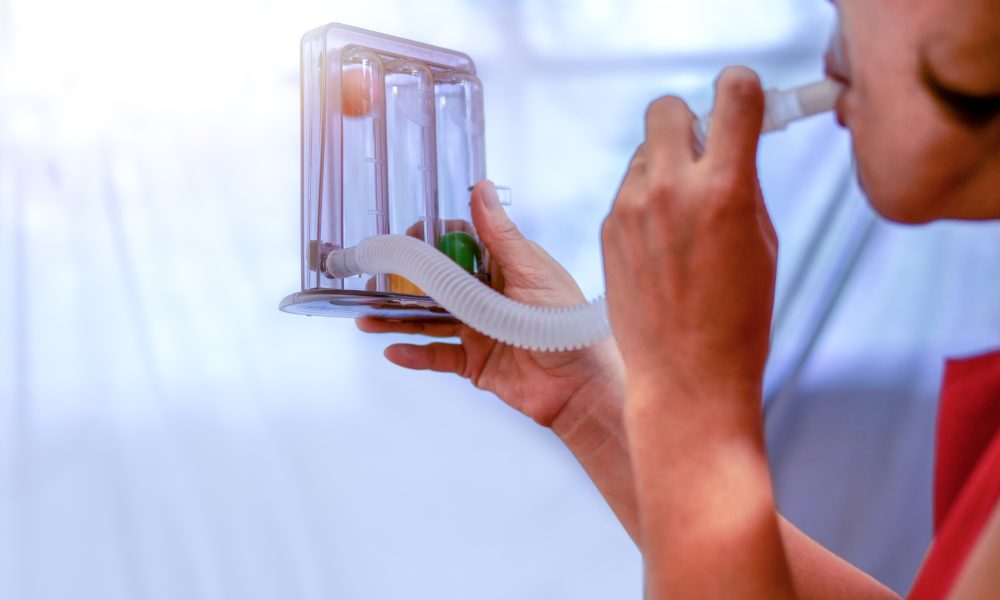
Pulmonary rehabilitation is a multidisciplinary programme incorporating exercise and strategic techniques to improve quality of life and overall health for patients with respiratory conditions like chronic obstructive pulmonary disease (COPD), interstitial lung disease, or pulmonary hypertension.
However, despite the demonstrated importance of critical pulmonary rehabilitation, many people in the United States must travel long distances to utilise these programmes.
Dr Peter Kahn, a pulmonary and critical care fellow at Yale School of Medicine and lead author of the study, commented: “It has been demonstrated across almost the entirety of pulmonary medicine to improve patient health and patient-reported outcomes.
“Through these programmes, patients not only gain a more comprehensive understanding of their condition, but also improve their exercise tolerance in a meaningful way.”
Mapping out access
For the study, researchers used massive geographic data sets and computational infrastructure to compute hundreds of millions of travel times.
The findings revealed that while around 80% of Americans live within a 30-minute drive of a pulmonary rehabilitation programme, over 14 million people mostly living in the country’s western and mid-western regions travel more than an hour away for access to their nearest offering.
Dr Walter Mathis, a psychiatrist and health services researcher at Yale School of Medicine, stated: “Technologies enabling travel time computations at a massive scale are not just innovative but transformative, providing us with nuanced insights into national data sets previously unavailable to researchers.”
The findings also showed racial disparities in access to pulmonary rehabilitation. For example, nearly 30% of the American Indian and Alaska Native population lives more than an hour away from the closest programme.
“Access to programmes within a reasonable amount of travel time is key,” said Kahn.
“First, many patients with chronic respiratory conditions require oxygen supplementation. Long commutes may mean they have to transport multiple oxygen tanks or battery supplies, which may cause patients to forgo the treatment.
“Second, because exertional intolerance is a symptom of these diseases, long travel can be incredibly taxing and also serve as a barrier to participation.”
Utilising telemedicine
In light of the findings, the researchers have suggested that telemedicine and virtual rehabilitation can help bridge this need gap in the short term, but emphasise that the long-term effectiveness of this approach across different diseases still needs additional evaluation.
Long term solutions will require more accessible in-person rehabilitation options, which will require collaboration between policy makers and health care providers and different approaches to insurance reimbursement, the researchers say.
Khan added: “Insurance payers, both government and private, do not sufficiently reimburse pulmonary rehabilitation programmes for the people, equipment, and supplies needed to effectively run them.
“If you’re someone with a chronic respiratory condition like advanced COPD, you really need ongoing therapeutic sessions. But right now, payers limit patients to a small number of lifetime sessions relative to the long-term burden of the disease. And that needs to change.”