News
One in five unaware of diabetes risk factors


Nearly a fifth of UK adults can’t name a single risk factor for type 2 diabetes, and 68 per cent have never considered their personal risk.
The survey found that 19 per cent of respondents could not identify any risk factors for type 2 diabetes, while 20 per cent were unable to name a single sign or symptom of the condition.
One in five adults in the UK currently lives with either diabetes or prediabetes – where blood sugar is higher than normal but not yet at diabetic levels.
The research, carried out by Tesco in partnership with Diabetes UK, also showed that more than a third (35 per cent) of people without diabetes or prediabetes are concerned about developing type 2 diabetes in future.
The main barriers to healthier eating were the cost of healthy food (30 per cent) and a lack of time to prepare meals (22 per cent).
Around half of all type 2 diabetes cases can be prevented or delayed through changes in lifestyle.
In some cases, the condition can go into remission, meaning blood sugar levels return to a healthy range without medication.
Jonathan Bridgett, Tesco pharmacy services manager, said: “We are committed to making a positive impact on the health and wellbeing of all our customers.
“By continuing to work in partnership with Diabetes UK, we hope to provide the resources and support to help people understand and manage their risk of type 2 diabetes, as well as those living with any type of diabetes, this summer and beyond, with our trained colleagues in more than 300 in-store pharmacies,” said
Douglas Twenefour, head of clinical at Diabetes UK, added: “With 1 in 5 UK adults now living with diabetes or prediabetes, knowing your risk has never been more important.
Type 2 diabetes is a complex condition with many risk factors, but with the right support, it’s possible to lower your risk and, for those with the condition, it’s possible to live well.
“We are delighted to continue our partnership with Tesco to raise awareness and provide practical tools that can make a real difference in people’s lives.”
Figures show that 4.6 million people in the UK have been diagnosed with diabetes.
Of these, nearly 90 per cent (4.1 million) have type 2.
An additional 1.3 million are thought to have undiagnosed type 2 diabetes, and a further 6.3 million are estimated to have prediabetes.










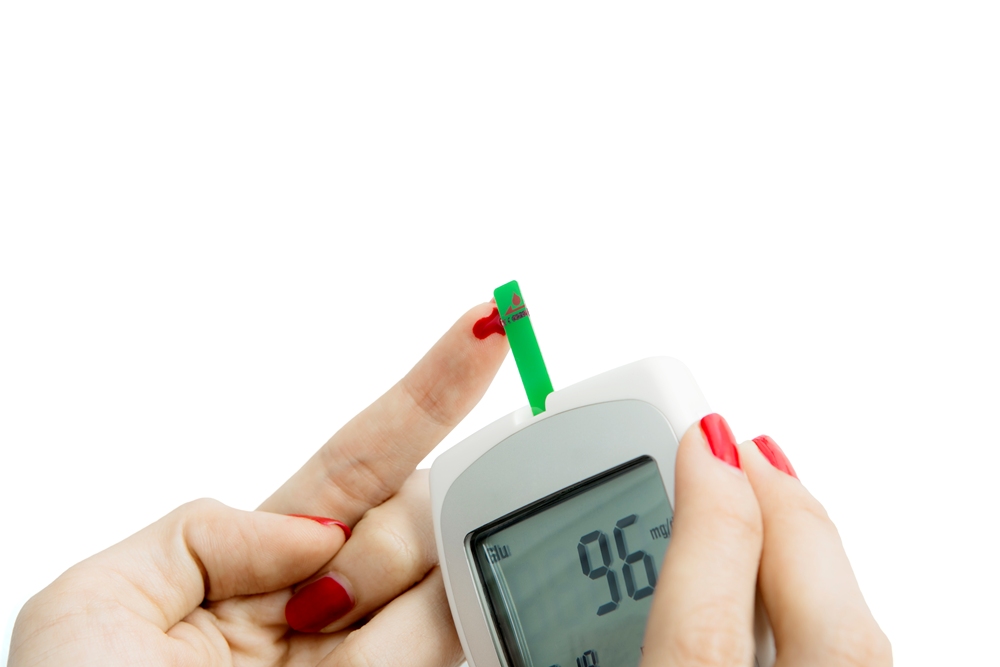
Sharp rises in blood sugar after meals may raise Alzheimer’s risk, according to genetic analysis of more than 350,000 adults.
The findings point to after-meal glucose, rather than overall blood sugar, as a possible factor in long-term brain health.
Researchers examined genetic and health data from over 350,000 UK Biobank participants aged 40 to 69, focusing on fasting glucose, insulin, and blood sugar measured two hours after eating.
The team used Mendelian randomisation, a genetic method that helps test whether biological traits may play a direct role in disease risk.
People with higher after-meal glucose had a 69 per cent higher risk of Alzheimer’s disease.
This pattern, known as postprandial hyperglycaemia (elevated blood sugar after eating), stood out as a key factor.
The increased risk was not explained by overall brain shrinkage (atrophy) or white matter damage, suggesting after-meal glucose may affect the brain through other pathways not yet fully understood.
Dr Andrew Mason, lead author, said: “This finding could help shape future prevention strategies, highlighting the importance of managing blood sugar not just overall, but specifically after meals.”
Dr Vicky Garfield, senior author, added: “We first need to replicate these results in other populations and ancestries to confirm the link and better understand the underlying biology.
“If validated, the study could pave the way for new approaches to reduce dementia risk in people with diabetes.”

Shingles vaccine may slow biological ageing in older adults

Thousands of men in England to be offered life-extending prostate cancer drug

Blood sugar spike after meals may increase Alzheimer’s risk

Study reveals why memory declines with age

Agetech research round-up: brain health vital, £38m to combat Alzheimers, and more…

FDA clears automated brain fluid device

Agetech World’s latest innovation & investment round-up

Insilico signs US$888m oncology deal with Servier

Food preservatives linked to increased diabetes and cancer risk, study finds

UK bans junk food ads before 9pm to protect child health
 News2 weeks ago
FDA clears automated brain fluid device
- News2 weeks ago
Agetech World’s latest innovation & investment round-up
- Technology2 weeks ago
Insilico signs US$888m oncology deal with Servier
- News2 weeks ago
Food preservatives linked to increased diabetes and cancer risk, study finds
- News2 weeks ago
UK bans junk food ads before 9pm to protect child health
- News1 week ago
Captioning glasses win AARP pitch at CES
- Insights2 weeks ago
Global longevity initiative launches North American chapter
- News6 days ago
Interview: GlycanAge launch first hospital-based tests